



VW Takes Aim at U.S. Midsize Car Leaders Toyota, Honda

When Volkswagen AG set out in 2007 to become the world's leading automaker, it targeted Toyota Motor Corp. VW executives benchmarked the Japanese giant and even characterized a car they were developing for the American market as their "Camry-fighter," after Toyota's bestselling sedan.
Volkswagen is preparing now to roll out the all-new, as-yet-unnamed, midsize car Monday at the Detroit auto show, taking on Toyota and ratcheting up the pressure in the biggest segment of the U.S. auto market, reported The Detroit News.
"It's already a very crowded market with the Japanese and domestics going at it, and now you're going to have Europeans, too," said Jesse Toprak, vice president of industry trends at TrueCar.com in Santa Monica, Calif.
Sales in the midsize car segment totaled 2.9 million cars last year, accounting for a fourth of the U.S. auto market.
Volkswagen is banking on the new model to help the company reach an ambitious goal: triple its U.S. sales by 2018.
"Success in this market is critical to Volkswagen's global growth strategy," Jonathan Browning, president of Volkswagen Group of America, said recently.
"The Volkswagen Group is already first in Europe, first in China and second in Brazil in the passenger car market, but we cannot truly rise to the top globally without significantly improving our performance in the United States."
But Volkswagen is likely to meet fierce resistance in the American midsize car market. The longtime leaders, Toyota and Honda Motor Co., assign their best talents to the Camry and Accord cars. Ford Motor Co. has a strong contender in the smartly equipped Fusion, while General Motors Co. has produced a stylish, vastly improved Chevrolet Malibu.
South Korea's Hyundai Motor Co. is grabbing a bigger share of the segment after a radical redesign of its Sonata sedan, and Nissan Motor Co.'s latest Altima is a stunning vehicle.
Toyota, buffeted during the past year by record recalls, is expected to fight hard to keep the Camry on top when it launches the seventh-generation model this summer.
"The midsize car segment is going to be a real dogfight," said Michael Robinet, an analyst at IHS Automotive in Northville.
"Toyota already is quite strong in compact and midsize cars. The real risk is a more aggressive Volkswagen. Someone's going to have to make room for them."
The Wolfsburg, Germany-based automaker has a lot riding on the new car. VW has invested $5 billion in North America, building a $1 billion plant in Chattanooga, Tenn., to produce the midsize car at a competitive cost.
Analysts say the trouble with VW's current midsize offerings, the attractive Passat and newer CC, is their cost. "The math didn't work," Toprak said.
Volkswagen says its new car will start at around $20,000, about $7,000 below the starting price of the European-made Passat and more in line with Camry and Accord prices, which range from $20,000 to $30,000.
Volkswagen recently launched an all-new VW Jetta compact, designed specifically for American customers and built in Mexico. It will roll out a redesigned, less bubbly Beetle this fall, but it expects the midsize car to generate the greatest sales growth.
The company's objective is to increase its U.S. sales — 360,700 cars and light trucks in 2010 — to 1 million vehicles by 2018, including Audi, Bentley, Lamborghini and Bugatti. The target for VW-brand sales alone is 800,000 vehicles in 2018, up from 257,000 last year.
"If they're going to get anywhere near that goal, that midsize sedan is very important," Toprak said.
But as good as the car may be, some analysts question how the Volkswagen brand can go from fewer than 260,000 vehicle sales annually in the United States to 800,000 in eight years.
"I think they're dreaming," said Michelle Krebs, an analyst with automotive research firm Edmunds.com. "Look how successful Hyundai's been, and they're not even close to that."
Hyundai, one of the fastest growing brands in recent years, increased its U.S. sales 23.7 percent in 2010 to 538,228 vehicles.
Volkswagen also faces skepticism from brand enthusiasts unsettled by the company's strategy to develop and sell cars specifically for Americans that would be different from the models sold in Europe.
"The risk is that it can lead to blandness," Krebs said.
Volkswagen executives insist the cars will be true Volkswagens, just tailored for American tastes.
"To be truly successful on a global scale, you have to deliver consistency across markets, while also responding to unique aspects of individual markets," Browning said.
"Volkswagen's global success suggests we are increasingly getting the balance right."
More Industry

Penske Auto Group Deal a Record
The deal to take the dealership and transportation services company private sets a new pace for industry buy-sell transactions.
Read More →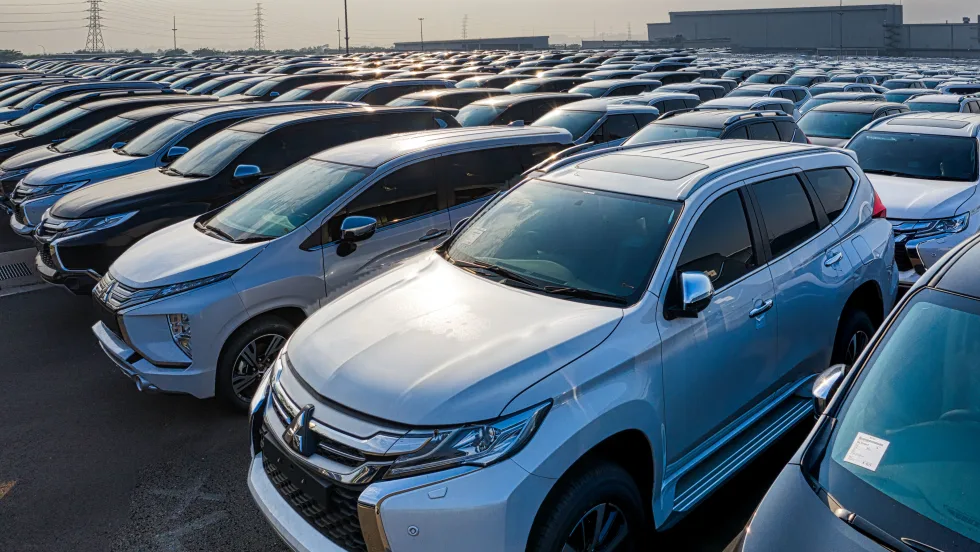
War Toll a Damper on Used Auto Prices
Cox Automotive found wholesale depreciation to be elevated in September amid high fuel prices and this year's unusual hurricane season.
Read More →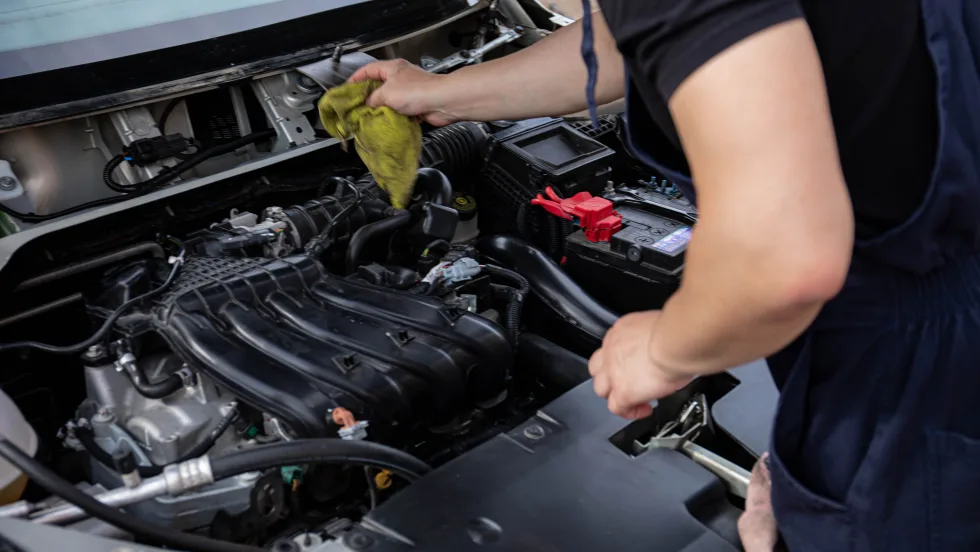
Bridge the Maintenance Gap
With many drivers missing recommended maintenance, service departments offering transparency and efficiency have a better chance of reaching financially strained consumers.
Read More →
California Store Has New Owner
The longtime dealership in the northern part of the state is known for robust fleet sales and has served the state capital for 115 years.
Read More →
BMW Plant Pursues Cleaner Energy
BMW Group Plant Leipzig has utilized hydrogen to help power its production since 2013, but a new pipeline is planned to take it to another level.
Read More →
Auto Affordability Inches Up
The latest Cox Automotive and Moody’s Analytics index shows a slight increase in new-vehicle affordability despite high prices.
Read More →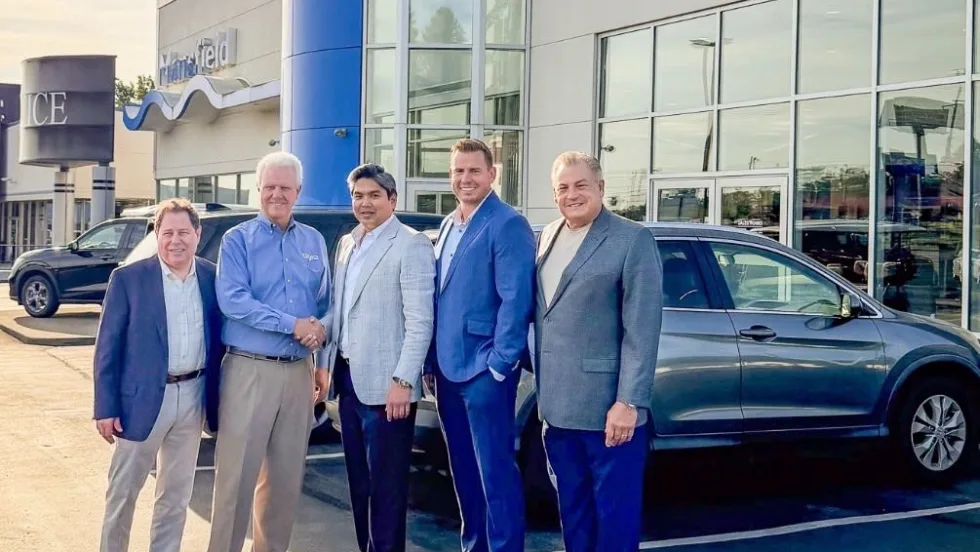
Ohio Auto Group Under New Ownership
After 79 years with the Schluter family, Mansfield Auto Group has been acquired by Missouri-based Clement Auto Group.
Read More →
RV Group Expands Carolina Footprint
Blue Compass RV Columbia Northeast is the 13th RV dealership owned by Blue Compass in the Carolinas.
Read More →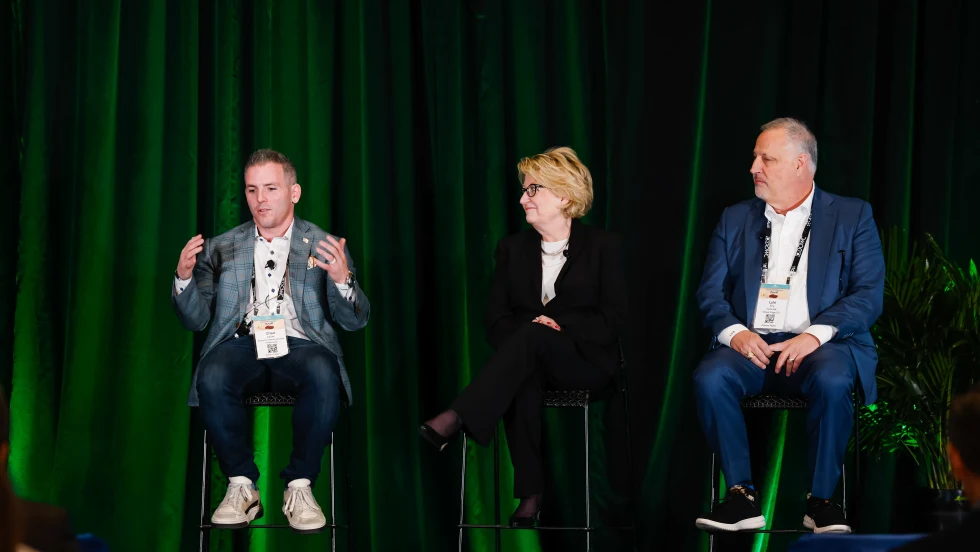
Agent Acumen
An Agent Summit panel of people who’ve been supporting auto dealers for years gave both timely and timeless advice for those starting out or mulling the prospect.
Read More →
Missed Maintenance Creates Opportunity
As families get back on the road and into daily school routines, service drives have an opportunity to capture customers who are behind on recommended vehicle maintenance.
Read More →