



VIN-Specific EV Battery Health Solution Deployed
Cox Automotive debuts technology across Manheim locations for dealers and fleets.

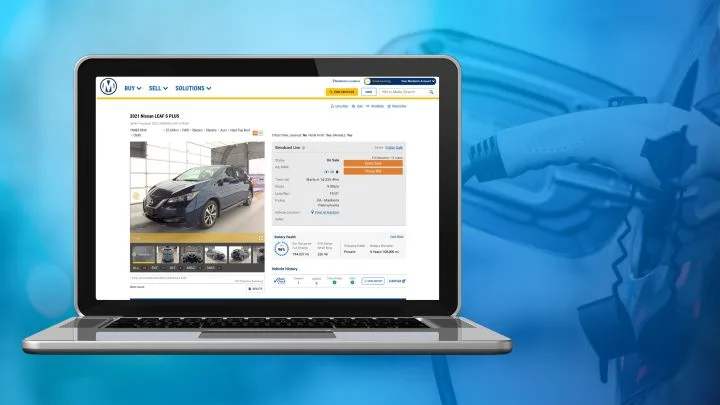
Cox Automotive firmly believes that VIN-specific battery state of health will be the new standard in the industry.
IMAGE: Cox Automotive
Cox Automotive introduced a used-car industry solution to measure the electric-vehicle battery health for each specific vehicle identification number across Manheim and is expanding LotVision’s capabilities of reporting battery health for each unique vehicle. It said both enhancements give wholesale buyers and sellers information they need to make more informed and confident decisions.
Cox Automotive’s VIN-specific solution, developed by its EV Battery Solutions team, uses Manheim’s LotVision technology to quickly assess the battery in each vehicle and automatically transmit in-depth battery health information to condition reports and vehicle detail pages on manheim.com. Created in partnership with Cox2M, the commercial internet-of-things business line within Cox Communications, LotVision is a wireless tracking device placed in a vehicle that helps dealers, transporters and team members locate vehicles on Manheim lots to within 10 feet.
Cox’s decade-long history of assessing EV battery state of health has shown that while most used EV batteries are relatively healthy, the outliers tend to be significantly degraded, highlighting the importance of measuring each vehicle.
“EV battery health scores that are based on make/model averages are just that … average,” said Cox Automotive President Steve Rowley, president. “That’s why we continue to invest in innovations that help our clients make important decisions affecting their businesses.”
Importance of VIN-Specific Measurement
Cox Automotive firmly believes that VIN-specific battery state of health will be the new standard in the industry.
“At Manheim, we have more experience than anyone in driving confidence in the wholesale marketplace—and one thing we know for sure is that nobody likes surprises,” said Grace Huang, president of Cox Automotive Inventory Solutions. “With this innovative new use of LotVision, we’re giving clients exactly what they need: the most detailed information possible on each individual EV so they can make informed buying and selling decisions. Ultimately, transparency drives confidence in the wholesale marketplace, and that’s why we have been—and will continue to be—committed to giving our clients VIN-specific battery health information.”
How it Works
To quickly measure battery health on each vehicle, Manheim is leveraging LotVision devices—which are already in use across all 76 locations in the U.S. First used for geolocating vehicles on its lots, the devices are installed in all vehicles with an OBD II port at check-in.
Now with a simple firmware update, the devices can be used to capture EV battery health information in minutes—and can transmit that information automatically to Manheim CRs and VDPs, where battery health information will be prominently displayed when the listing goes live on Manheim.com. Information to be displayed will include a battery health score between 0 and 100% that represents the remaining battery capacity captured directly from the vehicle, alongside detailed vehicle-specific information that aims to empower buyers in making informed decisions, like warranty information, battery chemistry, charging cable presence and more.
As a bonus, since the LotVision devices remain installed while a vehicle is on a Manheim lot, they will also report on each vehicle’s current state of charge.
Manheim has been preparing for the influx of EVs into the wholesale marketplace. Since 2019, it has invested more than $200 million in EV infrastructure and process improvements. Manheim now offers sellers more than 800 EV chargers, safe storage and access to more than 850 trained technicians who can safely handle, service and dispose of EV batteries. In 2023, approximately 48,000 EVs were sold in the Manheim Marketplace, a 58% increase year-over-year. The company expects that number to double in 2024 and continue increasing in the coming years. In April, clients will begin seeing the expanded battery health information on Manheim CRs and VDPs across most makes and models.
Originally posted on Auto Dealer Today
More Industry
Nebraska Rooftop Changes Hands
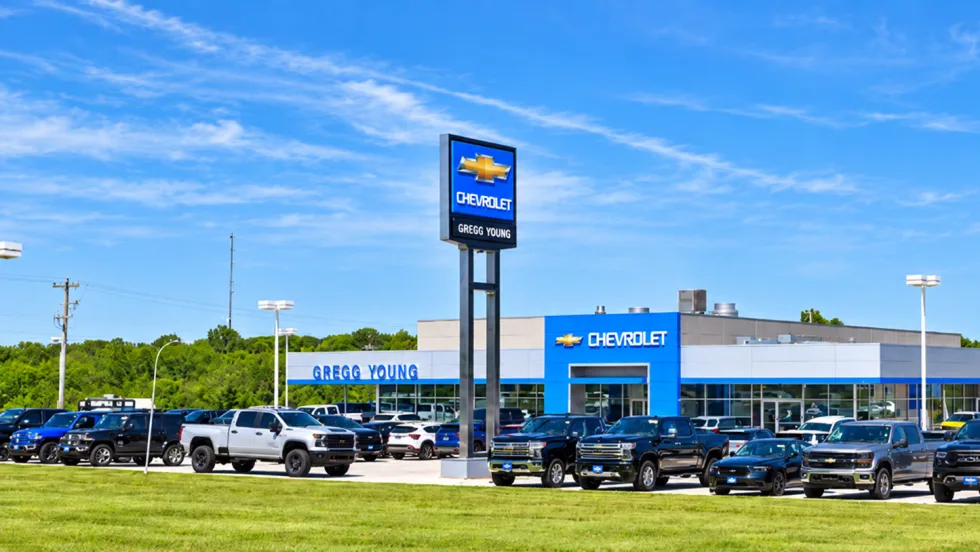
The Gregg Young Automotive Group has sold its second dealership to Janssen Auto Group, both in Plattsmouth, Neb.
Read More →
Penske Auto Group Deal a Record
The deal to take the dealership and transportation services company private sets a new pace for industry buy-sell transactions.
Read More →
War Toll a Damper on Used Auto Prices
Cox Automotive found wholesale depreciation to be elevated in September amid high fuel prices and this year's unusual hurricane season.
Read More →
Bridge the Maintenance Gap
With many drivers missing recommended maintenance, service departments offering transparency and efficiency have a better chance of reaching financially strained consumers.
Read More →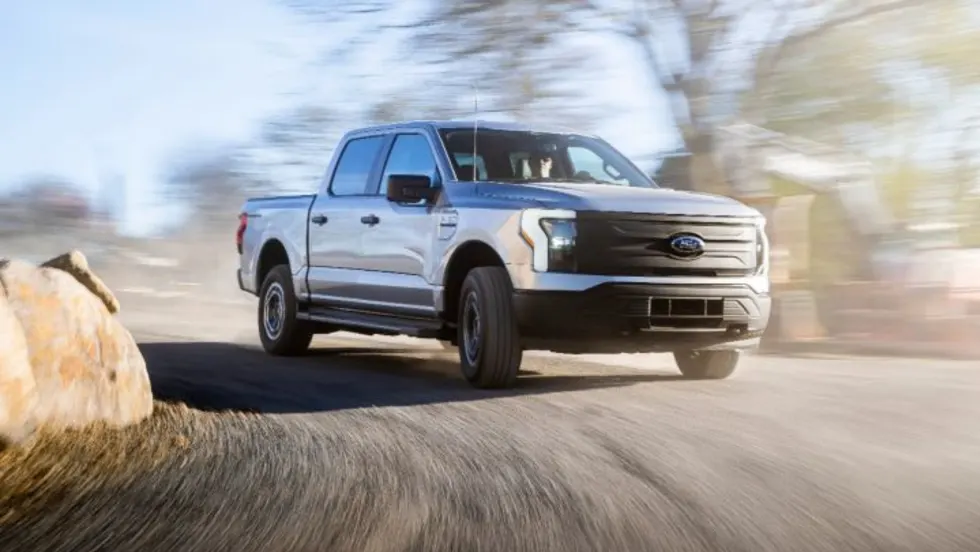
California Store Has New Owner
The longtime dealership in the northern part of the state is known for robust fleet sales and has served the state capital for 115 years.
Read More →
BMW Plant Pursues Cleaner Energy
BMW Group Plant Leipzig has utilized hydrogen to help power its production since 2013, but a new pipeline is planned to take it to another level.
Read More →
Auto Affordability Inches Up
The latest Cox Automotive and Moody’s Analytics index shows a slight increase in new-vehicle affordability despite high prices.
Read More →
Ohio Auto Group Under New Ownership
After 79 years with the Schluter family, Mansfield Auto Group has been acquired by Missouri-based Clement Auto Group.
Read More →
RV Group Expands Carolina Footprint
Blue Compass RV Columbia Northeast is the 13th RV dealership owned by Blue Compass in the Carolinas.
Read More →
Agent Acumen
An Agent Summit panel of people who’ve been supporting auto dealers for years gave both timely and timeless advice for those starting out or mulling the prospect.
Read More →