



Vehicle Sales to Post 5-Year High
Various conditions combined to pull consumers from the sidelines.

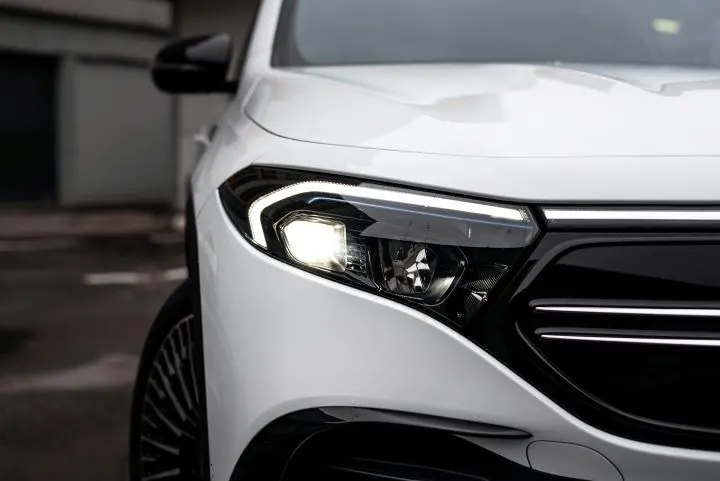
Cox predicts 2025 sales to grow by about 3%.
Pexels/Vadutskevich
Defying the odds of inflated prices for cars and many other commodities, along with high interest rates, U.S. new-vehicle sales are on track for their best year since before the pandemic.
Cox Automotive’s Kelley Blue Book estimates a 2% year-over-year sales increase to 15.9 million units, slightly exceeding the 15.7 million it projected as the year started.
Replenished inventory paired with generous incentives coaxed more consumers to trade, as pent-up demand met improved conditions, which also included a series of interest rate cuts this fall, the first in four years. Political certainty following the November election added to a late-year buying surge.
Cox forecasts the December sales pace alone to be up more than half a million units year-over-year to about 16.5 million units.
“Many buyers who thought it best to wait to get the best deal are realizing that now is the time to buy before new administration policy changes are implemented,” said Cox Senior Economist Charlie Chesbrough in a press release.
He pointed out that the incoming Trump administration has targeted elimination of federal electric-vehicle tax credits and plans to impose stiff tariffs on trade with China, both factors many consumers see as the makings for higher vehicle prices.
Cox estimates EV sales, aided by the jump in consumers taking advantage of the tax credits, will set a record for the year at about 1.3 million units, though EV market leader Tesla’s sales are expected to be down for the first time since 2014.
Among brands benefiting from the sales surge, General Motors is coming out the biggest winner, according to Cox. The Detroit automaker hung on to the top sales position this year with a projected 2.7 million units sold, up 4% year-over-year.
Cox said all major automakers enjoyed sales gains except Stellantis and Tesla, though it said Honda increased its market share by half a point on 20%-plus sales gains on its lowest priced models.
Looking to next year, Cox predicts new-vehicle sales to grow about 3%.
Originally posted on Auto Dealer Today
More Industry
Nebraska Rooftop Changes Hands
The Gregg Young Automotive Group has sold its second dealership to Janssen Auto Group, both in Plattsmouth, Neb.
Read More →
Penske Auto Group Deal a Record
The deal to take the dealership and transportation services company private sets a new pace for industry buy-sell transactions.
Read More →
War Toll a Damper on Used Auto Prices
Cox Automotive found wholesale depreciation to be elevated in September amid high fuel prices and this year's unusual hurricane season.
Read More →
Bridge the Maintenance Gap
With many drivers missing recommended maintenance, service departments offering transparency and efficiency have a better chance of reaching financially strained consumers.
Read More →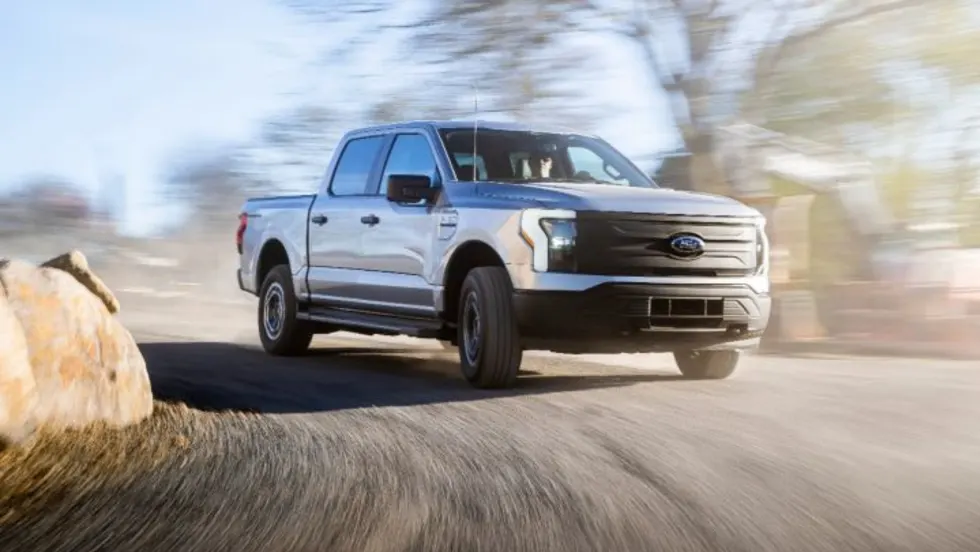
California Store Has New Owner
The longtime dealership in the northern part of the state is known for robust fleet sales and has served the state capital for 115 years.
Read More →
BMW Plant Pursues Cleaner Energy
BMW Group Plant Leipzig has utilized hydrogen to help power its production since 2013, but a new pipeline is planned to take it to another level.
Read More →
Auto Affordability Inches Up
The latest Cox Automotive and Moody’s Analytics index shows a slight increase in new-vehicle affordability despite high prices.
Read More →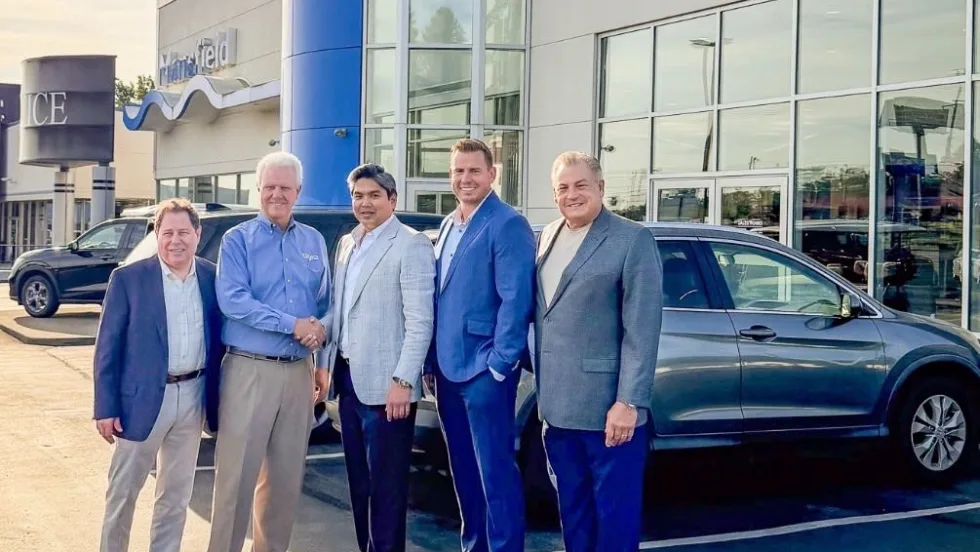
Ohio Auto Group Under New Ownership
After 79 years with the Schluter family, Mansfield Auto Group has been acquired by Missouri-based Clement Auto Group.
Read More →
RV Group Expands Carolina Footprint
Blue Compass RV Columbia Northeast is the 13th RV dealership owned by Blue Compass in the Carolinas.
Read More →
Agent Acumen
An Agent Summit panel of people who’ve been supporting auto dealers for years gave both timely and timeless advice for those starting out or mulling the prospect.
Read More →