



U.S., South Korea Agree on Automotive Terms in Free-Trade Deal

WASHINGTON - The United States and South Korea reached an agreement to change automobile provisions in a pending trade deal, winning support from Ford Motor Co. and lawmakers.
Under the terms of the reworked deal, the United States will end its 2.5 percent tariff on automobiles in five years, instead of immediately or after three years as was previously agreed, reported Bloomberg. Korea will cut its 8 percent tariff on U.S. automobile imports to 4 percent immediately, instead of eliminating it entirely, according to a White House fact sheet.
The United States will also keep its 25 percent tariff on truck imports for eight years instead of beginning to phase it out immediately. And South Korea said it would allow more imports of U.S.-made vehicles that meet American standards and not Korean rules.
“These new provisions provide Ford greater confidence that we will be able to better serve our Korean customers,” Ford CEO Alan Mulally said in an e-mailed statement.
With almost $68 billion in trade between the nations, a deal would be the largest for the United States since the North American Free Trade Agreement in 1994 and would help President Obama meet his goal of doubling American exports in five years.
Obama and South Korea President Lee Myung Bak failed to seal a deal during a summit in Seoul last month, and trade negotiators from both nations spent this week in Columbia, Md., seeking to resolve differences. The agreement will need to be approved by Congress before it goes into effect.
“This was the only way to reverse the historic, lopsided pattern of one-way trade with South Korea,” Michigan Democrat Sander Levin, chairman of the House Ways and Means Committee and a critic of the earlier accord, said in a statement. “I support today's agreement.”
The two sides didn't announce any changes on beef trade, and it wasn't clear how that would affect prospects for the accord in the Senate. Finance Committee Chairman Max Baucus had demanded that Korea drop restrictions on imports of U.S. beef from older cattle.
More Industry
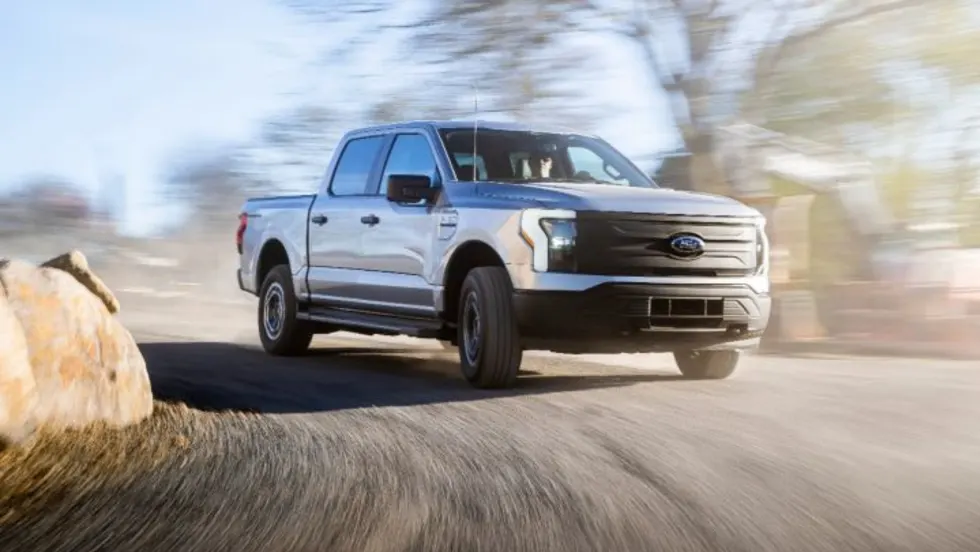
California Store Has New Owner
The longtime dealership in the northern part of the state is known for robust fleet sales and has served the state capital for 115 years.
Read More →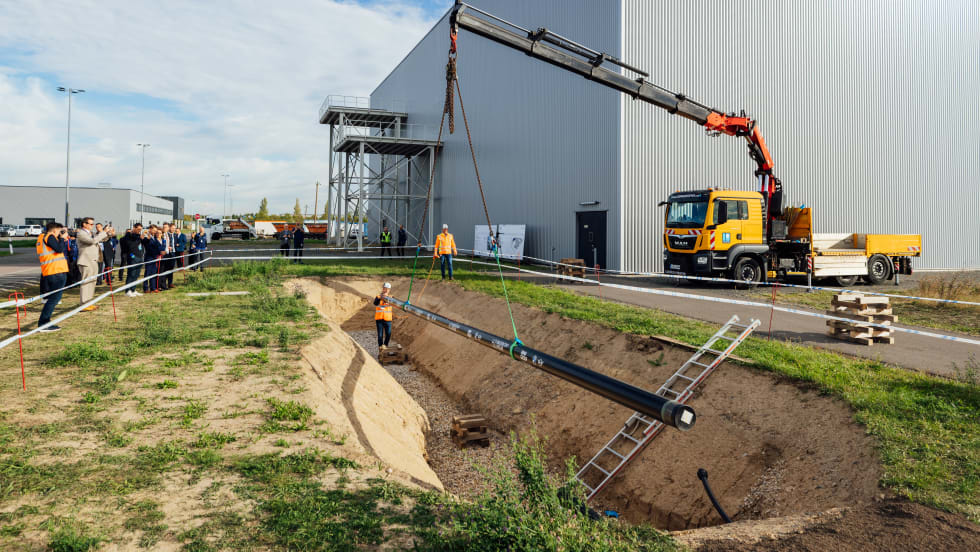
BMW Plant Pursues Cleaner Energy
BMW Group Plant Leipzig has utilized hydrogen to help power its production since 2013, but a new pipeline is planned to take it to another level.
Read More →
Auto Affordability Inches Up
The latest Cox Automotive and Moody’s Analytics index shows a slight increase in new-vehicle affordability despite high prices.
Read More →
Ohio Auto Group Under New Ownership
After 79 years with the Schluter family, Mansfield Auto Group has been acquired by Missouri-based Clement Auto Group.
Read More →
RV Group Expands Carolina Footprint
Blue Compass RV Columbia Northeast is the 13th RV dealership owned by Blue Compass in the Carolinas.
Read More →
Agent Acumen
An Agent Summit panel of people who’ve been supporting auto dealers for years gave both timely and timeless advice for those starting out or mulling the prospect.
Read More →
Missed Maintenance Creates Opportunity
As families get back on the road and into daily school routines, service drives have an opportunity to capture customers who are behind on recommended vehicle maintenance.
Read More →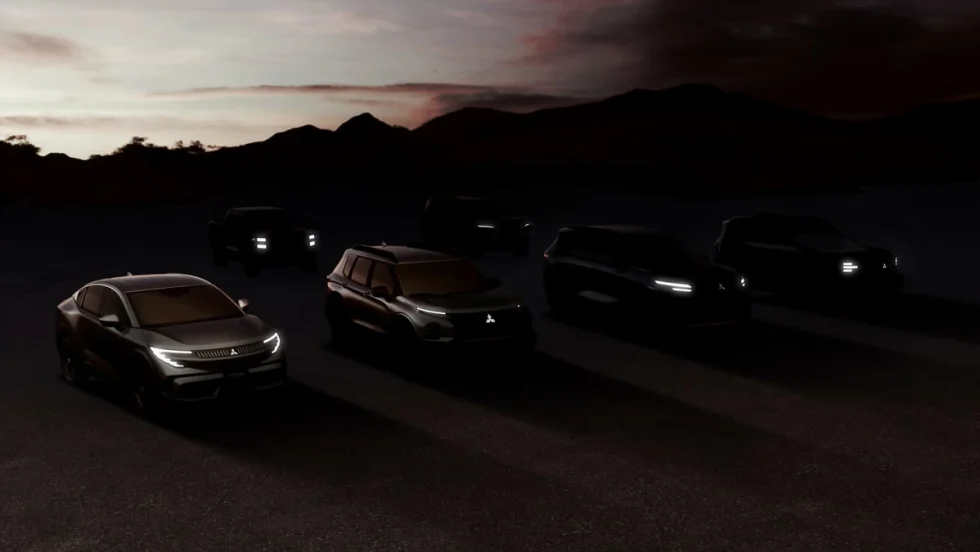
Mitsubishi Unveils U.S. Plan
The automaker announced a strategy that includes an expanded lineup and dealership presence, along with more ‘rugged’ and electric models.
Read More →
Selling to Grow
The question of whether you should sell your agency and if so, when, is up to you. But it’s a question worth asking to ensure you keep the business on the right path for yourself, employees and clients.
Read More →
Recalled Vehicles Hit 5-Year High
Though the number of events has fallen so far this year, impacted units are up significantly. Meanwhile, regulators consider consumer notification changes.
Read More →