



U.S.-Korean Trade Pact is a Winner For Both Nations, Obama Says

President Barack Obama is touting a free-trade agreement between the United States and South Korea that includes new provisions for automobile imports.
Friday's agreement has the United States ending its 2.5 percent tariff on Korean cars in five years, instead of immediately or after three years as was previously agreed. In return, South Korea will cut its 8 percent tariff on U.S. cars to 4 percent immediately, instead of dropping the tariff altogether, according to a White House fact sheet.
In what is good news for American automakers, U.S. tariffs on Korean trucks will remain at 25 percent for eight years instead of dropping off immediately. Additionally, each year Ford Motor Co., General Motors Co. and Chrysler Group would be able to send to South Korea 25,000 cars that meet U.S. safety standards. These vehicles would be exempt from in-country standards, reported Automotive News.
Obama said the agreement is a “win-win for both our countries.” The president said the accord will support a level playing field, boost U.S. exports by as much as $11 billion and support at least 70,000 U.S. jobs.
The two countries signed a trade pact in 2007, but the deal was never ratified because of concerns over the U.S. auto and beef industries. Restarting the stalled agreement would create the largest U.S. deal since the North American Free Trade Agreement with Canada and Mexico in 1994, Bloomberg reports. The two countries have more than $68 billion moving between each other.
Last month, Obama and South Korean President Lee Myung Bak couldn't reach a deal during a Seoul summit. Last week, representatives from both countries met in Columbia, Md., to work toward an agreement.
Domestic automakers control around 80 percent of the South Korean market, with Japan taking a sizable chunk of the import market. U.S. market share there has dipped to just 10 percent, industry data suggest.
The U.S. Congress and the South Korean Parliament will need to approve the free-trade pact before it can go into effect. There is no word whether changes will be made to U.S. beef provisions.
More Industry

Penske Auto Group Deal a Record
The deal to take the dealership and transportation services company private sets a new pace for industry buy-sell transactions.
Read More →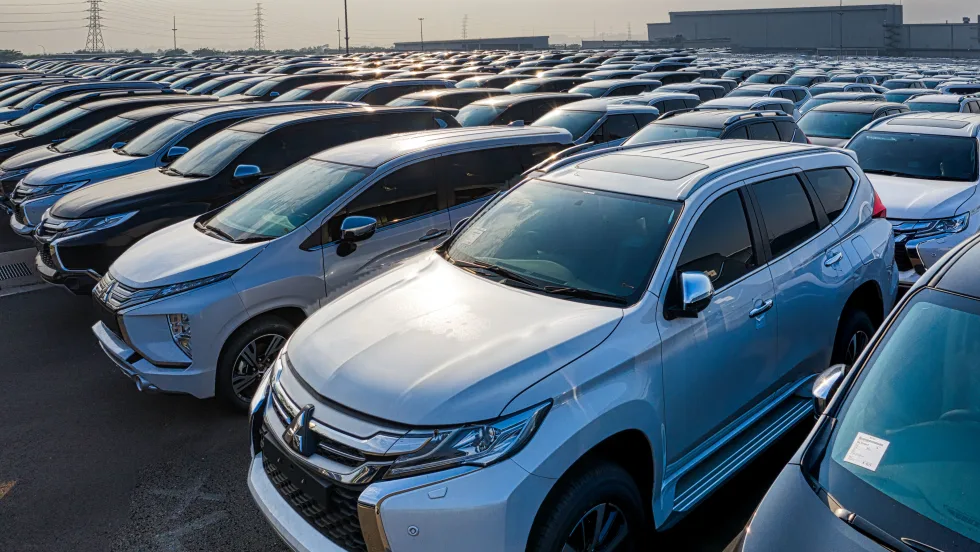
War Toll a Damper on Used Auto Prices
Cox Automotive found wholesale depreciation to be elevated in September amid high fuel prices and this year's unusual hurricane season.
Read More →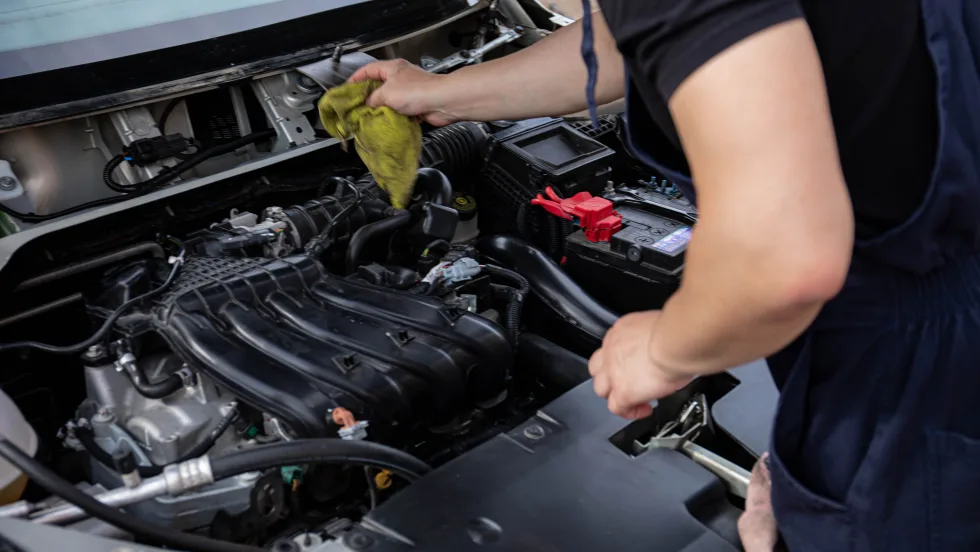
Bridge the Maintenance Gap
With many drivers missing recommended maintenance, service departments offering transparency and efficiency have a better chance of reaching financially strained consumers.
Read More →
California Store Has New Owner
The longtime dealership in the northern part of the state is known for robust fleet sales and has served the state capital for 115 years.
Read More →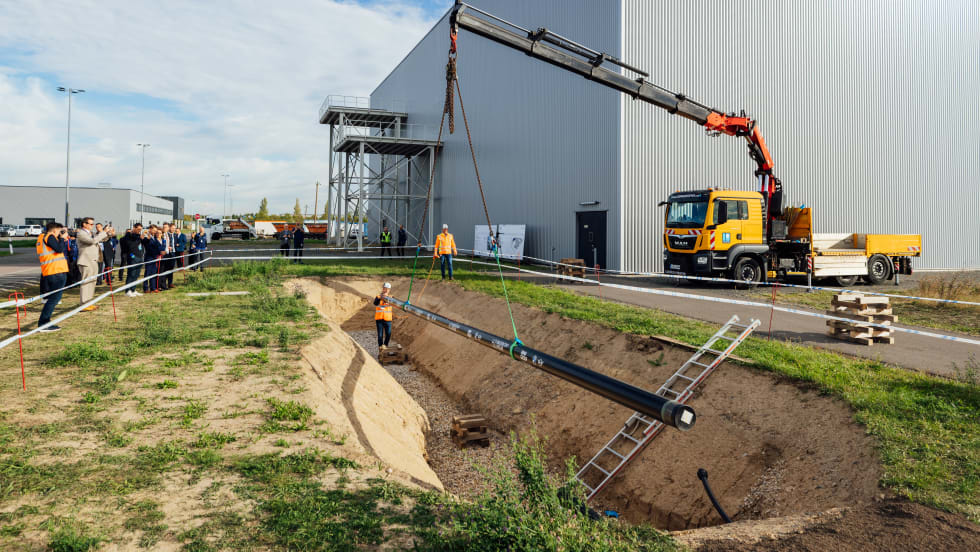
BMW Plant Pursues Cleaner Energy
BMW Group Plant Leipzig has utilized hydrogen to help power its production since 2013, but a new pipeline is planned to take it to another level.
Read More →
Auto Affordability Inches Up
The latest Cox Automotive and Moody’s Analytics index shows a slight increase in new-vehicle affordability despite high prices.
Read More →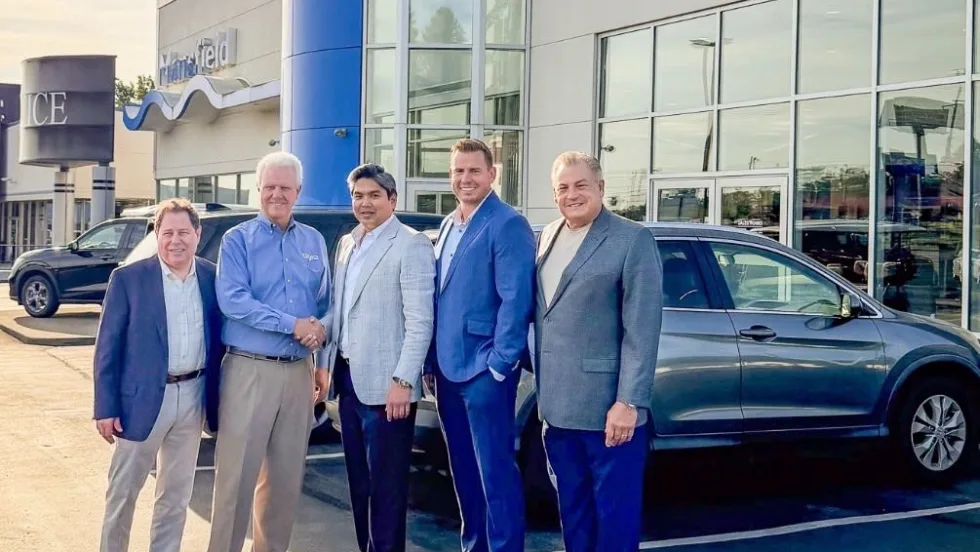
Ohio Auto Group Under New Ownership
After 79 years with the Schluter family, Mansfield Auto Group has been acquired by Missouri-based Clement Auto Group.
Read More →
RV Group Expands Carolina Footprint
Blue Compass RV Columbia Northeast is the 13th RV dealership owned by Blue Compass in the Carolinas.
Read More →
Agent Acumen
An Agent Summit panel of people who’ve been supporting auto dealers for years gave both timely and timeless advice for those starting out or mulling the prospect.
Read More →
Missed Maintenance Creates Opportunity
As families get back on the road and into daily school routines, service drives have an opportunity to capture customers who are behind on recommended vehicle maintenance.
Read More →