



U.S. Fuel, Safety Mandates May Raise Auto Prices, Deter Sales, Study Says

Proposed mandates for automakers to meet stricter fuel-economy and safety standards in the U.S. would depress sales to consumers and employment in the industry by increasing the cost of vehicles, a research group said today.
The average vehicle cost would rise by more than 22 percent if the U.S. implements its most stringent emissions proposals for 2025, according to the Ann Arbor, Michigan-based Center for Automotive Research. The group’s cost-increase estimates, which account for consumers’ fuel savings from improved efficiency, shrink to 10 percent if gas prices double in that span, reported Bloomberg.
Automakers in the U.S. may be required to almost double vehicle fuel economy to more than 60 mpg by 2025, the Obama administration said in October. Auto-safety regulators proposed requiring backup cameras earlier this month and may also mandate additional air bags and technologies that alert drivers before potential crashes, according to the study.
“These mandates are considered by us to be a considerable challenge,” Sean McAlinden, chief economist for the group, said today in a presentation in Ypsilanti, Michigan. “We recommend a more serious consideration of likely future costs of these new technologies and moderation in the formulation of mandates to reach certain policy objectives.”
The study assumes automakers will use a combination of cheaper methods to improve fuel efficiency such as weight reduction, smaller engines and turbochargers, and more expensive technologies such as hybrid and electric powertrains.
Older Fleet
The more expensive technologies are also the most effective in helping automakers achieve fuel-economy targets, adding costs for manufacturers, the group’s researchers found.
More expensive autos would lead consumers to defer purchases and hold onto their older vehicles longer, which could lead to higher emissions than if mandates were less stringent, McAlinden said.
Consumers replacing older vehicles with new ones at a slower rate would reduce manufacturing jobs while benefiting aftermarket and auto-repair companies, he said.
The Center for Automotive Research is a non-profit group funded by federal and state governments, corporate sources, and by holding conferences.
More Industry

Penske Auto Group Deal a Record
The deal to take the dealership and transportation services company private sets a new pace for industry buy-sell transactions.
Read More →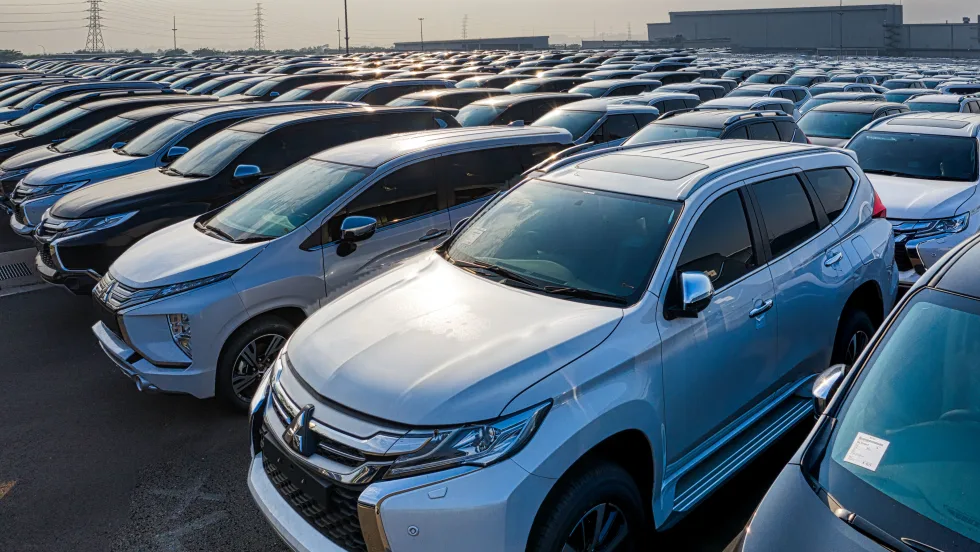
War Toll a Damper on Used Auto Prices
Cox Automotive found wholesale depreciation to be elevated in September amid high fuel prices and this year's unusual hurricane season.
Read More →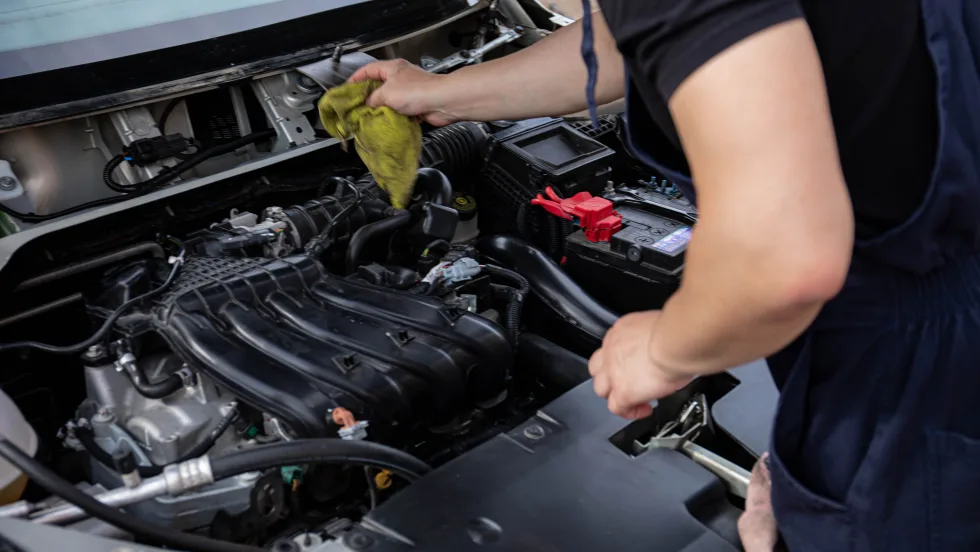
Bridge the Maintenance Gap
With many drivers missing recommended maintenance, service departments offering transparency and efficiency have a better chance of reaching financially strained consumers.
Read More →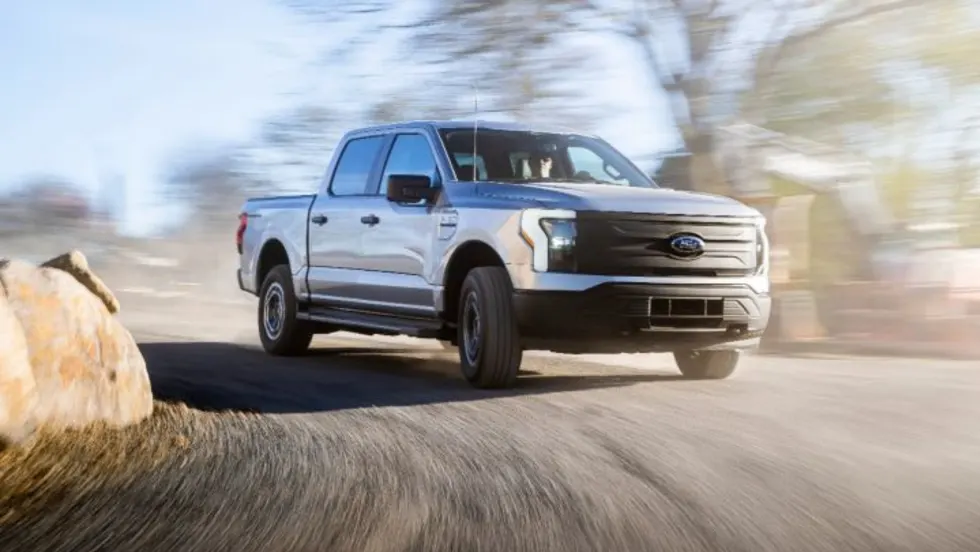
California Store Has New Owner
The longtime dealership in the northern part of the state is known for robust fleet sales and has served the state capital for 115 years.
Read More →
BMW Plant Pursues Cleaner Energy
BMW Group Plant Leipzig has utilized hydrogen to help power its production since 2013, but a new pipeline is planned to take it to another level.
Read More →
Auto Affordability Inches Up
The latest Cox Automotive and Moody’s Analytics index shows a slight increase in new-vehicle affordability despite high prices.
Read More →
Ohio Auto Group Under New Ownership
After 79 years with the Schluter family, Mansfield Auto Group has been acquired by Missouri-based Clement Auto Group.
Read More →
RV Group Expands Carolina Footprint
Blue Compass RV Columbia Northeast is the 13th RV dealership owned by Blue Compass in the Carolinas.
Read More →
Agent Acumen
An Agent Summit panel of people who’ve been supporting auto dealers for years gave both timely and timeless advice for those starting out or mulling the prospect.
Read More →
Missed Maintenance Creates Opportunity
As families get back on the road and into daily school routines, service drives have an opportunity to capture customers who are behind on recommended vehicle maintenance.
Read More →