



UK to Hold Onto to ICE Sales Longer
Ban on new gas-powered vehicle sales delayed by five years to 2035.

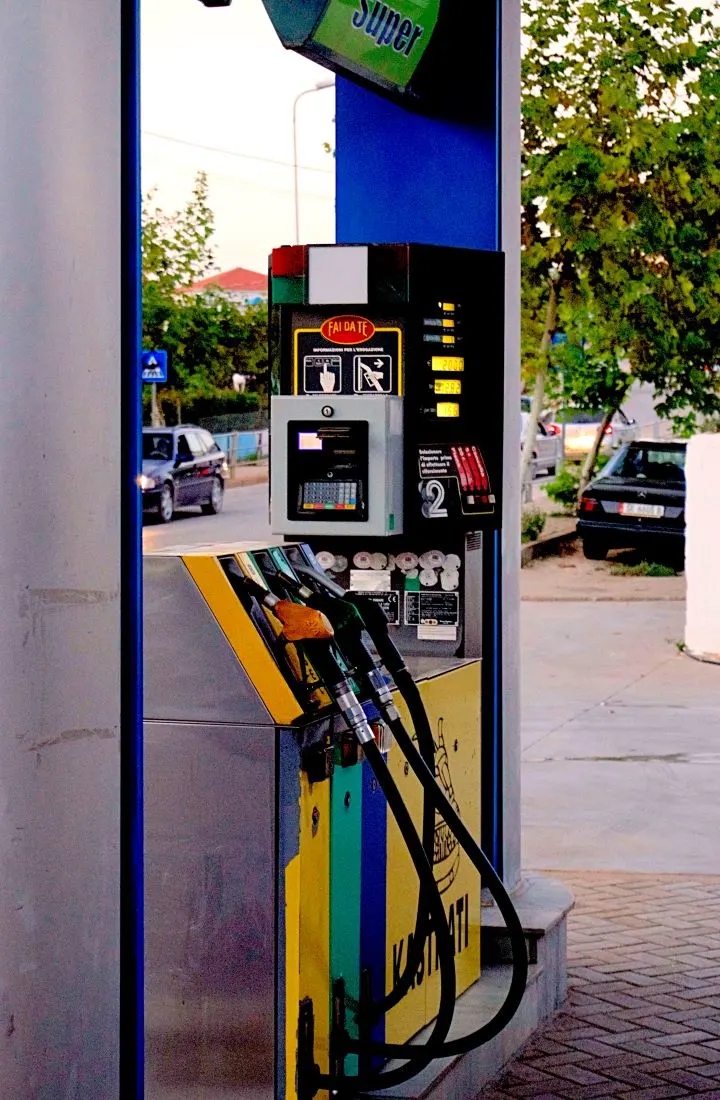
Prime Minister Rishi Sunak's announcement drew both praise and criticism. He said the delay will ease the transition.
IMAGE: Pexels/Ingo Joseph
The United Kingdom delayed by five years its ban on sales of new internal-combustion-engine vehicles.
The transition now won’t happen until 2035, which reflects the timeline of U.S. and European Union governments' plans.
Prime Minister Rishi Sunak announced the delay, saying it will help ease the transition. It drew both praise and criticism from various quarters. Some panned the move, saying it needlessly delays environmental protection in the form of greener technology, while others said it’s a prudent slowdown.
Toyota praised the change, saying it gives automakers time to catch up and offer various alternatives to gas power. Others complained, including Ford, saying they’ve been investing in UK facilities to ready for the original 2030 deadline since it was announced three years ago.
Originally posted on Auto Dealer Today
More Industry
Nebraska Rooftop Changes Hands
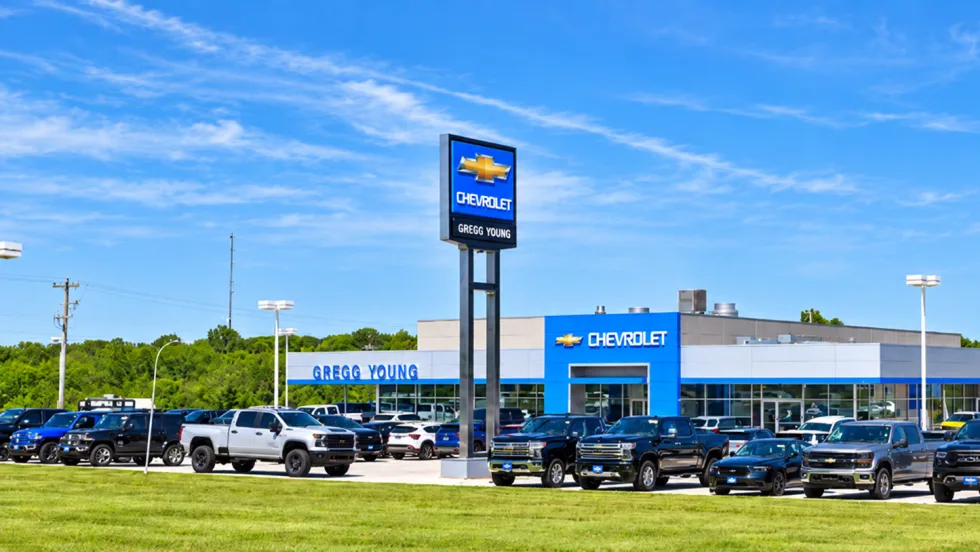
The Gregg Young Automotive Group has sold its second dealership to Janssen Auto Group, both in Plattsmouth, Neb.
Read More →
Penske Auto Group Deal a Record
The deal to take the dealership and transportation services company private sets a new pace for industry buy-sell transactions.
Read More →
War Toll a Damper on Used Auto Prices
Cox Automotive found wholesale depreciation to be elevated in September amid high fuel prices and this year's unusual hurricane season.
Read More →
Bridge the Maintenance Gap
With many drivers missing recommended maintenance, service departments offering transparency and efficiency have a better chance of reaching financially strained consumers.
Read More →
California Store Has New Owner
The longtime dealership in the northern part of the state is known for robust fleet sales and has served the state capital for 115 years.
Read More →
BMW Plant Pursues Cleaner Energy
BMW Group Plant Leipzig has utilized hydrogen to help power its production since 2013, but a new pipeline is planned to take it to another level.
Read More →
Auto Affordability Inches Up
The latest Cox Automotive and Moody’s Analytics index shows a slight increase in new-vehicle affordability despite high prices.
Read More →
Ohio Auto Group Under New Ownership
After 79 years with the Schluter family, Mansfield Auto Group has been acquired by Missouri-based Clement Auto Group.
Read More →
RV Group Expands Carolina Footprint
Blue Compass RV Columbia Northeast is the 13th RV dealership owned by Blue Compass in the Carolinas.
Read More →
Agent Acumen
An Agent Summit panel of people who’ve been supporting auto dealers for years gave both timely and timeless advice for those starting out or mulling the prospect.
Read More →