



UAW wants to eliminate two-tier wage system

(Reuters) - A top official with the United Auto Workers said the American labor union wants to eliminate the two-tier wage system that pays new automotive workers at a lower rate than veterans.
Norwood Jewell, nominated to serve as one of three vice presidents when the union meets next June to ratify its new leaders, said that the UAW wants to dump the two-tier scale that pays entry-level hires at slightly more than half the rate of veteran workers.
"The international executive board hates two-tiers," he told reporters at a General Motors Co plant in Flint, Michigan. Jewell is currently director of the region that includes the GM plant. "We didn't do two tiers because it's a wonderful thing," he added, saying they were a "financial unfortunate" caused by the weak industry in 2007. "We hate them. We intend to eliminate them over time."
The UAW will negotiate its next labor contract with the U.S. automakers, GM, Ford Motor Co. and Chrysler Group, which is controlled by Italy's Fiat, in 2015. Strong profits at the U.S. automakers, combined with the UAW's distaste for two-tier wages and the fact that veteran workers have not received a pay raise in a decade, point to difficult labor talks.
The American automakers have said they need the entry-level wage scale to compete on labor costs with Japanese, South Korean and German automakers that have U.S. plants.
Pay of hourly workers at the entry level starts at just under $16 an hour and rises over time to more than $19. Veteran workers are paid just more than $28 an hour.
About 16 percent of GM's 51,500 hourly U.S. employees are second-tier workers, while 19 percent of Ford's 46,500 hourly workers are paid at that level. About a quarter of Chrysler's 32,000 hourly workers are entry-level.
Jewell said key to eliminating the second-tier wages will be the UAW successfully organizing non-union plants in the U.S. South. "If we don't organize them and bring them up to our standard, we're never going be able to totally eliminate the second tier," he said.
The UAW has been negotiating to organize Volkswagen AG's assembly plant in Chattanooga, Tennessee, through a German-style labor council.
Asked whether the union expects to recoup some of the givebacks it made in the last round of talks in 2011 with the now-profitable U.S. automakers, Jewell said a strong economy would help the union's case in the next contract negotiations.
Jewell also said he expects the union's strong relations with GM to continue even as the No. 1 U.S. automaker transitions to a new chief executive next month. Last week, GM said CEO Dan Akerson would be replaced by product development chief Mary Barra, the industry's first woman CEO.
He also noted that any move to raise union dues would be decided by the membership at the convention next June. The UAW is considering hiking membership dues by 25 percent, the first increase since 1967, as it faces dwindling membership and rising costs, sources and a union official said this month. Jimmy Settles, UAW vice president and the top union official for workers at Ford said the increase was only in the discussion phase and no decision had been made.
The UAW has faced dwindling membership since 1979, when U.S. automakers dominated the domestic car market and before the widespread use of robots and other manufacturing efficiencies cut the need for as many assembly line workers.
UAW membership sunk to 355,191 in 2009 at the depths of the U.S. recession but while U.S. auto sales have increased nearly 50 percent since then, union membership has risen 8 percent.
More Industry

Penske Auto Group Deal a Record
The deal to take the dealership and transportation services company private sets a new pace for industry buy-sell transactions.
Read More →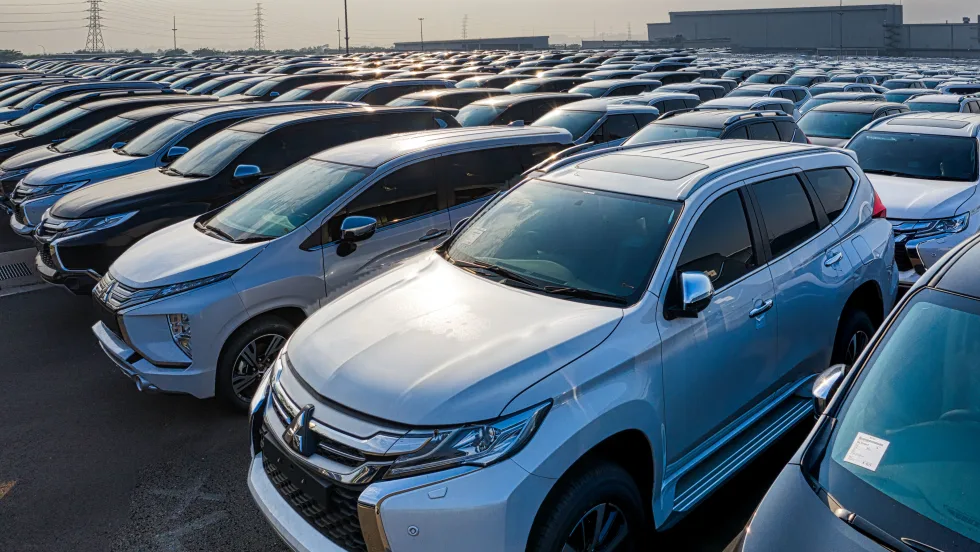
War Toll a Damper on Used Auto Prices
Cox Automotive found wholesale depreciation to be elevated in September amid high fuel prices and this year's unusual hurricane season.
Read More →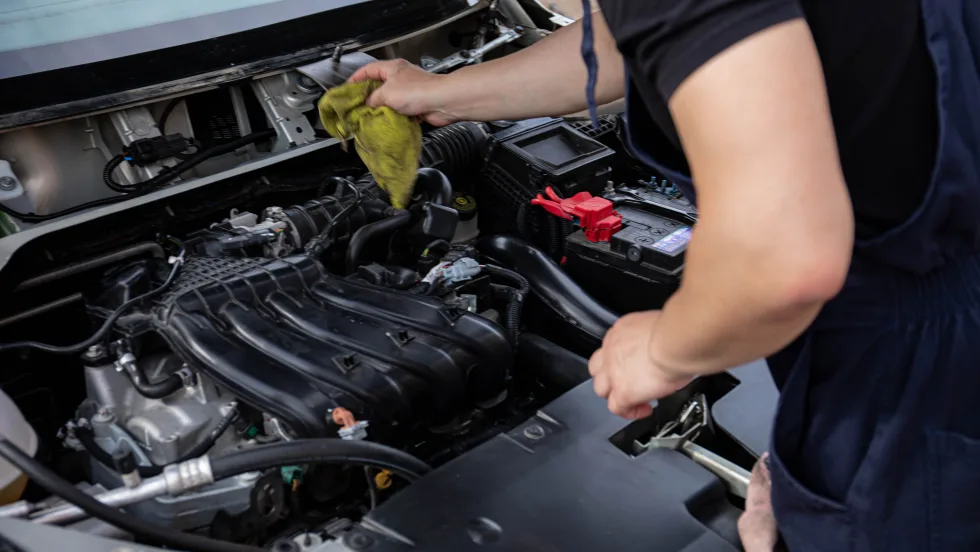
Bridge the Maintenance Gap
With many drivers missing recommended maintenance, service departments offering transparency and efficiency have a better chance of reaching financially strained consumers.
Read More →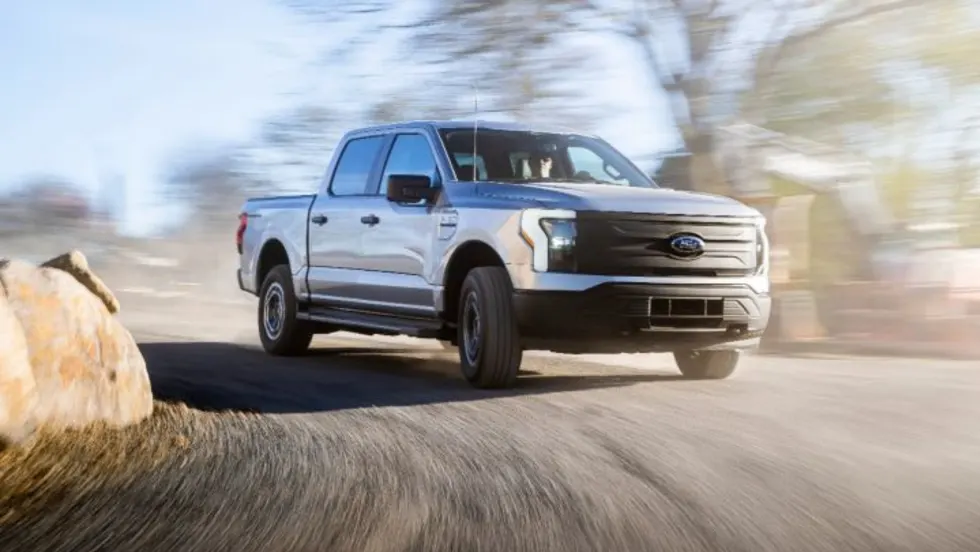
California Store Has New Owner
The longtime dealership in the northern part of the state is known for robust fleet sales and has served the state capital for 115 years.
Read More →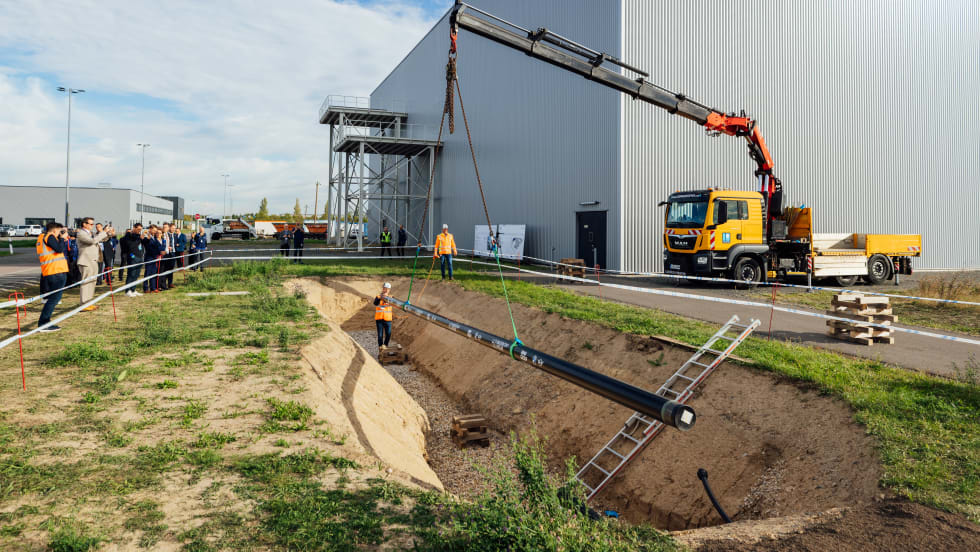
BMW Plant Pursues Cleaner Energy
BMW Group Plant Leipzig has utilized hydrogen to help power its production since 2013, but a new pipeline is planned to take it to another level.
Read More →
Auto Affordability Inches Up
The latest Cox Automotive and Moody’s Analytics index shows a slight increase in new-vehicle affordability despite high prices.
Read More →
Ohio Auto Group Under New Ownership
After 79 years with the Schluter family, Mansfield Auto Group has been acquired by Missouri-based Clement Auto Group.
Read More →
RV Group Expands Carolina Footprint
Blue Compass RV Columbia Northeast is the 13th RV dealership owned by Blue Compass in the Carolinas.
Read More →
Agent Acumen
An Agent Summit panel of people who’ve been supporting auto dealers for years gave both timely and timeless advice for those starting out or mulling the prospect.
Read More →
Missed Maintenance Creates Opportunity
As families get back on the road and into daily school routines, service drives have an opportunity to capture customers who are behind on recommended vehicle maintenance.
Read More →