



Trump Administration Streamlines Self-Driving Guidelines
U.S. Transportation Secretary Elaine Chao released a new set of voluntary federal guidelines for autonomous vehicles on Sept. 12 — a move the Trump administration said will make federal regulatory processes “more nimble to help match the pace of private sector innovation.” The guidance, which replaces Obama administration policy released a year ago, provides a voluntary framework ... Read More »

U.S. Transportation Secretary Elaine Chao released a new set of voluntary federal guidelines for autonomous vehicles on Sept. 12 — a move the Trump administration said will make federal regulatory processes “more nimble to help match the pace of private sector innovation.”
The guidance, which replaces Obama administration policy released a year ago, provides a voluntary framework for manufacturers and other stakeholders as autonomous vehicle technologies continue to evolve for testing and deployment. The guidelines will not be enforced, but autonomous vehicles found to have a defect will be subject to safety recall like other vehicles.
The released document also “revises unnecessary design elements from the safety self-assessment” found in the previous guidelines, the National Highway Traffic Safety Administration said in a released statement. The Obama administration’s policy included vehicle performance guidance that used a 15-point safety assessment system.
The new guidelines do, however, recommend that all design decisions be tested, validated and verified as individual subsystems and as part of the entire vehicle architecture. Manufacturers are “encouraged to document the entire process: all actions, changes, design choices, analyses, associated testing, and data should be traceable and transparent,” the document said.
The guidance addresses a range of subjects, including crash avoidance, human-machine interface, validation methods, vehicle cybersecurity, post-crash automated driving system behavior, data recording, consumer education, and the role of state governments.
“The new Guidance supports further development of this important new technology, which has the potential to change the way we travel and how we deliver goods and services,” Chao said. “The safe deployment of automated vehicle technologies means we can look forward to a future with fewer traffic fatalities and increased mobility for all Americans.”
Chao unveiled the policy guidelines during a press conference at an autonomous vehicle testing facility in Ann Arbor, Mich. They will be updated again next year to keep pace with innovation. NHTSA is part of the Department of Transportation.
The new NHTSA guidance drew both praise and criticism.
“We fully support the new guidance which is extremely well thought out, clarifying, and in alignment with the collaborative approach at the American Center for Mobility,” said John Maddox, CEO of the American Center for Mobility. “I believe that issuing guidance rather than specific regulation is most certainly the best approach, especially as the development of these technologies is rapidly evolving.”
But Consumers Union, the policy and mobilization division of Consumer Reports, viewed NHTSA’s revised policy as a means for the federal agency to weaken oversight of automated vehicles.
“This is a clear step backward for consumer safety that sends a troubling message about the Transportation Department’s priorities under the new administration,” said David Friedman, director of cars and product policy and analysis for Consumers Union. “On the same day that the NTSB announced Tesla’s Autopilot system played a ‘major role’ in a May 2016 fatal crash, Secretary Chao indicated that the Department will go easy on automakers, and that it will expect them to do less to verify the safety of emerging automated vehicle systems.”
Friedman served as NHTSA deputy administrator and as acting administrator during part of the Obama administration.
More Industry
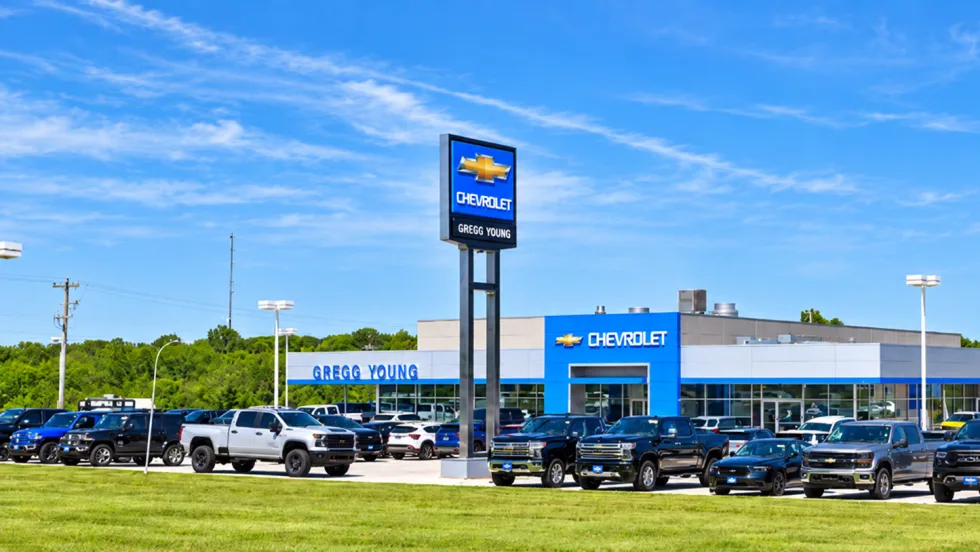
Nebraska Rooftop Changes Hands
The Gregg Young Automotive Group has sold its second dealership to Janssen Auto Group, both in Plattsmouth, Neb.
Read More →
Penske Auto Group Deal a Record
The deal to take the dealership and transportation services company private sets a new pace for industry buy-sell transactions.
Read More →
War Toll a Damper on Used Auto Prices
Cox Automotive found wholesale depreciation to be elevated in September amid high fuel prices and this year's unusual hurricane season.
Read More →
Bridge the Maintenance Gap
With many drivers missing recommended maintenance, service departments offering transparency and efficiency have a better chance of reaching financially strained consumers.
Read More →
California Store Has New Owner
The longtime dealership in the northern part of the state is known for robust fleet sales and has served the state capital for 115 years.
Read More →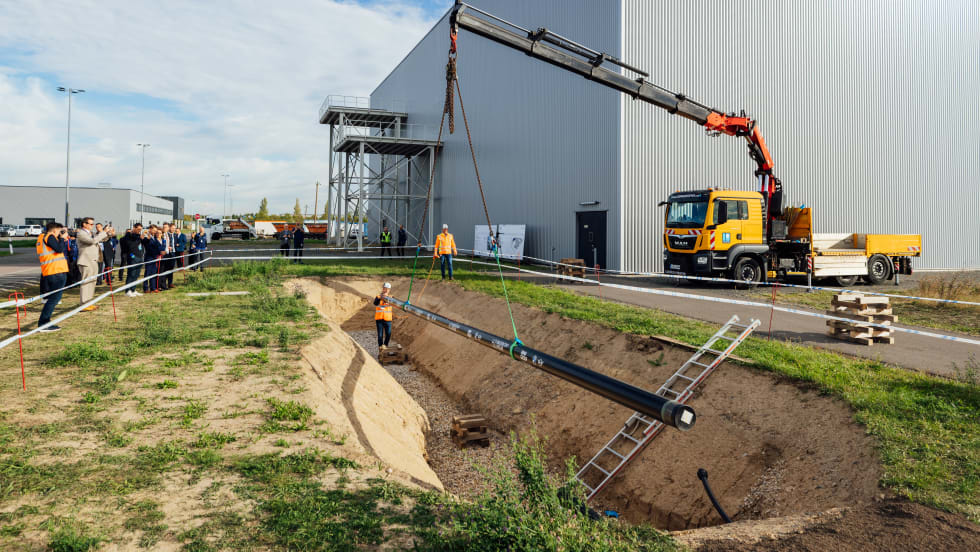
BMW Plant Pursues Cleaner Energy
BMW Group Plant Leipzig has utilized hydrogen to help power its production since 2013, but a new pipeline is planned to take it to another level.
Read More →
Auto Affordability Inches Up
The latest Cox Automotive and Moody’s Analytics index shows a slight increase in new-vehicle affordability despite high prices.
Read More →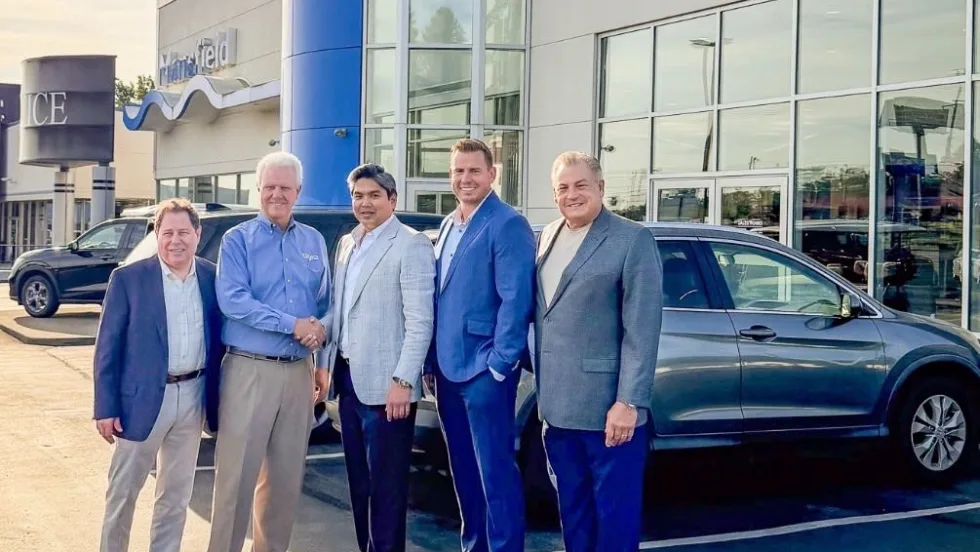
Ohio Auto Group Under New Ownership
After 79 years with the Schluter family, Mansfield Auto Group has been acquired by Missouri-based Clement Auto Group.
Read More →
RV Group Expands Carolina Footprint
Blue Compass RV Columbia Northeast is the 13th RV dealership owned by Blue Compass in the Carolinas.
Read More →
Agent Acumen
An Agent Summit panel of people who’ve been supporting auto dealers for years gave both timely and timeless advice for those starting out or mulling the prospect.
Read More →