



Toyota's Priorities Come Under Fire

WASHINGTON - Toyota Motor Corp. has put more effort into containing the damage to its reputation than checking all the possible causes of unintended acceleration, a Michigan congressman said Thursday during a contentious hearing on Capitol Hill, The Detroit News reported. Lawmakers also charged that Toyota was trying to discredit critics and hadn't thoroughly investigated whether its electronic systems might be defective. The Japanese automaker, struggling with the biggest crisis in its recent history, maintains that it has not discovered any electronic cause for the incidents of unintended acceleration that led to its largest U.S. recall. Rep. Bart Stupak, D-Menominee, chairman of the House Energy and Commerce Committee's oversight panel, accused Toyota of focusing more on "damage control" than on searching for defects. Toyota has recalled more than 8.5 million vehicles worldwide, including more than 6 million in the United States. Committee staffers said Toyota had hired the Benenson Strategy Group to conduct a poll about "what Toyota could do to repair damage to the company's image among educated consumers known as 'opinion elites.'" Toyota, "like most organizations, conducts regular public opinion research," the company said in a statement. "We are making a major scientific effort to further validate the safety of our vehicles by opening up our technology to an unprecedented level of independent review," Jim Lentz, president of Toyota Motor Sales USA, told the committee. Committee Chairman Rep. Henry Waxman, D-Calif., said there was "no evidence that Toyota has done extensive or rigorous testing of its vehicles for potential electronic defects that could cause sudden acceleration." The committee has met with Toyota engineers in Japan and taken their depositions and one from a senior U.S. employee.
More Industry
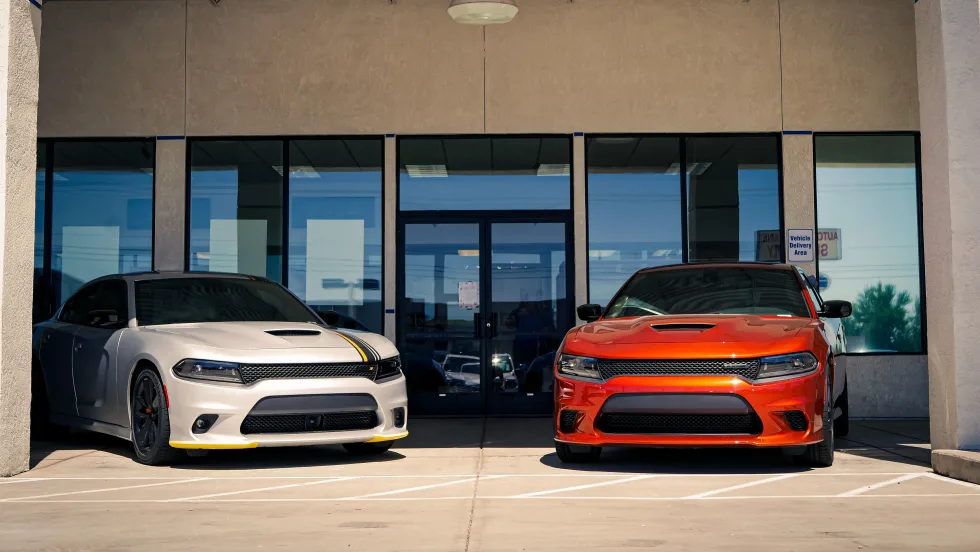
Auto Affordability Inches Up
The latest Cox Automotive and Moody’s Analytics index shows a slight increase in new-vehicle affordability despite high prices.
Read More →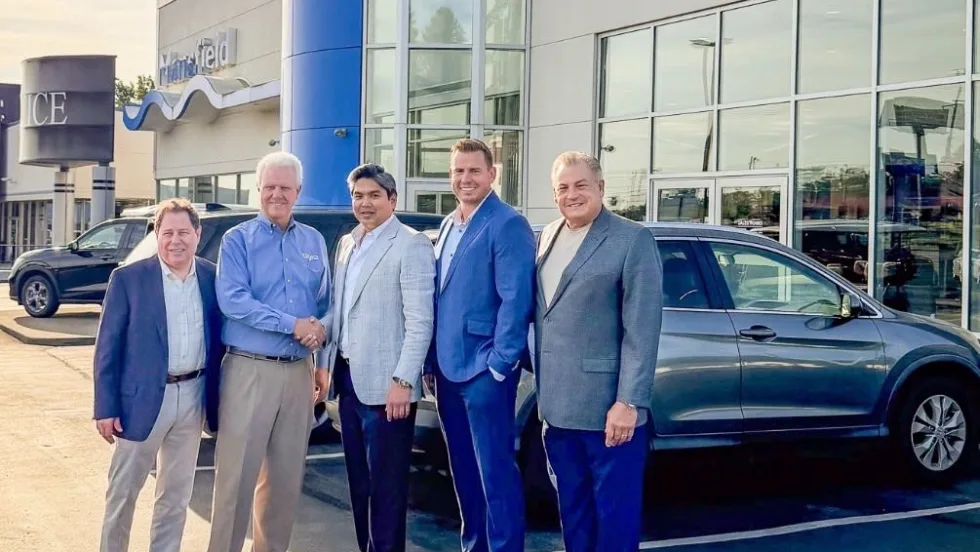
Ohio Auto Group Under New Ownership
After 79 years with the Schluter family, Mansfield Auto Group has been acquired by Missouri-based Clement Auto Group.
Read More →
RV Group Expands Carolina Footprint
Blue Compass RV Columbia Northeast is the 13th RV dealership owned by Blue Compass in the Carolinas.
Read More →
Agent Acumen
An Agent Summit panel of people who’ve been supporting auto dealers for years gave both timely and timeless advice for those starting out or mulling the prospect.
Read More →
Missed Maintenance Creates Opportunity
As families get back on the road and into daily school routines, service drives have an opportunity to capture customers who are behind on recommended vehicle maintenance.
Read More →
Mitsubishi Unveils U.S. Plan
The automaker announced a strategy that includes an expanded lineup and dealership presence, along with more ‘rugged’ and electric models.
Read More →
Selling to Grow
The question of whether you should sell your agency and if so, when, is up to you. But it’s a question worth asking to ensure you keep the business on the right path for yourself, employees and clients.
Read More →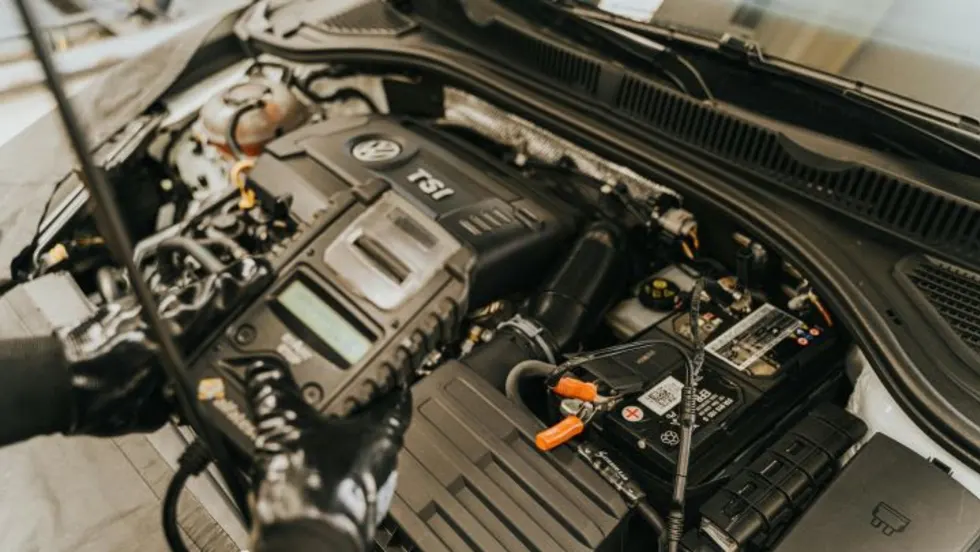
Recalled Vehicles Hit 5-Year High
Though the number of events has fallen so far this year, impacted units are up significantly. Meanwhile, regulators consider consumer notification changes.
Read More →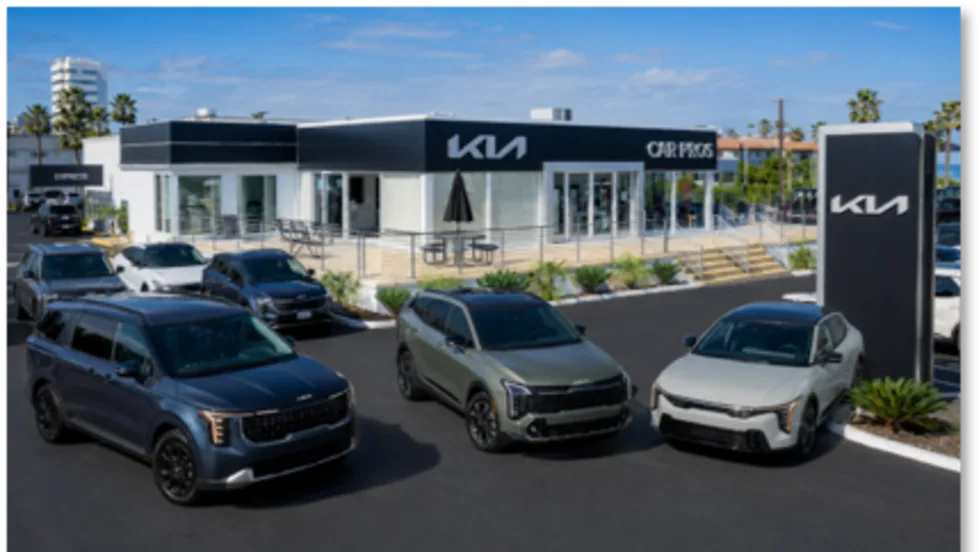
Auto Group Acquires Top-Performing Rooftop
Car Pros sold its Kia Huntington Beach location to Sutherlin Automotive Group, marking the buyer’s third location in Southern California.
Read More →
China as Pacesetter
Automotive leaders huddled on where North America stands in the global picture and how it can strengthen its position against the Asian juggernaut’s surging industry.
Read More →