



Toyota’s ‘Pattern of Hiding’ to Be Probed in Hearing

Toyota Motor Corp.’s “pattern of hiding” will be examined at a congressional hearing next week on safety recalls by the world’s largest automaker, said U.S. Representative Darrell Issa. Toyota said yesterday that President Akio Toyoda will testify at the Feb. 24 hearing of the House Oversight and Government Reform Committee, Bloomberg reported. That’s important because “he’s the only person that can speak for a global enterprise” about “getting those problems addressed quickly,” Issa, the panel’s senior Republican, said in a Bloomberg Television interview. Toyota, the world’s biggest automaker, faces at least three hearings into its recall of more than 8 million vehicles worldwide for defects including unintended acceleration. This week U.S. regulators said they’re investigating the Toyota City, Japan-based company’s Corolla sedan, the world’s top-selling car, for a possible steering flaw. While its production system enables workers to stop assembly lines for quality issues, Toyota’s corporate structure doesn’t allow safety concerns to “bubble up” from a low level after the vehicles are manufactured, Issa said. “Any production worker can and does stop production if they see a bad part,” Issa said. “No one has the equivalent power” to address signs of danger “in a car that’s already produced,” Issa said. “There was the impression that because you make such a good car, you don’t have to pay attention to the safety issues,” Issa said. Toyoda, the 53-year-old grandson of the company’s founder, had said earlier that he didn’t plan to appear at the hearings, and North American president Yoshimi Inaba had been scheduled to testify instead. Toyoda reversed the decision yesterday after an invitation from oversight committee Chairman Edolphus Towns, a New York Democrat. The panel will also examine the failure of the National Highway Traffic Safety Administration to use its legal authority to force recalls, Issa said. Regulators should be looking more globally for potential defects, the California lawmaker told Reuters.
More Industry
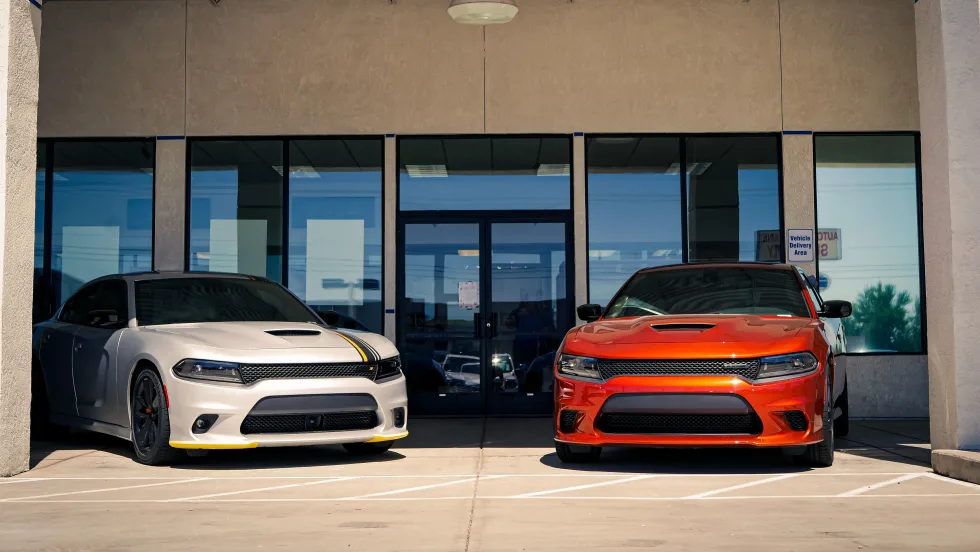
Auto Affordability Inches Up
The latest Cox Automotive and Moody’s Analytics index shows a slight increase in new-vehicle affordability despite high prices.
Read More →
Ohio Auto Group Under New Ownership
After 79 years with the Schluter family, Mansfield Auto Group has been acquired by Missouri-based Clement Auto Group.
Read More →
RV Group Expands Carolina Footprint
Blue Compass RV Columbia Northeast is the 13th RV dealership owned by Blue Compass in the Carolinas.
Read More →
Agent Acumen
An Agent Summit panel of people who’ve been supporting auto dealers for years gave both timely and timeless advice for those starting out or mulling the prospect.
Read More →
Missed Maintenance Creates Opportunity
As families get back on the road and into daily school routines, service drives have an opportunity to capture customers who are behind on recommended vehicle maintenance.
Read More →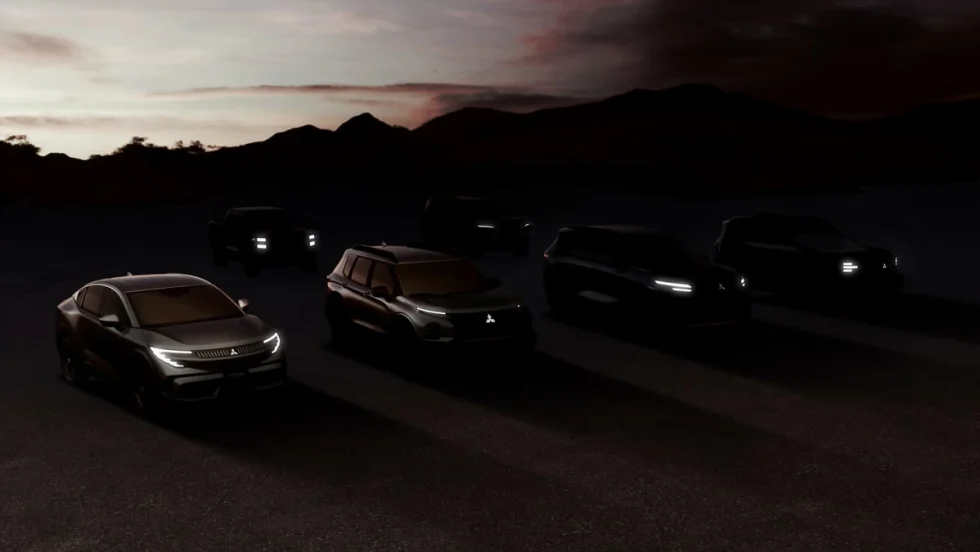
Mitsubishi Unveils U.S. Plan
The automaker announced a strategy that includes an expanded lineup and dealership presence, along with more ‘rugged’ and electric models.
Read More →
Selling to Grow
The question of whether you should sell your agency and if so, when, is up to you. But it’s a question worth asking to ensure you keep the business on the right path for yourself, employees and clients.
Read More →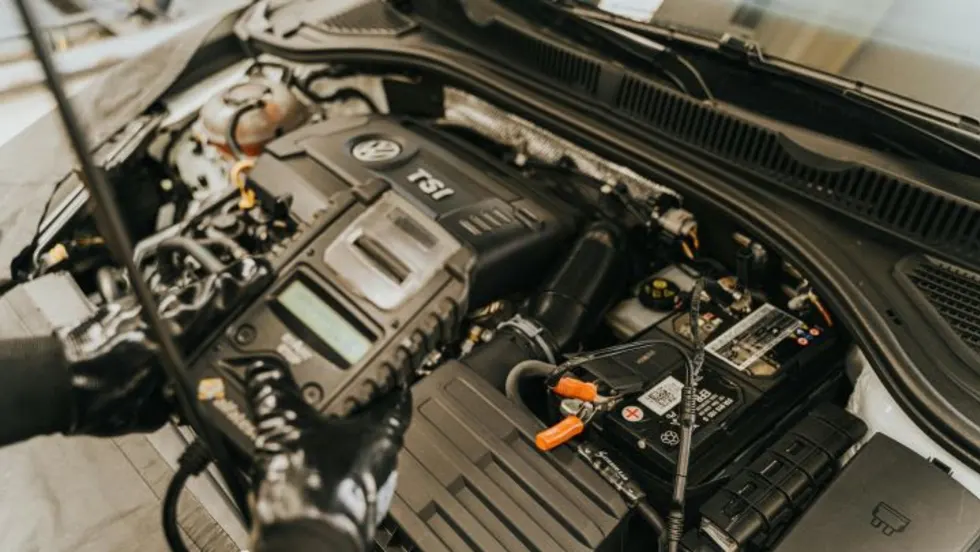
Recalled Vehicles Hit 5-Year High
Though the number of events has fallen so far this year, impacted units are up significantly. Meanwhile, regulators consider consumer notification changes.
Read More →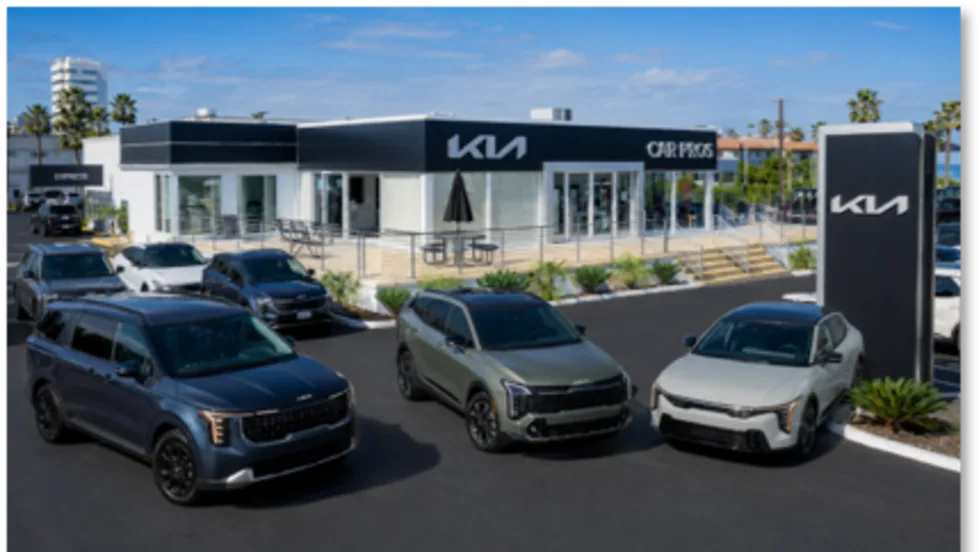
Auto Group Acquires Top-Performing Rooftop
Car Pros sold its Kia Huntington Beach location to Sutherlin Automotive Group, marking the buyer’s third location in Southern California.
Read More →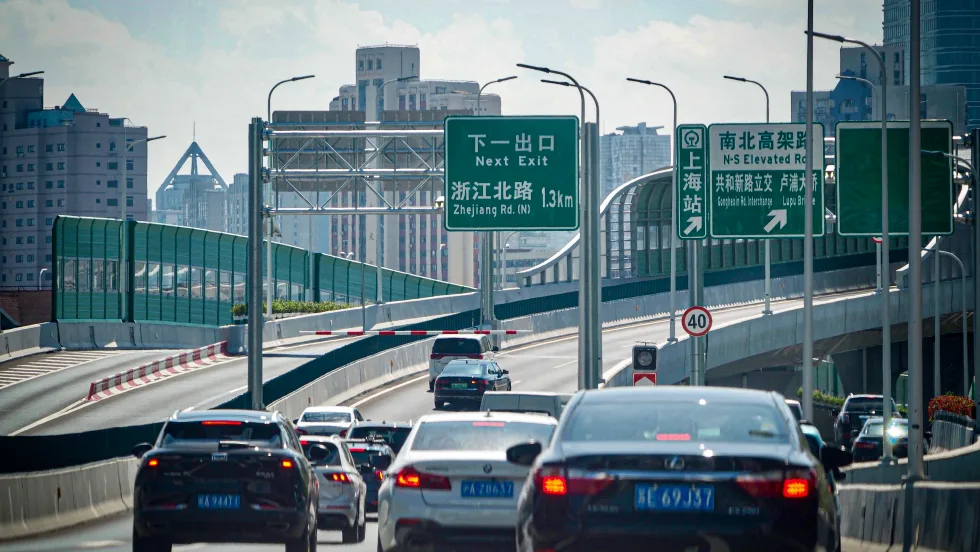
China as Pacesetter
Automotive leaders huddled on where North America stands in the global picture and how it can strengthen its position against the Asian juggernaut’s surging industry.
Read More →