



Toyota Will Shift 4,000 to New Offices in Texas

Via NYTimes
DETROIT — Toyota Motor said on Monday that it would move thousands of employees from California and other locations to new North American headquarters in Texas as part of a broad effort to cut costs and streamline operations.
The Japanese automaker plans to consolidate about 4,000 workers at a new facility near Dallas, including senior managers who have been based outside Los Angeles for decades.
The move is reminiscent of a similar change made by Nissan in 2006, when it transferred most of its American employees from California to Tennessee, where it operates a major assembly plant.
Toyota’s move would affect 2,000 employees in its sales and marketing and corporate offices in California, as well as 1,000 workers at an engineering center in Kentucky and a smaller number of employees in New York.
Most of the employees would move to Texas in about three years, when the company finishes construction of a new headquarters. An additional 1,000 employees from Toyota’s financial services division would follow at a later date.
James E. Lentz, Toyota North America’s chief executive, said the shift would bring the company’s manufacturing, sales and marketing and corporate offices under one roof for the first time.
“We will be better equipped to speed decision-making, share best practices and leverage the combined strength of our employees,” Mr. Lentz said in a statement.
Toyota said that the consolidation would not affect workers at its 10 manufacturing plants in the United States, and that it would increase the number of employees at its technical center in Michigan by more than 200.
The biggest ramification is a major downsizing of Toyota’s presence in Southern California. The company opened its first American offices there in the 1950s, and its small cars gained their first foothold in the American market on the West Coast.
“This is the most significant change in our North American operations in the past 50 years,” Mr. Lentz said. “And we are excited for what the future holds.”
Toyota said that after the move, it would still have about 2,300 employees in California, many of whom would work in its advanced design studios there.
The move is a victory for Gov. Rick Perry of Texas and his campaign to woo businesses from California. Toyota considered several sites in the United States before deciding on the Dallas area, where taxes, real estate and other costs are considerably lower than California’s.
“It indicates that money — and tax incentives — talks when it comes to headquarters locations of large corporations,” said Jack R. Nerad, an analyst with the auto-research firm Kelley Blue Book.
More Industry

Ohio Auto Group Under New Ownership
After 79 years with the Schluter family, Mansfield Auto Group has been acquired by Missouri-based Clement Auto Group.
Read More →
RV Group Expands Carolina Footprint
Blue Compass RV Columbia Northeast is the 13th RV dealership owned by Blue Compass in the Carolinas.
Read More →
Agent Acumen
An Agent Summit panel of people who’ve been supporting auto dealers for years gave both timely and timeless advice for those starting out or mulling the prospect.
Read More →
Missed Maintenance Creates Opportunity
As families get back on the road and into daily school routines, service drives have an opportunity to capture customers who are behind on recommended vehicle maintenance.
Read More →
Mitsubishi Unveils U.S. Plan
The automaker announced a strategy that includes an expanded lineup and dealership presence, along with more ‘rugged’ and electric models.
Read More →
Selling to Grow
The question of whether you should sell your agency and if so, when, is up to you. But it’s a question worth asking to ensure you keep the business on the right path for yourself, employees and clients.
Read More →
Recalled Vehicles Hit 5-Year High
Though the number of events has fallen so far this year, impacted units are up significantly. Meanwhile, regulators consider consumer notification changes.
Read More →
Auto Group Acquires Top-Performing Rooftop
Car Pros sold its Kia Huntington Beach location to Sutherlin Automotive Group, marking the buyer’s third location in Southern California.
Read More →
China as Pacesetter
Automotive leaders huddled on where North America stands in the global picture and how it can strengthen its position against the Asian juggernaut’s surging industry.
Read More →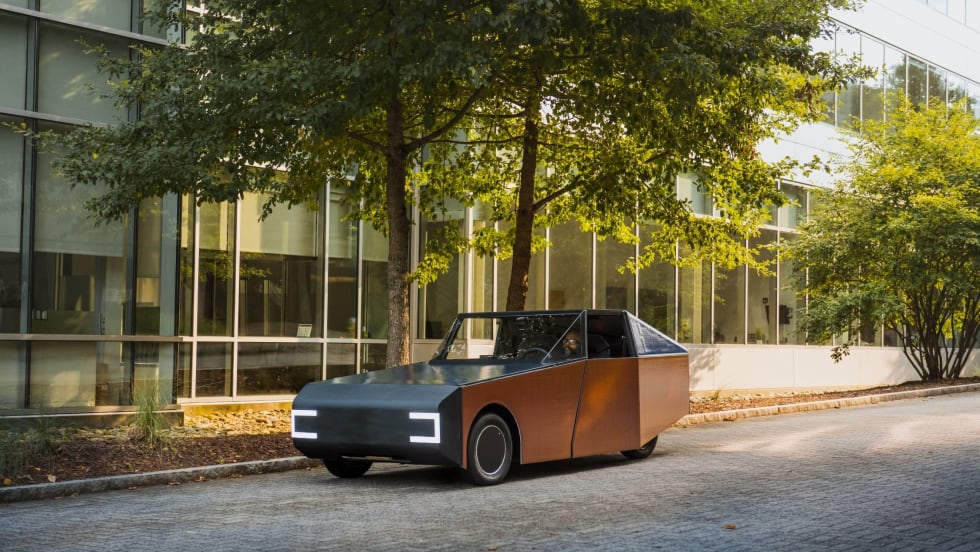
BMW Concept Car Makes Fuel to Burn
The prototype developed in concert with a South Carolina university engineering team generates more solar energy than it uses in a typical daily commute.
Read More →