



Toyota to Adopt EV First Mindset
Toyota Motor Corp’s next chief executive, Koji Sato, is calling for an “EV-first mindset” for the Japanese automaker.

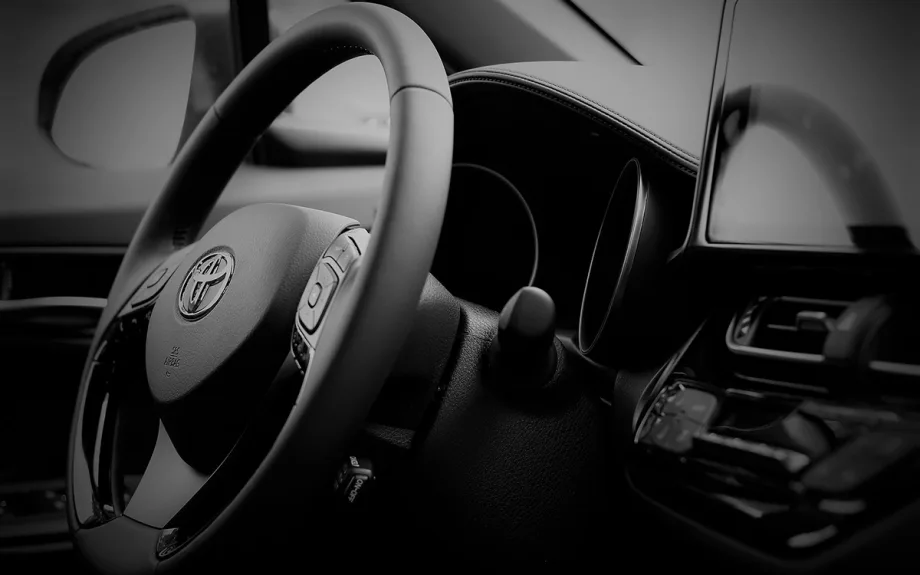
Toyota Motor Corp’s next chief executive, Koji Sato, is calling for an “EV-first mindset” for the Japanese automaker.
IMAGE: Pixabay
Toyota Motor Corp’s next chief executive, Koji Sato, is calling for an “EV-first mindset” for the Japanese automaker.
This mindset, Sato says, will accelerate development of parts and manufacturing methods optimized for electric vehicles.
“We need to drastically change how we do business,” said Sato, who will take over as CEO in April.
Sato reported Toyota will develop new EVs for its luxury Lexus brand by 2026 using an EV-specialized manufacturing platform—the underlying architecture on which various models can be built.
The use of an EV-specialized platform is new. Until now Toyota has manufactured EVs on existing production platforms. Its current EV manufacturing platform is partly repurposed from a gasoline-powered vehicles line. In addition, it’s EVs are assembled on lines that also produce other types of cars.
Sato says Lexus will lead this new strategy, which will ultimately extend beyond just Lexus. Toyota will continue to expand its current EV lineup, he said.
Toyota previously reported plans to make its Lexus brand all-EV by 2035. Sato will lead Lexus until he starts as CEO in April. He reported Toyota would announce more specifics about its EV strategy after he officially assumes his new role.
Toyota hopes that by making bigger upfront investments in EV-dedicated parts and manufacturing, it can make its EV business more efficient and take advantage of economies of scale. The automaker also hopes to manufacture its own batteries and invest in the supply chain for battery parts rather than rely on ready-made batteries from outside suppliers.
Today, Toyota leads the industry in selling hybrid gas-electric vehicles, a technology it pioneered with the Prius in the late 1990s. However, its EV sales made up less than 1% of Toyota and Lexus retail sales in 2022. By 2030, the company hopes EV sales comprise a third of its annual sales of roughly 10 million vehicles.
Sato wants the automaker to continue offering a range of options, including hybrids and hydrogen-powered cars, rather than only offer EVs. He says the car maker will “continue with an omnidirectional approach without wavering.”
He adds, the EVs the company manufacturers will be “uniquely Toyota.”
“We’ve seen the kind of EVs we are aiming for,” he said. “Now that the timing is right, we will accelerate that development with a new approach.”
Originally posted on Auto Dealer Today
More Industry
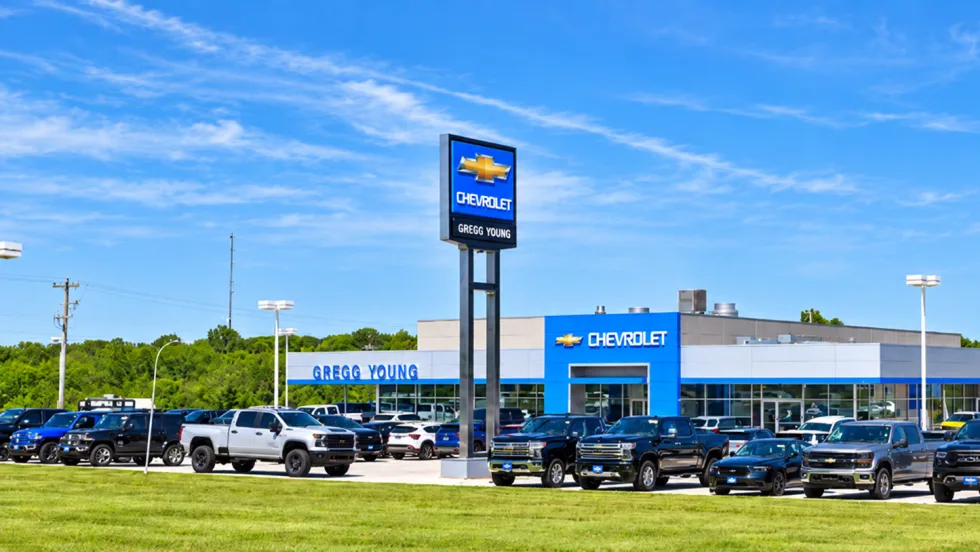
Nebraska Rooftop Changes Hands
The Gregg Young Automotive Group has sold its second dealership to Janssen Auto Group, both in Plattsmouth, Neb.
Read More →
Penske Auto Group Deal a Record
The deal to take the dealership and transportation services company private sets a new pace for industry buy-sell transactions.
Read More →
War Toll a Damper on Used Auto Prices
Cox Automotive found wholesale depreciation to be elevated in September amid high fuel prices and this year's unusual hurricane season.
Read More →
Bridge the Maintenance Gap
With many drivers missing recommended maintenance, service departments offering transparency and efficiency have a better chance of reaching financially strained consumers.
Read More →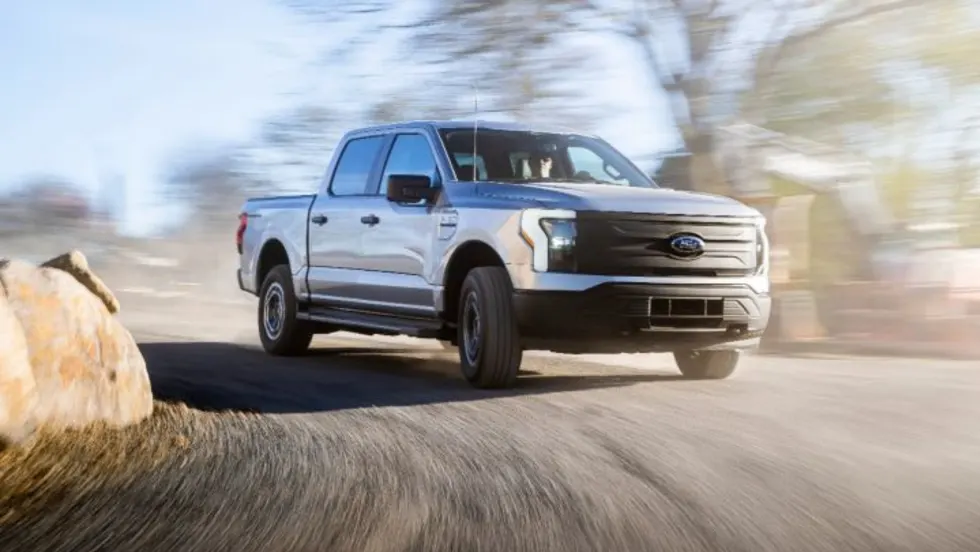
California Store Has New Owner
The longtime dealership in the northern part of the state is known for robust fleet sales and has served the state capital for 115 years.
Read More →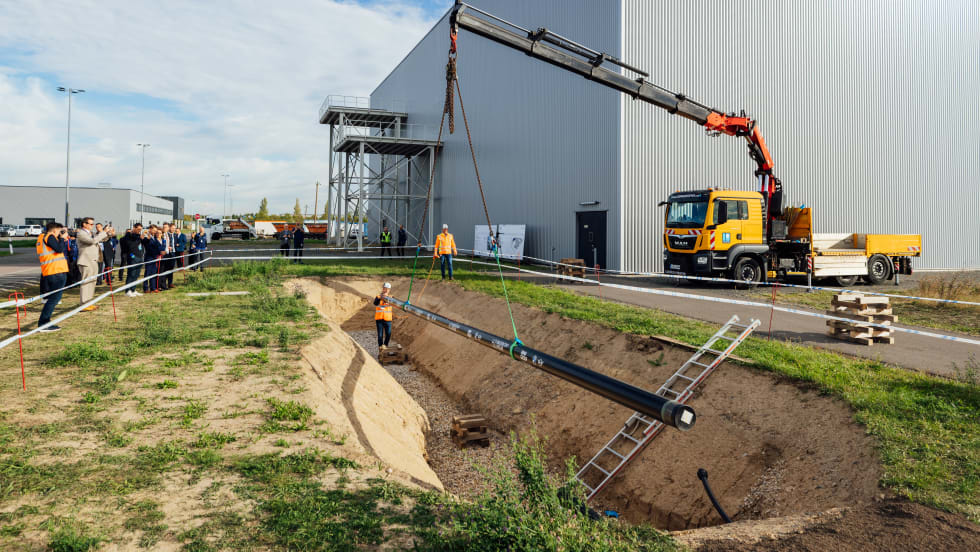
BMW Plant Pursues Cleaner Energy
BMW Group Plant Leipzig has utilized hydrogen to help power its production since 2013, but a new pipeline is planned to take it to another level.
Read More →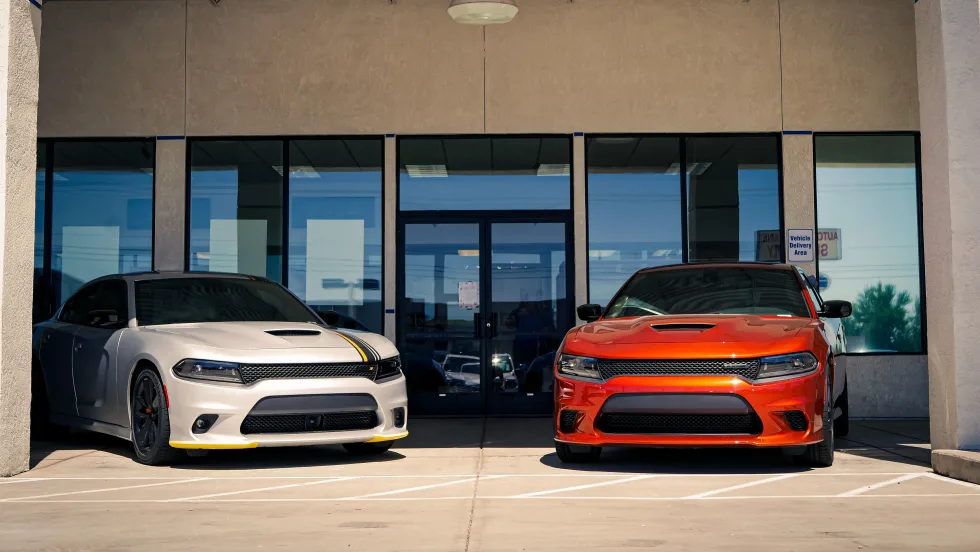
Auto Affordability Inches Up
The latest Cox Automotive and Moody’s Analytics index shows a slight increase in new-vehicle affordability despite high prices.
Read More →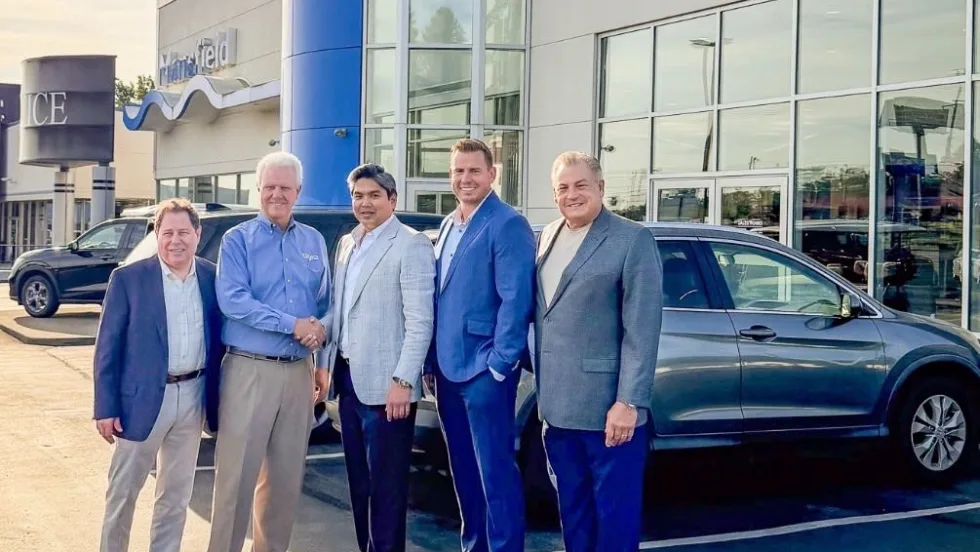
Ohio Auto Group Under New Ownership
After 79 years with the Schluter family, Mansfield Auto Group has been acquired by Missouri-based Clement Auto Group.
Read More →
RV Group Expands Carolina Footprint
Blue Compass RV Columbia Northeast is the 13th RV dealership owned by Blue Compass in the Carolinas.
Read More →
Agent Acumen
An Agent Summit panel of people who’ve been supporting auto dealers for years gave both timely and timeless advice for those starting out or mulling the prospect.
Read More →