



Toyota Secretly Bought Problem Cars, Lawsuit Says

Toyota secretly bought back from U.S. consumers vehicles it found with speed-control defects as part of a strategy to hide unintended-acceleration problems from safety regulators and the public, a revised lawsuit claims.
The repurchase transactions included strict confidentiality agreements barring consumers from disclosing the problem to anyone and from suing the automaker, according to the amended class-action complaint, Reuters reported.
The new complaint also cites internal company records documenting instances in which Toyota Motor Corp technicians or service managers replicated speed-control problems like those reported by customers.
And it says the company's confirmation of at least one clear-cut case of sudden unintended acceleration was concealed rather than reported to federal auto safety regulators.
The enlarged lawsuit, now more than 700 pages long plus hundreds of pages of attached exhibits, was filed on Wednesday in U.S. District Court in Santa Ana, California, south of Los Angeles.
It builds on a case consolidated over the summer from dozens of consumers and businesses claiming economic losses, including diminished vehicle resale values, stemming from complaints of Toyota cars and trucks racing out of control.
The thrust of the lawsuit is the contention that Toyota ignored evidence of speed-control problems in its vehicles for most of the past decade and failed to install a brake override system it knew could have prevented accidents.
Toyota acknowledged in a statement on Thursday that it has repurchased vehicles from customers who complained of unintended acceleration but did so to conduct "further engineering analysis" on the cars.
However, the company said its technicians have never been able to replicate those "acceleration concerns nor found any related issues or conditions in these vehicles."
More Industry
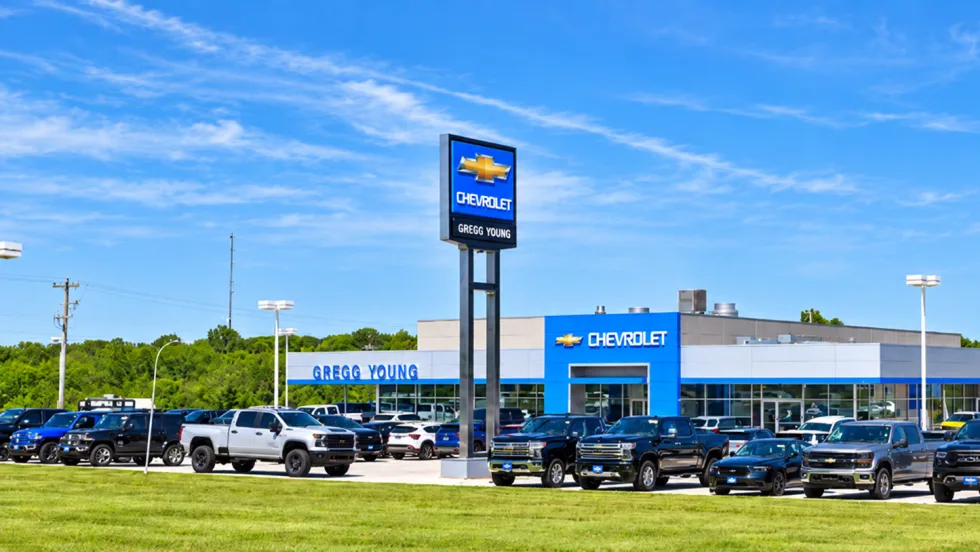
Nebraska Rooftop Changes Hands
The Gregg Young Automotive Group has sold its second dealership to Janssen Auto Group, both in Plattsmouth, Neb.
Read More →
Penske Auto Group Deal a Record
The deal to take the dealership and transportation services company private sets a new pace for industry buy-sell transactions.
Read More →
War Toll a Damper on Used Auto Prices
Cox Automotive found wholesale depreciation to be elevated in September amid high fuel prices and this year's unusual hurricane season.
Read More →
Bridge the Maintenance Gap
With many drivers missing recommended maintenance, service departments offering transparency and efficiency have a better chance of reaching financially strained consumers.
Read More →
California Store Has New Owner
The longtime dealership in the northern part of the state is known for robust fleet sales and has served the state capital for 115 years.
Read More →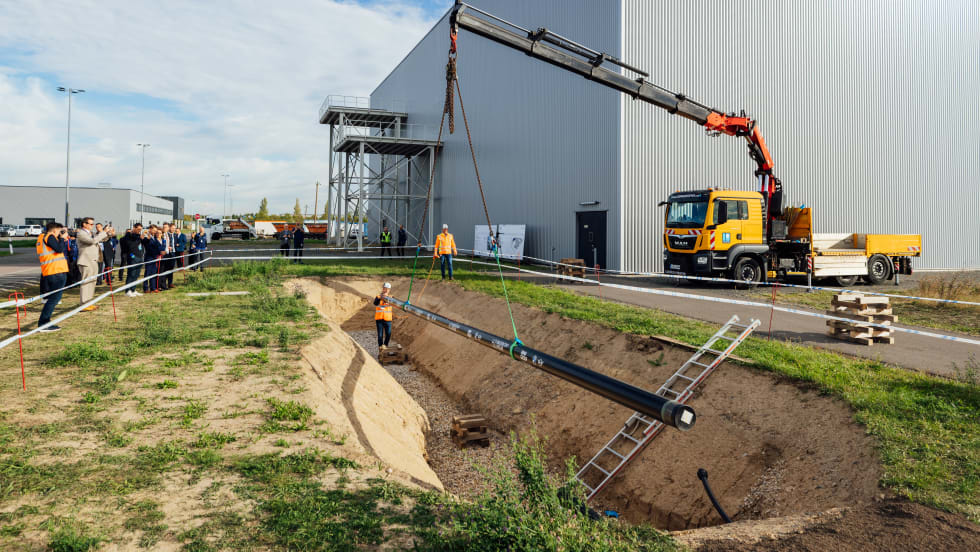
BMW Plant Pursues Cleaner Energy
BMW Group Plant Leipzig has utilized hydrogen to help power its production since 2013, but a new pipeline is planned to take it to another level.
Read More →
Auto Affordability Inches Up
The latest Cox Automotive and Moody’s Analytics index shows a slight increase in new-vehicle affordability despite high prices.
Read More →
Ohio Auto Group Under New Ownership
After 79 years with the Schluter family, Mansfield Auto Group has been acquired by Missouri-based Clement Auto Group.
Read More →
RV Group Expands Carolina Footprint
Blue Compass RV Columbia Northeast is the 13th RV dealership owned by Blue Compass in the Carolinas.
Read More →
Agent Acumen
An Agent Summit panel of people who’ve been supporting auto dealers for years gave both timely and timeless advice for those starting out or mulling the prospect.
Read More →