



Toyota Says It Was Unable to Duplicate Throttle Flaw

Toyota Motor Corp. was always confident in its electronic-throttle technology and was unable to tie the system to the unintended acceleration events in its vehicles that led to record recalls, an executive said.
“We’ve produced 40 million vehicles globally and have not duplicated any issues that would anywhere come close to replicating or suggesting that electronic throttles would lead to unintended acceleration,” Bob Carter, general manager of Toyota brand sales in the U.S., told reporters today at the Chicago Auto Show, reported Bloomberg.
NASA, the U.S. space agency, and the National Highway Traffic Safety Administration said yesterday their probe of possible electronics defects found no cause for unintended acceleration beyond sticking accelerator pedals and floor mats that jammed the pedals. Toyota, the world’s largest automaker, had identified those causes and addressed them with recalls.
The U.S. findings “validated” Toyota’s position that electronics played no part in the incidents and will help to repair the automaker’s reputation among consumers, Carter said. Toyota’s U.S. sales fell 0.4 percent last year, while industrywide deliveries gained 11 percent, according to Autodata Corp.
“If any consumers did have some lingering concerns, to have it validated by NASA and the Department of Transportation is certainly encouraging,” he said.
Toyota last month unveiled the Prius v, a wagon that is larger than the current gasoline-electric sedan, and a concept version that’s smaller than the present model. Gas prices, which Toyota expects to average $3.50 a gallon in the U.S. this summer, may continue to rise and help the line of cars overtake the Camry and Corolla in sales, Carter said.
“As the market continues to evolve and natural resources get depleted and fuel prices go up, I see a day that eventually Prius will become the leader in the Toyota franchise,” he said. “Not short-term, but toward the end of the decade, Prius should be No. 1.”
The automaker plans to introduce a plug-in version of the Prius in the first quarter of 2012, and the model may initially sell for less than $30,000, Carter said.
Toyota’s American depositary receipts, each representing two ordinary shares, rose $1.06, or 1.2 percent, to $89.63 in New York Stock Exchange composite trading. It was the highest closing price in more than a year.
More Industry

RV Group Expands Carolina Footprint
Blue Compass RV Columbia Northeast is the 13th RV dealership owned by Blue Compass in the Carolinas.
Read More →
Agent Acumen
An Agent Summit panel of people who’ve been supporting auto dealers for years gave both timely and timeless advice for those starting out or mulling the prospect.
Read More →
Missed Maintenance Creates Opportunity
As families get back on the road and into daily school routines, service drives have an opportunity to capture customers who are behind on recommended vehicle maintenance.
Read More →
Mitsubishi Unveils U.S. Plan
The automaker announced a strategy that includes an expanded lineup and dealership presence, along with more ‘rugged’ and electric models.
Read More →
Selling to Grow
The question of whether you should sell your agency and if so, when, is up to you. But it’s a question worth asking to ensure you keep the business on the right path for yourself, employees and clients.
Read More →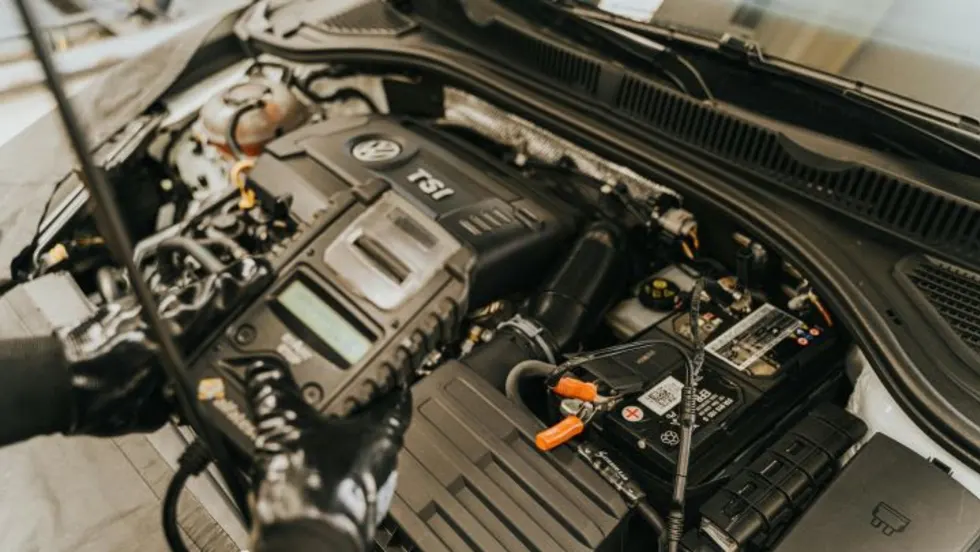
Recalled Vehicles Hit 5-Year High
Though the number of events has fallen so far this year, impacted units are up significantly. Meanwhile, regulators consider consumer notification changes.
Read More →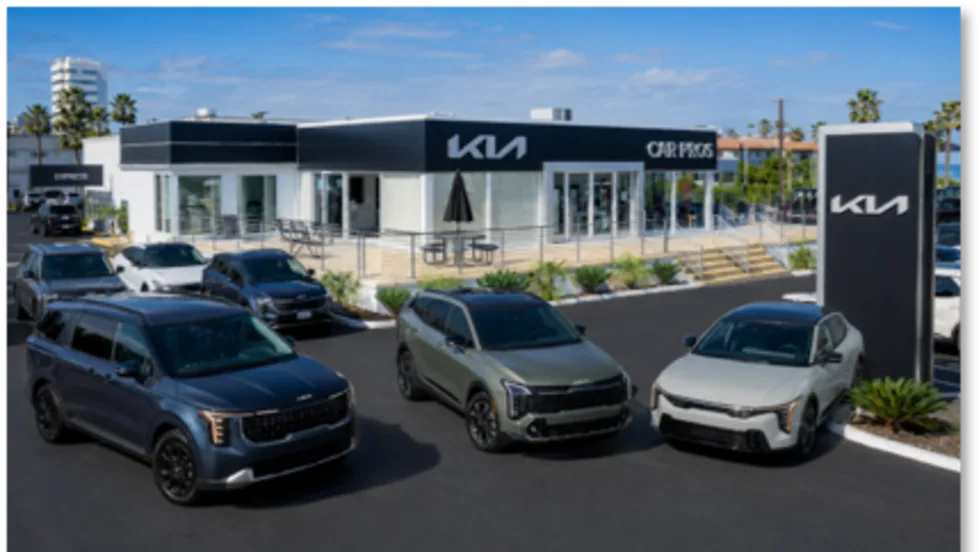
Auto Group Acquires Top-Performing Rooftop
Car Pros sold its Kia Huntington Beach location to Sutherlin Automotive Group, marking the buyer’s third location in Southern California.
Read More →
China as Pacesetter
Automotive leaders huddled on where North America stands in the global picture and how it can strengthen its position against the Asian juggernaut’s surging industry.
Read More →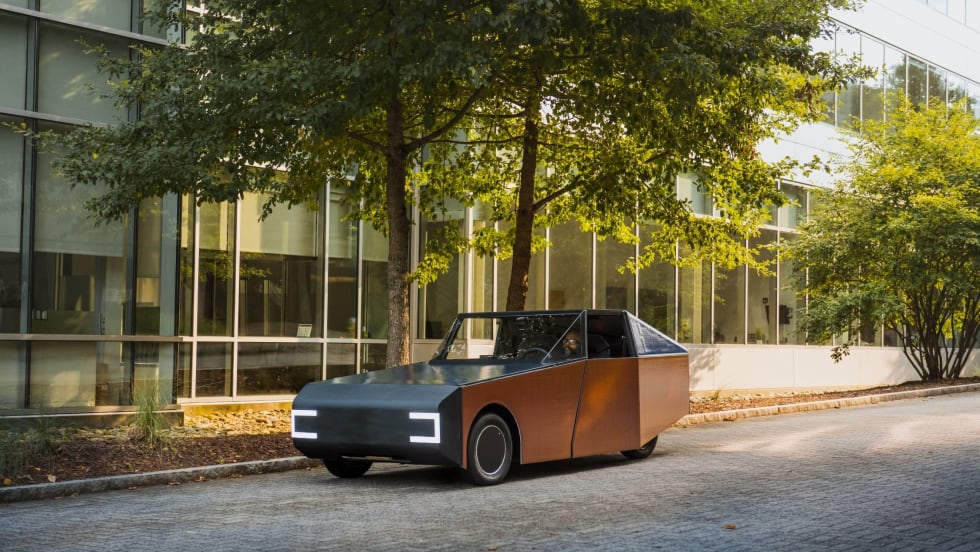
BMW Concept Car Makes Fuel to Burn
The prototype developed in concert with a South Carolina university engineering team generates more solar energy than it uses in a typical daily commute.
Read More →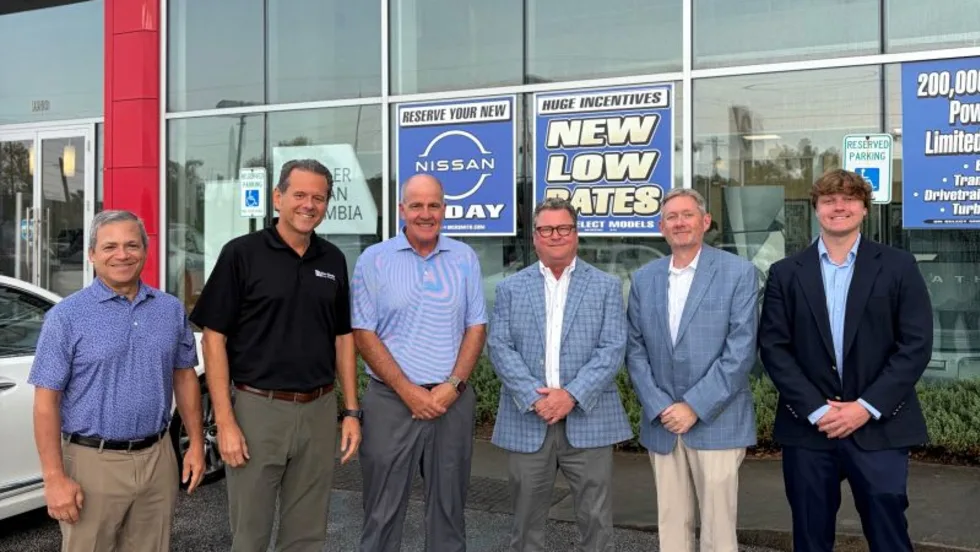
South Carolina Auto Group Downsizes
Florida-based group Holler-Classic has acquired four rooftops, its first in South Carolina, from Dick Smith Automotive Group.
Read More →