



Toyota Residuals Increases Along with Rise in Industry

IRVINE, Calif. - According to Kelley Blue Book Values data to be published in the company's May/June Residual Value Guide, the average year-over-year change in 36-month residual values of new Toyota models is forecasted to increase by 4.2 percentage points (based on the vehicles' MSRP). While Toyota's increase is below the industry average increase of 6.2 percentage points, it still outperforms a number of other brand increases. Year-over-year changes in residual values in the May/June release are largely being driven by changes within the vehicle segments. Kelley Blue Book lowered its outlook on current used Toyota vehicle values in early February, with affected models dropping anywhere from 1-3 percent depending on the model. In early March, Toyota began offering various incentives to bring consumers back to the brand. Toyota's recall, lingering in the press and the introduction of these incentives raised questions about Toyota's residual values. According to Kelley Blue Book analysts, shifts in incentive spending often impact current used-car values much more than future values otherwise known as residual values. At this time, Kelley Blue Book's residual analysts do not believe that the company will make zero percent financing a permanent fixture and therefore values will not be impacted greatly three or four years from now. "Incentives offering lower interest rates have less of an impact on future values than cash incentives," said Eric Ibara, director of residual value consulting, Kelley Blue Book. "Attractive lease payments can increase market penetration for certain models and create a larger volume of lease returns for the banks in the end. What remains to be seen is the larger volume of leases Toyota's incentives create, as the volume is what will have a detrimental impact on future residual values." Toyota's recent attractive incentive offers appear to be driving a rebound in consideration according to Kelley Blue Book Market Intelligence data. Seven percent of car shoppers say they were not considering a Toyota prior to the incentive announcements, but now they are. In addition, the week-over-week percentages of consumers who say they would never consider a Toyota again, decreased (from 17 to 13 percent).
More Industry

Auto Affordability Inches Up
The latest Cox Automotive and Moody’s Analytics index shows a slight increase in new-vehicle affordability despite high prices.
Read More →
Ohio Auto Group Under New Ownership
After 79 years with the Schluter family, Mansfield Auto Group has been acquired by Missouri-based Clement Auto Group.
Read More →
RV Group Expands Carolina Footprint
Blue Compass RV Columbia Northeast is the 13th RV dealership owned by Blue Compass in the Carolinas.
Read More →
Agent Acumen
An Agent Summit panel of people who’ve been supporting auto dealers for years gave both timely and timeless advice for those starting out or mulling the prospect.
Read More →
Missed Maintenance Creates Opportunity
As families get back on the road and into daily school routines, service drives have an opportunity to capture customers who are behind on recommended vehicle maintenance.
Read More →
Mitsubishi Unveils U.S. Plan
The automaker announced a strategy that includes an expanded lineup and dealership presence, along with more ‘rugged’ and electric models.
Read More →
Selling to Grow
The question of whether you should sell your agency and if so, when, is up to you. But it’s a question worth asking to ensure you keep the business on the right path for yourself, employees and clients.
Read More →
Recalled Vehicles Hit 5-Year High
Though the number of events has fallen so far this year, impacted units are up significantly. Meanwhile, regulators consider consumer notification changes.
Read More →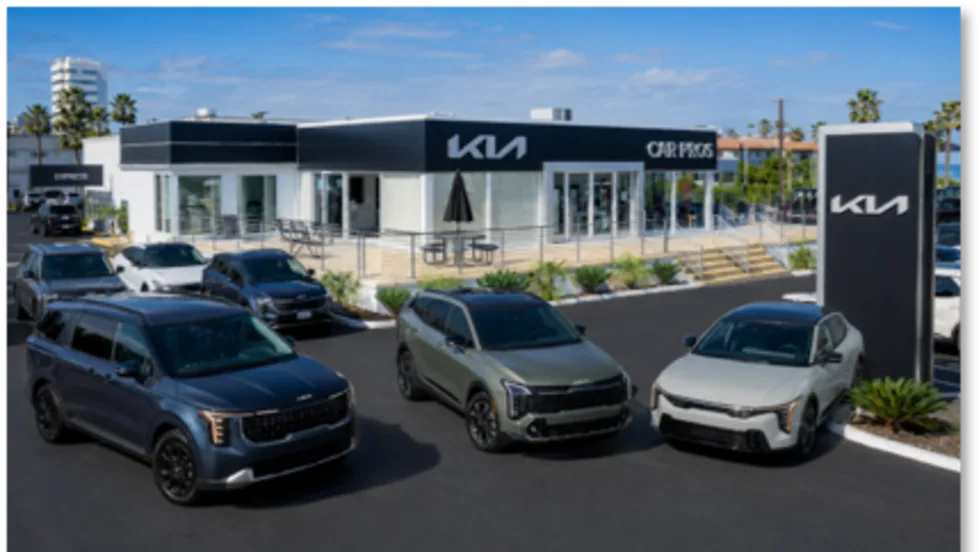
Auto Group Acquires Top-Performing Rooftop
Car Pros sold its Kia Huntington Beach location to Sutherlin Automotive Group, marking the buyer’s third location in Southern California.
Read More →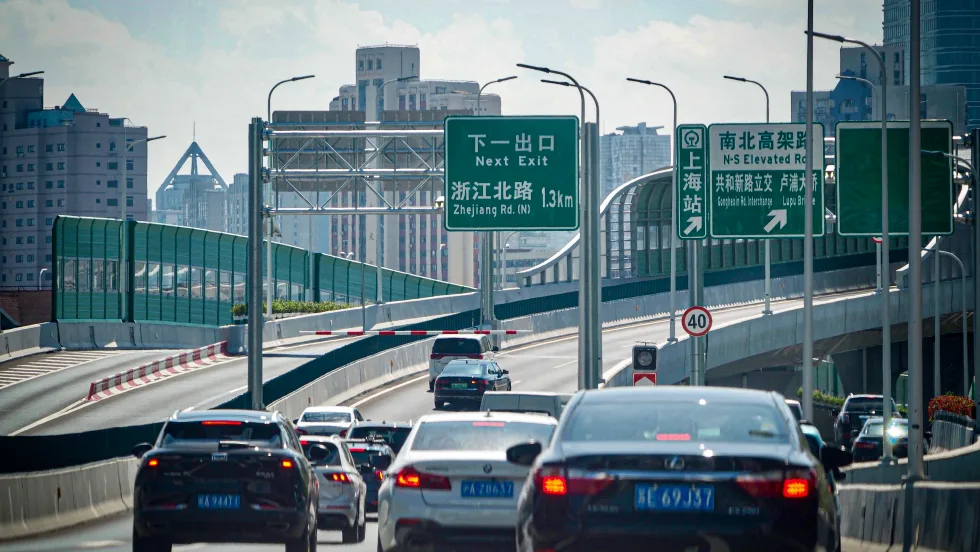
China as Pacesetter
Automotive leaders huddled on where North America stands in the global picture and how it can strengthen its position against the Asian juggernaut’s surging industry.
Read More →