



Toyota Ready to Concede Lexus's Sales Crown

NAGOYA — The head of Toyota Motor Corp.'s Lexus brand said global sales of the upscale vehicles will likely fall short of last year's total, with the brand set to lose its long-held status as the top-selling luxury car in the U.S.
"We would have ended up at the same level as last year, but now we're probably going to be short," Lexus marketing and product planning general manager Karl Schlicht said in an interview.
He blamed the likely fall on a combination of natural disasters in Japan and Thailand, a stronger yen against the dollar and tougher competition in the luxury market, according to The Wall Street Journal.
On Wednesday, Toyota said it would extend production cutbacks through Nov. 12 at several North American plants due to parts shortages from its Thailand operations.
Last month, its U.S. Lexus Division's sales fell 14 percent from a year ago to 18,092 vehicles. Through Oct. 31, total U.S. Lexus sales were 153,739, down 16 percent from the same period a year ago, In contrast, BMW AG sold 246,888 vehicles in the same 10-month period.
Mr. Schlicht, the first non-Japanese manager to run Lexus, acknowledged the division is likely to relinquish its longtime position as the top-selling luxury brand in the U.S.
"To be honest, the competition has gotten stronger, but I don't think it's fair to say we lost the crown this year just because of that," he said, noting production lost due to Japan's March earthquake and the current flooding in Thailand.
Mr. Schlicht said there are no plans to move production of Lexus vehicles from Japan to markets such as the U.S. to cope with the yen's surge to recent all-time highs.
But he indicated that could happen eventually if the Japanese currency stabilizes at the current elevated levels or strengthens further.
"Clearly [Toyota] management understands that if this persists or gets worse we may have to move some production" offshore, he said.
Currently, all Lexus models are made in Japan with the exception of some RX crossover sport-utility vehicles sold in North America, which are produced in Ontario, Canada.
A higher yen erodes the value of dollar-denominated profits and makes Japanese exports less competitive overseas.
Mr. Schlicht said the fall from No. 1 in the U.S. will give Lexus some "breathing space" to prepare for new cars, such as a remodeled GS midsize sedan, noting the brand hasn't introduced a full-size sedan since 2007.
"In some ways, it's kind of a relief that allows us to change the brand direction a bit and refocus on the next generation of cars without having that heavy burden" of being the luxury sales leader in the U.S., Mr. Schlicht said.
The GS, due in showrooms in February, will showcase edgier styling—such as a new front grille with spindles—and a sporty ride, which Toyota hopes will help the brand appeal to younger drivers.
Noting that the average age of Lexus buyers is older than competing brands globally, Mr. Schlicht said the brand is positioning itself to broaden sales beyond the baby boomers that have been its traditional core demographic.
"We're trying to target a different kind of buyer to prepare for the next generation," he said.
While the U.S. is by far the biggest market for Lexus, Mr. Schlicht said that he is encouraged by positive sales trends in China, Europe and Japan.
He noted that the new CT hybrid compact has done well in Europe and Japan, and said China was on track for a record year before the natural disasters disrupted supply.
Last year, Lexus sold 53,000 vehicles in China, 33,000 in Japan and 31,000 in Europe—its top three markets outside of the U.S.
Mr. Schlicht also said Lexus needs to broaden its lineup with more sporty two-door vehicles and hinted a successor to the discontinued SC coupe may be on display at the North American International Auto Show in January.
More Industry

Ohio Auto Group Under New Ownership
After 79 years with the Schluter family, Mansfield Auto Group has been acquired by Missouri-based Clement Auto Group.
Read More →
RV Group Expands Carolina Footprint
Blue Compass RV Columbia Northeast is the 13th RV dealership owned by Blue Compass in the Carolinas.
Read More →
Agent Acumen
An Agent Summit panel of people who’ve been supporting auto dealers for years gave both timely and timeless advice for those starting out or mulling the prospect.
Read More →
Missed Maintenance Creates Opportunity
As families get back on the road and into daily school routines, service drives have an opportunity to capture customers who are behind on recommended vehicle maintenance.
Read More →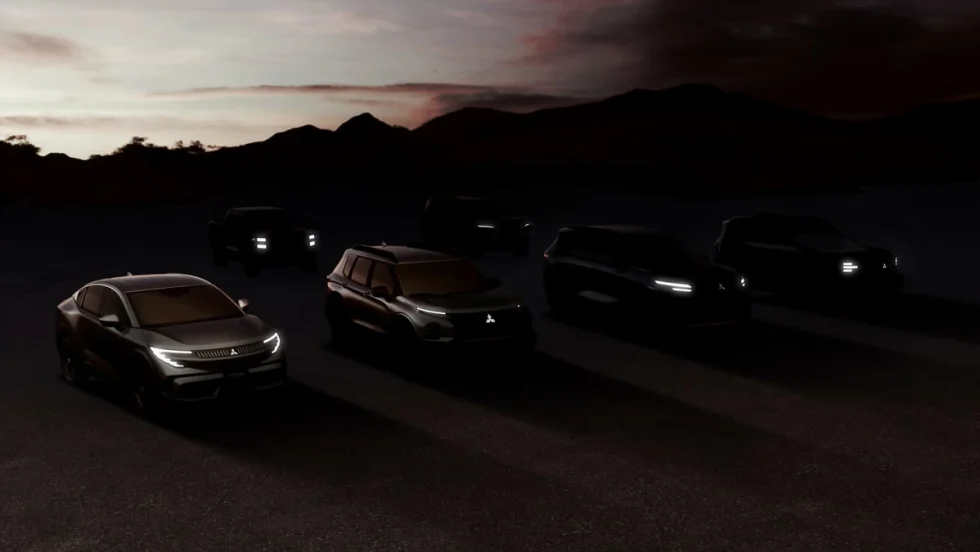
Mitsubishi Unveils U.S. Plan
The automaker announced a strategy that includes an expanded lineup and dealership presence, along with more ‘rugged’ and electric models.
Read More →
Selling to Grow
The question of whether you should sell your agency and if so, when, is up to you. But it’s a question worth asking to ensure you keep the business on the right path for yourself, employees and clients.
Read More →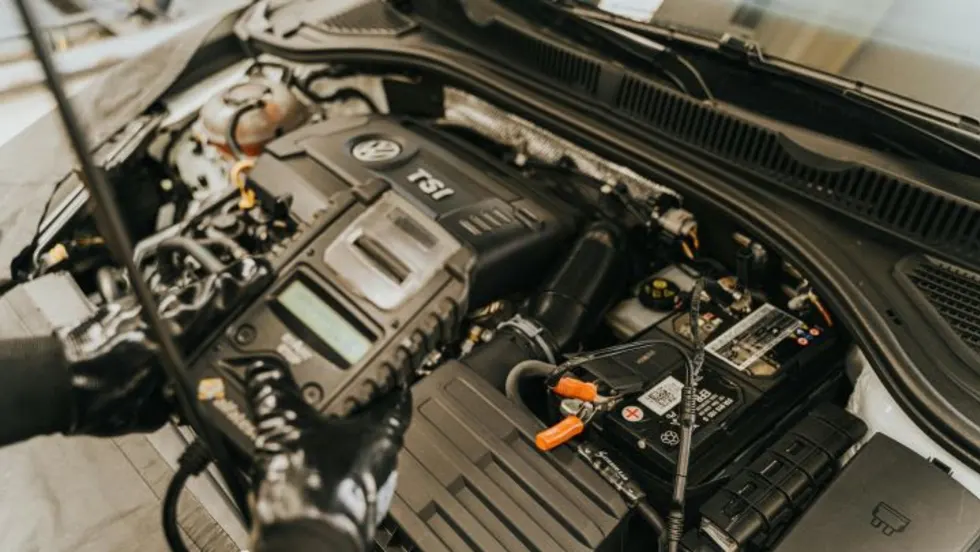
Recalled Vehicles Hit 5-Year High
Though the number of events has fallen so far this year, impacted units are up significantly. Meanwhile, regulators consider consumer notification changes.
Read More →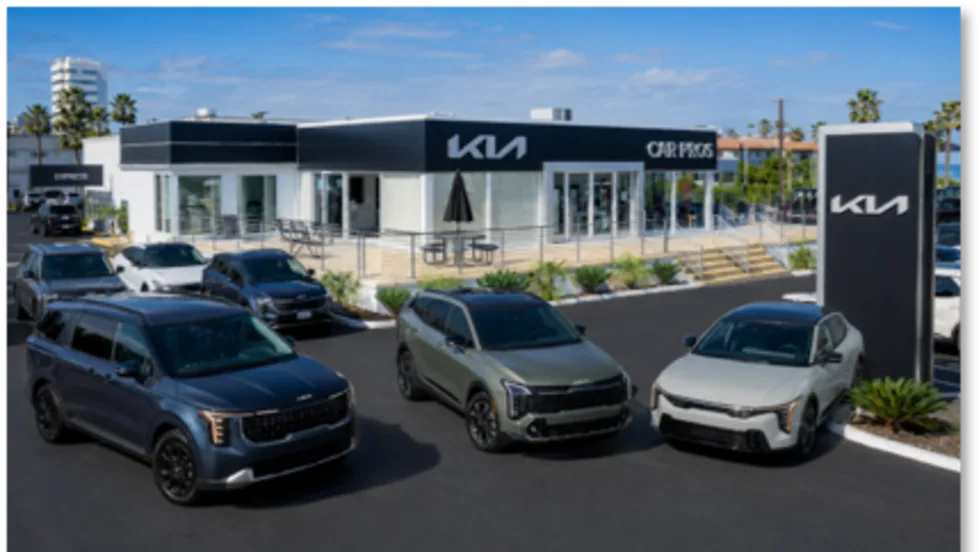
Auto Group Acquires Top-Performing Rooftop
Car Pros sold its Kia Huntington Beach location to Sutherlin Automotive Group, marking the buyer’s third location in Southern California.
Read More →
China as Pacesetter
Automotive leaders huddled on where North America stands in the global picture and how it can strengthen its position against the Asian juggernaut’s surging industry.
Read More →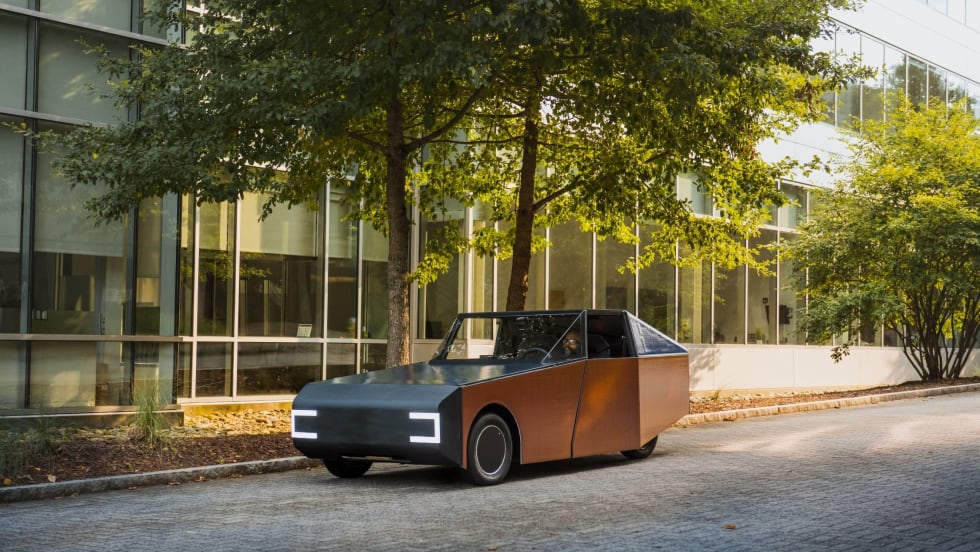
BMW Concept Car Makes Fuel to Burn
The prototype developed in concert with a South Carolina university engineering team generates more solar energy than it uses in a typical daily commute.
Read More →