



Toyota Raises Outlook

TOKYO — Toyota Motor Corp. posted a lower-than-expected increase in fiscal second-quarter net profit but raised its full-year outlook as operating income gains in Asia and North America offset continued losses in Europe and Japan, reported The Wall Street Journal.
Toyota joined a chorus of other Japanese automakers, including Nissan Motor Co. and Honda Motor Co., who upped their full-year earnings forecasts this week but cited the yen's rapid surge against the dollar and other currencies as persistent risk to their bottom lines.
Company officials warn the Japanese currency's rise toward 80 yen to the dollar could pose a major challenge to its earnings growth and even begin to dismantle its vaunted production base in Japan. "If the yen remains elevated at today's exchange rates, it will be hard to maintain our current domestic production levels," said Toyota executive vice president Satoshi Ozawa, speaking at a post-earnings release press conference in Tokyo.
Sales at the world's largest auto maker grew across the board in both the July-September quarter and first six months, with revenue in the three months to Sept. 30 up 5.8% to 4.807 trillion yen ($59.58 billion). Toyota's operating profit in the quarter nearly doubled to 111.46 billion yen. However, nearly two-thirds of those operating gains came from financing as opposed to core auto sales. That indicated Toyota earned more from interest-rate spreads—the difference between the rates at which it borrows and lends money—than from the profit margins on its vehicles.
"Ideally, you want to see the lion's share of profit coming from vehicle sales," said Christopher Richter, an industry analyst in Tokyo with CLSA Asia-Pacific Markets. "Toyota seems to be bumping into the same problem that confronted the [U.S.] Big Three for years in that they made more money from financing cars than selling them."
Net profit at Toyota grew more than fourfold in the July-September quarter to 98.69 billion yen, up from 21.84 billion yen the previous year. But that was below an average estimate of 133.38 billion by five analysts compiled by the financial information provider Nikkei Quick. The company raised its full-year outlook by 10 billion yen to 350 billion yen.
Toyota's sales surged in Japan—still its biggest source of revenue—both in terms of value and volume. But the company appeared to have lost money on every vehicle sold in its home market as it posted a loss of 24.5 billion yen in the second quarter and 52 billion yen for the fiscal half ended Sept. 30.
Toyota's losses in Japan include costs related to global warranty and recall expenses as well as vehicle exports.
The number of vehicles Toyota sold in North America fell by 67,000 units in the first half, but revenue rose 8.7% to 2.821 trillion yen and North American operating income climbed to five times that of the year-earlier period to 145.9 billion yen in the first six months.
The other major bright spot for Toyota was in Asia outside of Japan, where first-half revenue increased 50% to 1.628 trillion yen and operating income more than doubled to 164.2 billion yen. The number of vehicles sold in Asia outside of Japan rose by 153,000 units to 575,000. That doesn't include an additional 409,000 sold through its joint ventures in mainland China.
Toyota reports earnings under U.S. accounting standards.
More Industry

Penske Auto Group Deal a Record
The deal to take the dealership and transportation services company private sets a new pace for industry buy-sell transactions.
Read More →
War Toll a Damper on Used Auto Prices
Cox Automotive found wholesale depreciation to be elevated in September amid high fuel prices and this year's unusual hurricane season.
Read More →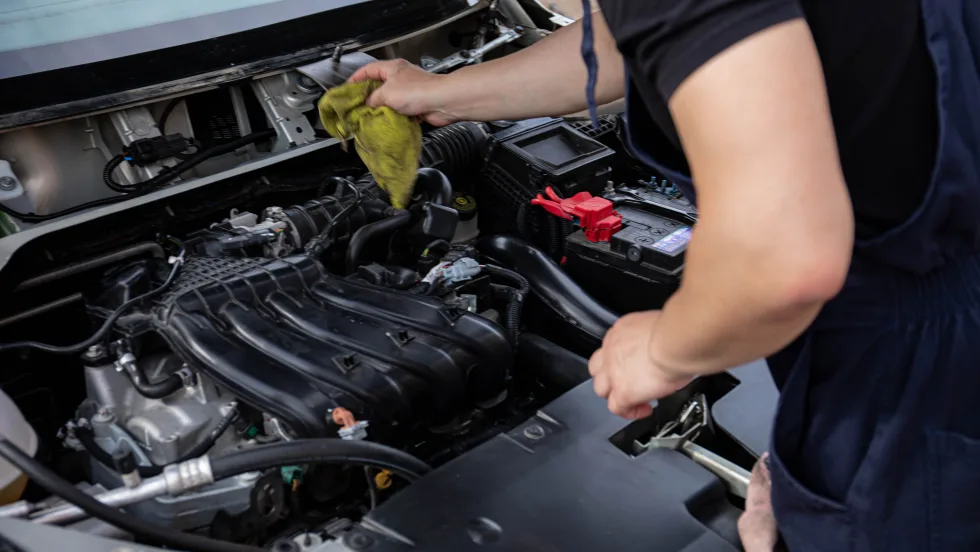
Bridge the Maintenance Gap
With many drivers missing recommended maintenance, service departments offering transparency and efficiency have a better chance of reaching financially strained consumers.
Read More →
California Store Has New Owner
The longtime dealership in the northern part of the state is known for robust fleet sales and has served the state capital for 115 years.
Read More →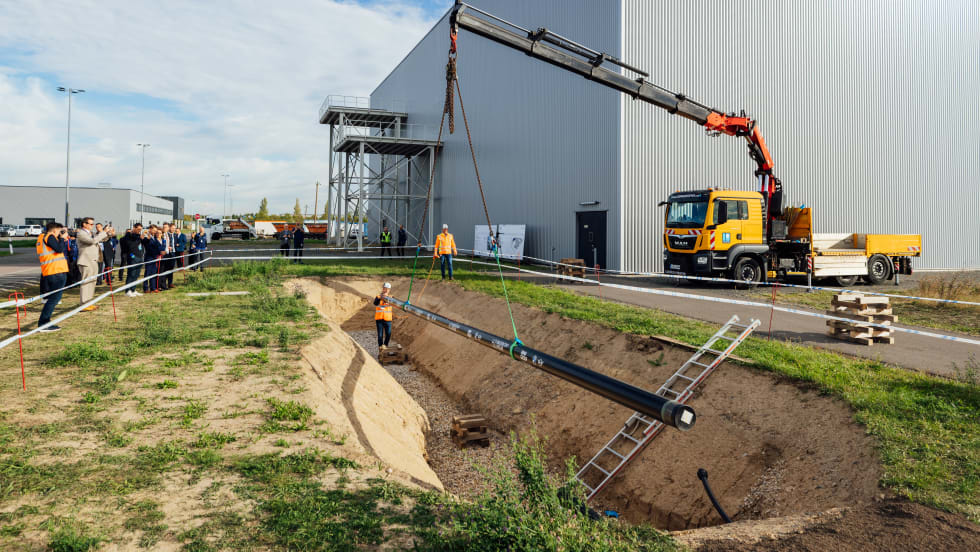
BMW Plant Pursues Cleaner Energy
BMW Group Plant Leipzig has utilized hydrogen to help power its production since 2013, but a new pipeline is planned to take it to another level.
Read More →
Auto Affordability Inches Up
The latest Cox Automotive and Moody’s Analytics index shows a slight increase in new-vehicle affordability despite high prices.
Read More →
Ohio Auto Group Under New Ownership
After 79 years with the Schluter family, Mansfield Auto Group has been acquired by Missouri-based Clement Auto Group.
Read More →
RV Group Expands Carolina Footprint
Blue Compass RV Columbia Northeast is the 13th RV dealership owned by Blue Compass in the Carolinas.
Read More →
Agent Acumen
An Agent Summit panel of people who’ve been supporting auto dealers for years gave both timely and timeless advice for those starting out or mulling the prospect.
Read More →
Missed Maintenance Creates Opportunity
As families get back on the road and into daily school routines, service drives have an opportunity to capture customers who are behind on recommended vehicle maintenance.
Read More →