



Toyota, Nissan, Honda Halt Japan Output

Japan's leading automakers are suspending production at their domestic plants on Monday as they assess the condition of their factories and parts suppliers after Friday's devastating earthquake and tsunami.
They did not say when they would resume production, reported The Detroit News.
Toyota Motor Corp., Nissan Motor Co. and Honda Motor Co. reported damage to more than a dozen plants and facilities, mostly in and around the hardest-hit Tohoku region more than 200 miles north of Tokyo.
Japan's industrial heartland in the central part of Honshu island wasn't hit as hard, however, by the quake and wasn't struck by the tsunami that caused most of the devastation in the northeastern region and in parts of Hokkaido island, farther to the north.
Toyota's big plants southwest of Tokyo were able to resume operations Friday, but the automaker is halting its domestic output for Monday as the country grapples with what Prime Minister Naoto Kan called the biggest crisis since World War II.
"Toyota has decided to suspend production at all Toyota Motor Corp. plants, as well as all subsidiary vehicle-manufacturing plants on Monday," the automaker said.
On Friday, it reported damage at four subsidiary, or part-owned, plants in areas hit by the quake and subsequent tidal surge. The employees had been evacuated.
"We are now conducting a detailed survey of each plant to determine the extent of any damage," Toyota said in a statement. "We are also assessing the situation at our suppliers, dealers and the impact on North American import vehicles."
Two of the four affected subsidiary plants produce Scion xB and xD models, as well as small Toyota Yaris cars.
Nissan, Japan's second-largest carmaker, also suspended production as it reviewed its operations.
"Our first priority on Friday was, are our people OK?" said Nissan communications and marketing director Simon Sproule. "What's uncertain now is the extent of the damage to suppliers, particularly small suppliers in remote areas. That's what we're looking at now."
As to when production will resume, Nissan said in a statement: "No decision has been made as we are continuing to assess the damage to our facilities and equipment, as well as discussing parts delivery with our suppliers."
At least six of its plants suffered some damage to buildings and equipment, as did some of its facilities on the Pacific coast.
Nissan said 1,300 U.S.-bound vehicles were damaged at the port of Hitachi, north of Tokyo, and another 1,000 at the Miyagi Service Center suffered damage when the tsunami swept ashore.
Honda said its two main assembly plants will be closed Monday as well as several components factories. The Sayama plant, which turns out CR-V, Accord, U.S. Fit, Acura RL and TSX models, also was closed Friday. Honda's Suzuka plant, which produces the Civic, Civic Hybrid, Insight and hybrid CR-Z, was operating on Friday but will be closed Monday.
Honda said the disruptions in Japan would not have an immediate impact on its North American operations, which produce 90 percent of the vehicles Honda sells in the United States. The majority of Toyota's U.S. Sales also are produced in North America.
"It is too early to fully assess the implications of this week's very tragic events in Japan," Itay Michaeli, auto analyst at Citi Investment Research & Analysis, wrote in a report issued Sunday.
He said that out of the total annual Japanese vehicle exports of 4.8 million, more than 1.6 million are shipped to the United States.
"Key questions now include the extent of production shutdowns and related supply chain issues — conditions at ports, available air freight for outgoing components," he said. "For now, Japanese automakers have roughly a 60-day U.S. supply of vehicles."
More Industry

RV Group Expands Carolina Footprint
Blue Compass RV Columbia Northeast is the 13th RV dealership owned by Blue Compass in the Carolinas.
Read More →
Agent Acumen
An Agent Summit panel of people who’ve been supporting auto dealers for years gave both timely and timeless advice for those starting out or mulling the prospect.
Read More →
Missed Maintenance Creates Opportunity
As families get back on the road and into daily school routines, service drives have an opportunity to capture customers who are behind on recommended vehicle maintenance.
Read More →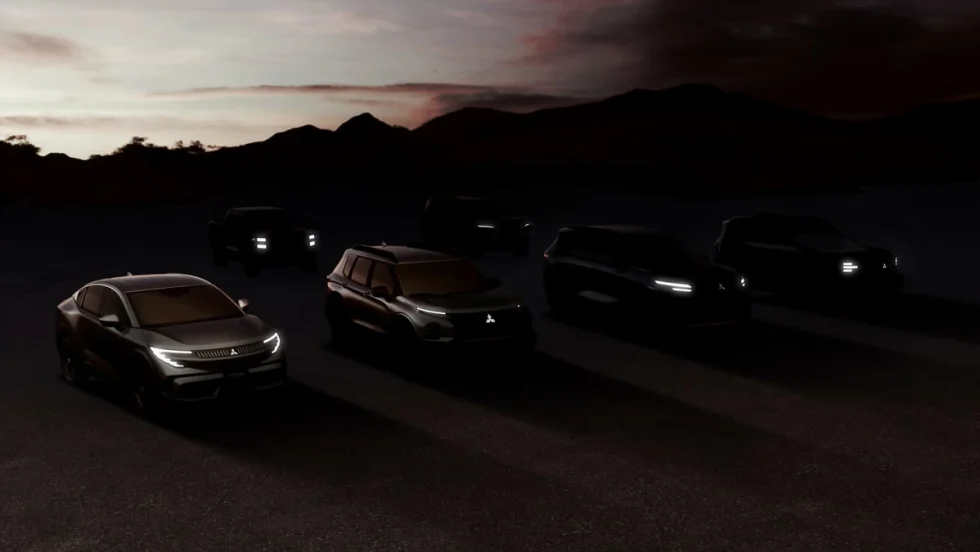
Mitsubishi Unveils U.S. Plan
The automaker announced a strategy that includes an expanded lineup and dealership presence, along with more ‘rugged’ and electric models.
Read More →
Selling to Grow
The question of whether you should sell your agency and if so, when, is up to you. But it’s a question worth asking to ensure you keep the business on the right path for yourself, employees and clients.
Read More →
Recalled Vehicles Hit 5-Year High
Though the number of events has fallen so far this year, impacted units are up significantly. Meanwhile, regulators consider consumer notification changes.
Read More →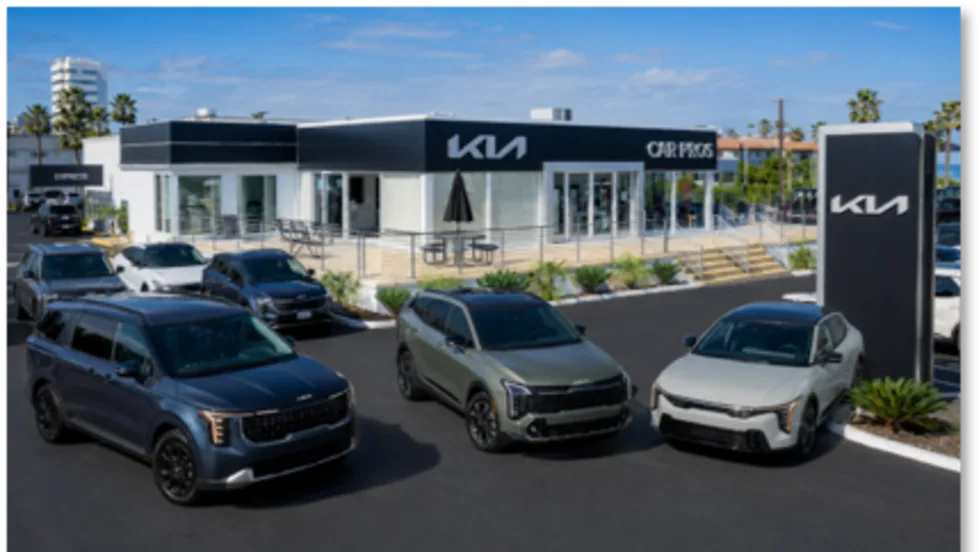
Auto Group Acquires Top-Performing Rooftop
Car Pros sold its Kia Huntington Beach location to Sutherlin Automotive Group, marking the buyer’s third location in Southern California.
Read More →
China as Pacesetter
Automotive leaders huddled on where North America stands in the global picture and how it can strengthen its position against the Asian juggernaut’s surging industry.
Read More →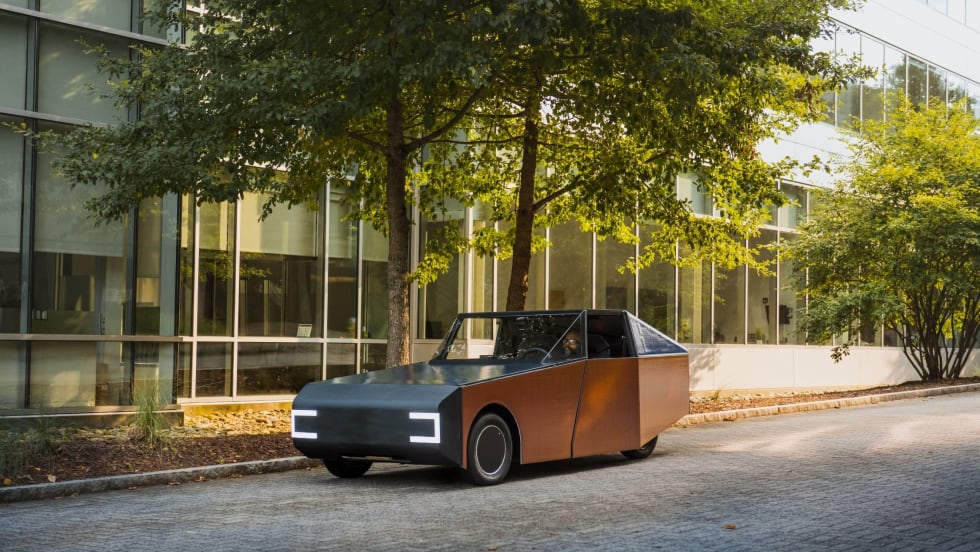
BMW Concept Car Makes Fuel to Burn
The prototype developed in concert with a South Carolina university engineering team generates more solar energy than it uses in a typical daily commute.
Read More →
South Carolina Auto Group Downsizes
Florida-based group Holler-Classic has acquired four rooftops, its first in South Carolina, from Dick Smith Automotive Group.
Read More →