



Toyota Must Face Class-Action Suits Over Vehicles' Lost Value, Judge Rules

Toyota Motor Corp., the automaker that recalled more than 8 million vehicles related to sudden acceleration problems, must face class-action lawsuits filed by car owners claiming economic losses, a U.S. judge ruled.
The car owners’ lawyers provided sufficient evidence to allow their cases to go forward, U.S. District Judge James V. Selna in Santa Ana, California, said yesterday, making final a tentative ruling issued Nov. 19. Toyota sought dismissal of the suits, contending the plaintiffs failed to plead specific losses or identify an actual defect, reported Bloomberg.
“It is true that plaintiffs do not generally allege the precise dollar value of their losses, but that level of specificity is not required at the pleadings state,” Selna said in yesterday’s ruling. “The court is convinced that a safety consideration as fundamental as whether a car is able to stop when the brakes are applied is material to consumers.”
The economic-loss lawsuits, combined for pretrial filings and rulings before Selna, claim Toyota drove down the value of vehicles by failing to fix or disclose defects that triggered unintended acceleration. Federal court lawsuits claiming death or injury caused by such episodes are also combined in the Santa Ana court.
In September 2009, Toyota announced a recall of 3.8 million Toyota and Lexus vehicles, saying floor mats might jam accelerator pedals. The company, based in Toyota City, Japan, later recalled vehicles over the pedals themselves.
‘Merits’ Unaddressed
“Importantly, this ruling does not address the merits of plaintiffs’ allegations and does not consider any evidence,” Celeste Migliore, a Toyota spokeswoman, said yesterday in an e- mailed statement.
“At this early stage, this analysis by the court requires a basic assumption that the plaintiffs’ allegations are true, even though they are unproven,” she said. “The burden is now squarely on plaintiffs’ counsel to prove their allegations and Toyota is confident that no such proof exists.”
The lawsuits are “based on a wholly unsubstantiated claim that there is a defect in Toyota’s electronic throttle control system that causes unintended acceleration,” Migliore said. “No credible scientific theory or proof has been advanced to support the allegations in their consolidated complaint.”
Selna rejected Toyota’s request to dismiss a claim that the company knew of a defect in the vehicles’ electronic throttle- control system and concealed it from consumers.
‘Sufficiently Alleged’
“Plaintiffs have sufficiently alleged that Toyota had exclusive knowledge of material facts not known to plaintiffs and actively concealed those facts,” Selna wrote.
Toyota also had said the consumers couldn’t sue for losses on vehicles that hadn’t experienced a sudden, unintended acceleration defect.
“The court agrees with plaintiffs that experiencing an SUA defect is not required for standing,” Selna said.
Selna dismissed the consumers’ claim of unjust enrichment, finding it wasn’t a proper cause of action under California law. He also dismissed some warranty claims, including one alleging that Toyota’s advertising created an express warranty.
“We are pleased that the Court found that specific categories of plaintiffs’ claims for express warranty based upon alleged design defect, unjust enrichment and revocation of acceptance, as currently pled, should be dismissed,” Migliore said.
Steve W. Berman, co-lead counsel for consumers in the case, said in a statement that he looked forward to moving forward with a case that is very important to Toyota owners.
“We believe -- and intend to prove -- that Toyota knew the gravity of this issue, and failed to warn consumers, or take action to address the serious problem of unintended acceleration.”
The cases are combined as In re Toyota Motor Corp. Unintended Acceleration Marketing, Sales Practices and Products Liability Litigation, 8:10-ml-02151, U.S. District Court, Central District of California (Santa Ana).
More Industry

Auto Affordability Inches Up
The latest Cox Automotive and Moody’s Analytics index shows a slight increase in new-vehicle affordability despite high prices.
Read More →
Ohio Auto Group Under New Ownership
After 79 years with the Schluter family, Mansfield Auto Group has been acquired by Missouri-based Clement Auto Group.
Read More →
RV Group Expands Carolina Footprint
Blue Compass RV Columbia Northeast is the 13th RV dealership owned by Blue Compass in the Carolinas.
Read More →
Agent Acumen
An Agent Summit panel of people who’ve been supporting auto dealers for years gave both timely and timeless advice for those starting out or mulling the prospect.
Read More →
Missed Maintenance Creates Opportunity
As families get back on the road and into daily school routines, service drives have an opportunity to capture customers who are behind on recommended vehicle maintenance.
Read More →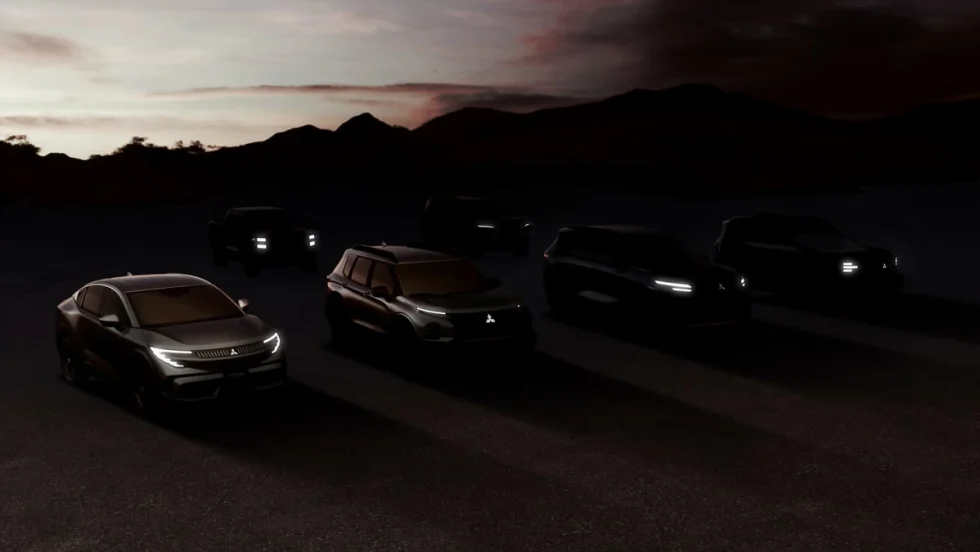
Mitsubishi Unveils U.S. Plan
The automaker announced a strategy that includes an expanded lineup and dealership presence, along with more ‘rugged’ and electric models.
Read More →
Selling to Grow
The question of whether you should sell your agency and if so, when, is up to you. But it’s a question worth asking to ensure you keep the business on the right path for yourself, employees and clients.
Read More →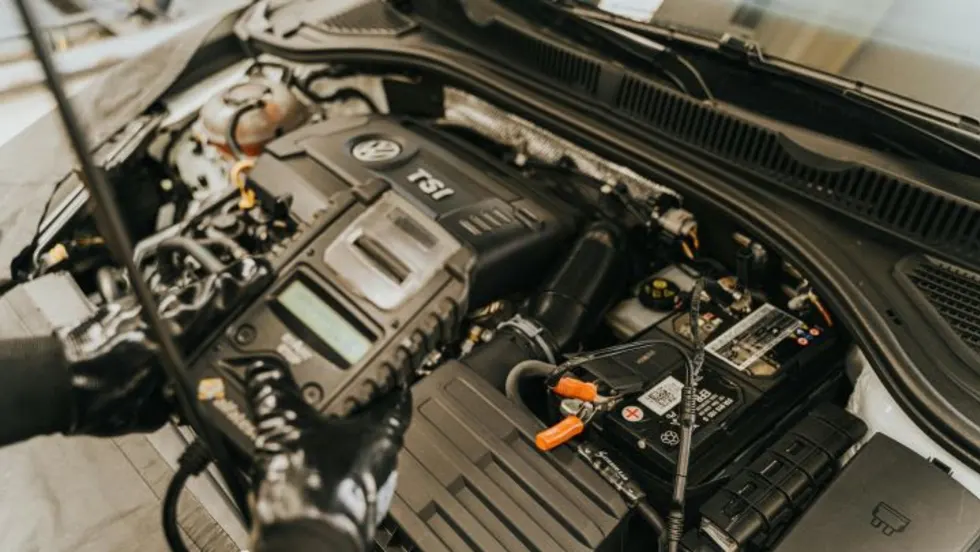
Recalled Vehicles Hit 5-Year High
Though the number of events has fallen so far this year, impacted units are up significantly. Meanwhile, regulators consider consumer notification changes.
Read More →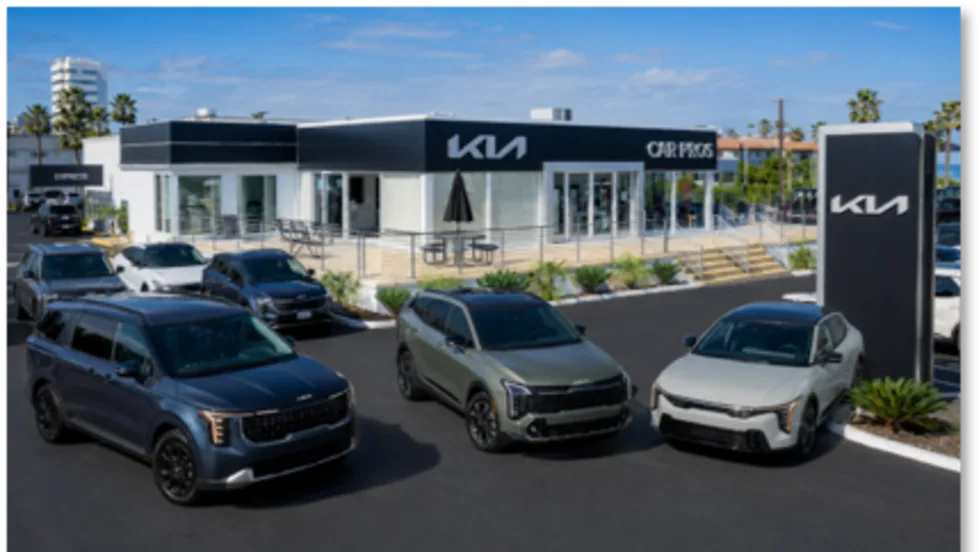
Auto Group Acquires Top-Performing Rooftop
Car Pros sold its Kia Huntington Beach location to Sutherlin Automotive Group, marking the buyer’s third location in Southern California.
Read More →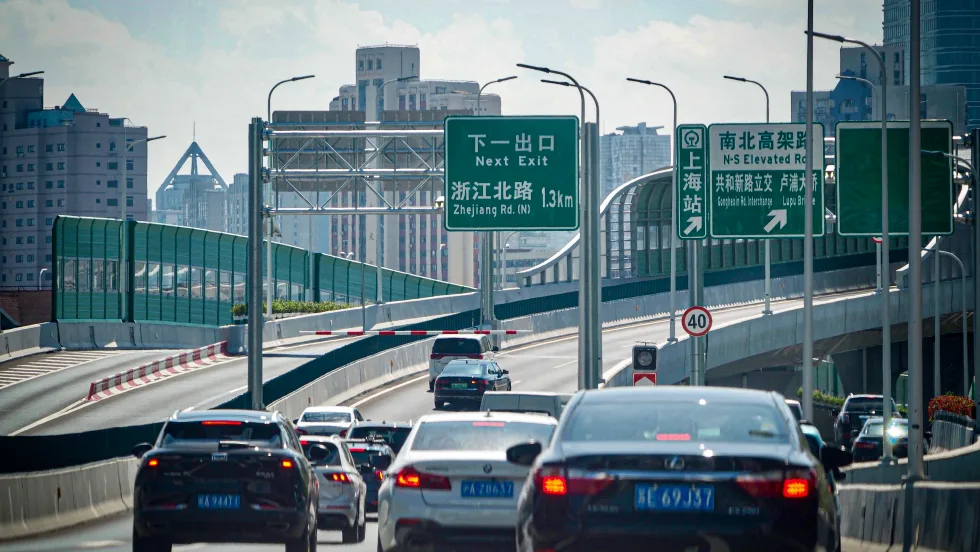
China as Pacesetter
Automotive leaders huddled on where North America stands in the global picture and how it can strengthen its position against the Asian juggernaut’s surging industry.
Read More →