



Toyota Hydrogen Fuel Cell Project Advances
Less than a year after it produced the first prototype, it’s now testing and marketing 10 Hiluxes in its quest for carbon neutrality.

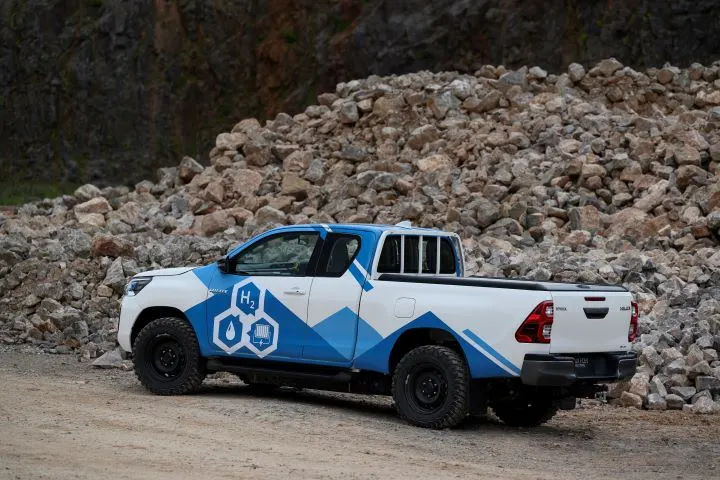
Toyota says the Hilux project 'will contribute to the next generation of fuel cell technology, which will offer longer lifecycles, increased driving range for vehicles and significantly reduced costs.'
Toyota
Toyota entered the demonstration phase of its hydrogen fuel cell project, taking half of 10 Hilux pickup truck prototypes it’s built since last fall into field testing and the other half into customer and media demonstrations.
“By engaging customers with hydrogen fuel cell technology, Toyota is laying the groundwork for a successful hydrogen transport sector in the future,” the Japanese automaker said in a press release.
The demonstration trucks will make appearances at the summer Olympic games in Paris.
Toyota touts the hydrogen-fueled vehicles as a spoke in a wheel of power trains to achieve its goal of carbon neutrality for its lineup “to suit different user needs and local infrastructure.”
The other spokes are hybrid electric, plug-in hybrid electric, battery electric and e-fuels.
The 10 Hilux were built at its Derby, England factory, incorporating what Toyota says is 30 years of hydrogen fuel cell research and development. It says it expects Europe to be one of the biggest commercial markets for hydrogen fuel cell vehicles by 2030.
Toyota says the Hilux project “will contribute to the next generation of fuel cell technology, which will offer longer lifecycles, increased driving range for vehicles and significantly reduced costs.”
The Hilux adapts the emerging power train technology to Toyota’s conventional Hilux truck, first produced in 1968 and introduced to the U.S. market in 1972, replacing it here with the Tacoma in 1995.
DIG DEEPER: Final Fuel-Economy Rule Sets Lower Bar
Originally posted on Auto Dealer Today
More Industry
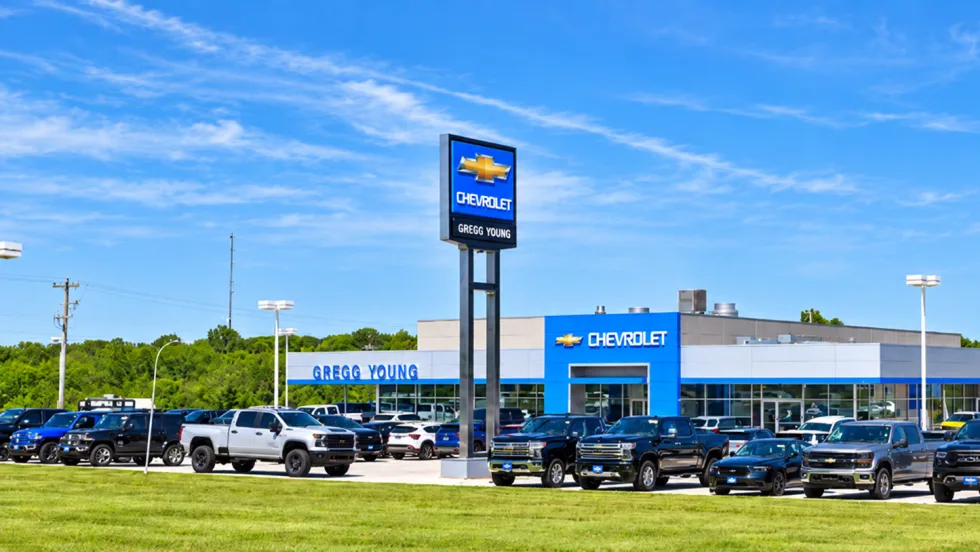
Nebraska Rooftop Changes Hands
The Gregg Young Automotive Group has sold its second dealership to Janssen Auto Group, both in Plattsmouth, Neb.
Read More →
Penske Auto Group Deal a Record
The deal to take the dealership and transportation services company private sets a new pace for industry buy-sell transactions.
Read More →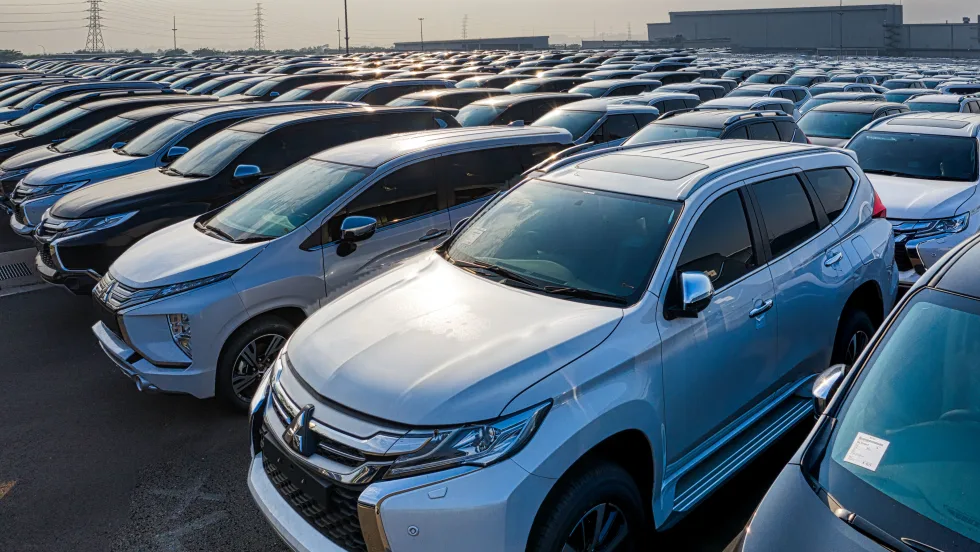
War Toll a Damper on Used Auto Prices
Cox Automotive found wholesale depreciation to be elevated in September amid high fuel prices and this year's unusual hurricane season.
Read More →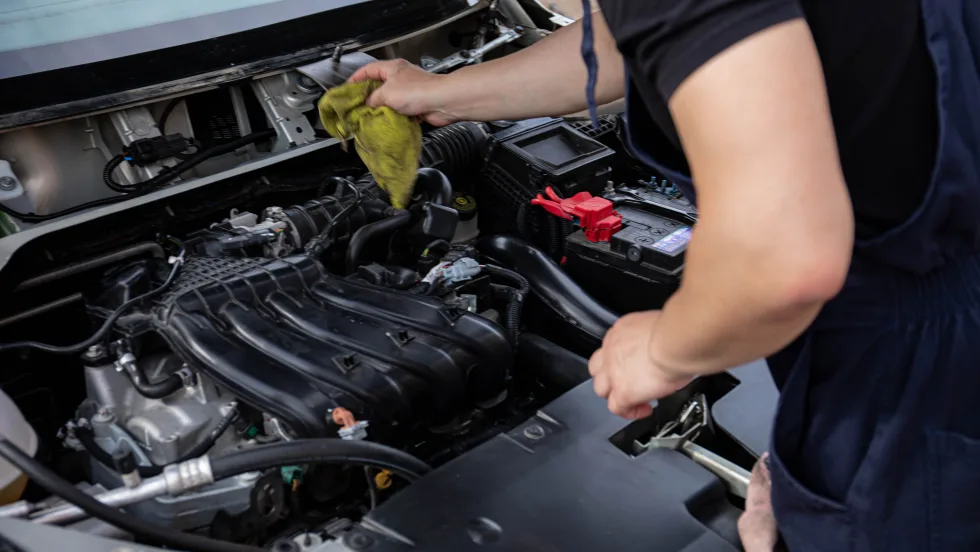
Bridge the Maintenance Gap
With many drivers missing recommended maintenance, service departments offering transparency and efficiency have a better chance of reaching financially strained consumers.
Read More →
California Store Has New Owner
The longtime dealership in the northern part of the state is known for robust fleet sales and has served the state capital for 115 years.
Read More →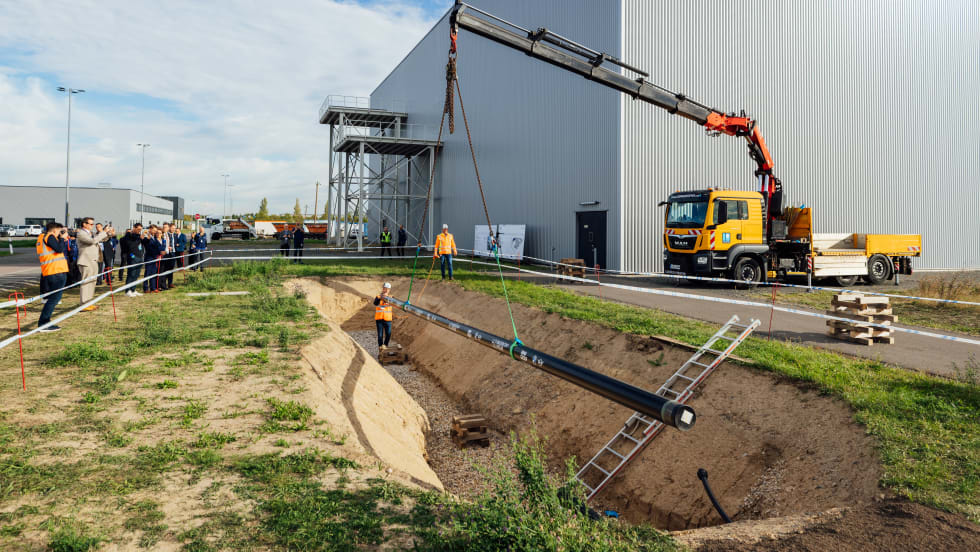
BMW Plant Pursues Cleaner Energy
BMW Group Plant Leipzig has utilized hydrogen to help power its production since 2013, but a new pipeline is planned to take it to another level.
Read More →
Auto Affordability Inches Up
The latest Cox Automotive and Moody’s Analytics index shows a slight increase in new-vehicle affordability despite high prices.
Read More →
Ohio Auto Group Under New Ownership
After 79 years with the Schluter family, Mansfield Auto Group has been acquired by Missouri-based Clement Auto Group.
Read More →
RV Group Expands Carolina Footprint
Blue Compass RV Columbia Northeast is the 13th RV dealership owned by Blue Compass in the Carolinas.
Read More →
Agent Acumen
An Agent Summit panel of people who’ve been supporting auto dealers for years gave both timely and timeless advice for those starting out or mulling the prospect.
Read More →