



Toyota Feels Exchange-Rate Pinch as Rivals Gain

TOKYO — For all the turmoil over Toyota’s wave of recalls, the company, the world’s largest automaker, may face a bigger problem: the surging yen.
With the yen at 15-year highs against the dollar, a 9-year peak versus the euro and still near recent heights against the won, Toyota is finding that its cars have become too expensive to compete in the increasingly cutthroat global auto market, reported The New York Times. That has created inroads around the world for its non-Japanese rivals, like Volkswagen of Germany, Hyundai of South Korea and the Detroit automakers, all of which are benefiting from relatively weaker currencies.
Hyundai is rapidly increasing its share in major markets, including the United States and China, using record profit to offer aggressive sales incentives that Toyota is struggling to match.
Volkswagen continues to dominate in Europe and across much of the Asia-Pacific region. Its chief executive, Martin Winterkorn, has said the automaker aims to be the world’s largest in sales by 2018, up from its current third place.
Analysts say the yen, which started soaring as a refuge currency in late 2008 in response to the global financial crisis, has highlighted a flaw in Toyota’s global production setup. The problem, they say, is that the company depends too heavily on factories and suppliers in its high-cost homeland.
Although Toyota is taking steps to improve the ratio, about half of its cars are still assembled in Japan, many of them then shipped overseas.
“Before the yen’s surge, Toyota got by with exporting lots of cars, even though it was aware that posed a big currency risk,” said Takashi Akiyama, vice president at SC-Abeam Automotive Consulting, based in Tokyo.
“They held out for as long as they could, but now they’re seeing the consequences of stalling,” Mr. Akiyama said.
Other big Japanese exporters, like Honda, Nissan, Sony and Canon, feel the yen’s burden, too. The country’s export growth slowed for the fifth consecutive month in July, weighed down by the strong yen. But because they have moved more of their production overseas in recent years, those companies suffer much less from currency imbalances.
The difference is laid bare in a startling statistic: For every yen that the Japanese currency gains in value against its assumed dollar rate of ¥90, Toyota says, it loses ¥30 billion, or $357 million, in operating profit. If the exchange rate stays at the current ¥84 to a dollar, Toyota’s operating profit for its financial year ending next March, which the company forecasts will reach ¥330 billion, could fall by half.
By that same measure, Nissan says it loses only half as much for each yen’s gain against the dollar — about ¥15 billion yen. Sony loses but ¥2 billion.
More Industry

Penske Auto Group Deal a Record
The deal to take the dealership and transportation services company private sets a new pace for industry buy-sell transactions.
Read More →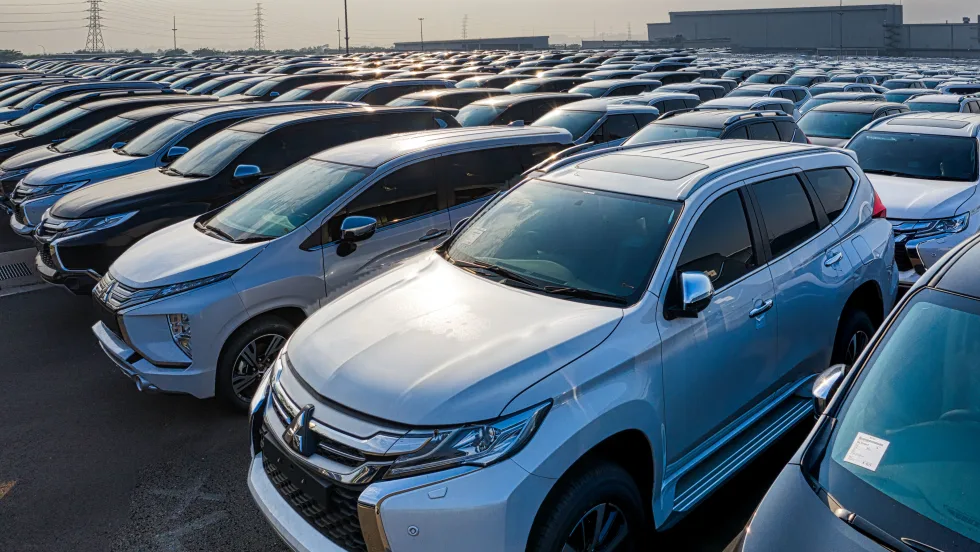
War Toll a Damper on Used Auto Prices
Cox Automotive found wholesale depreciation to be elevated in September amid high fuel prices and this year's unusual hurricane season.
Read More →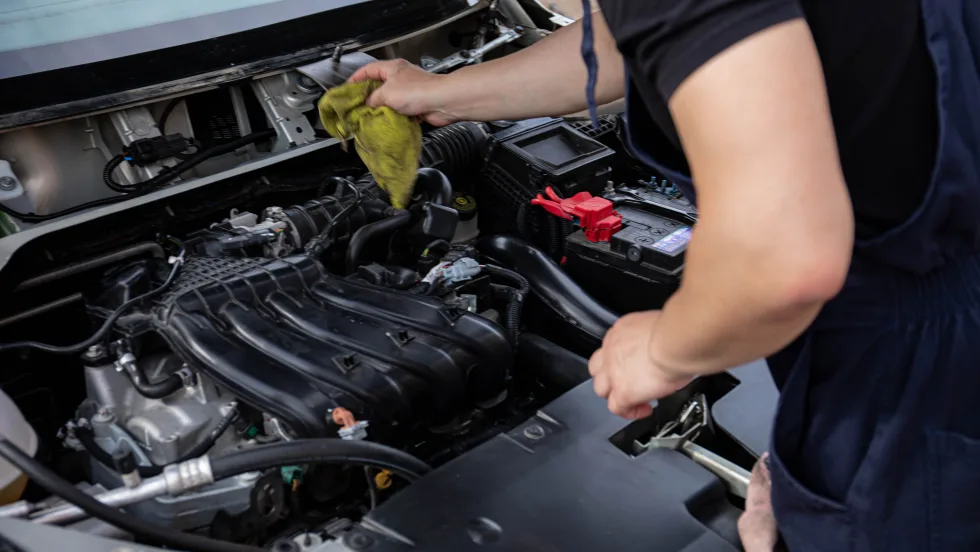
Bridge the Maintenance Gap
With many drivers missing recommended maintenance, service departments offering transparency and efficiency have a better chance of reaching financially strained consumers.
Read More →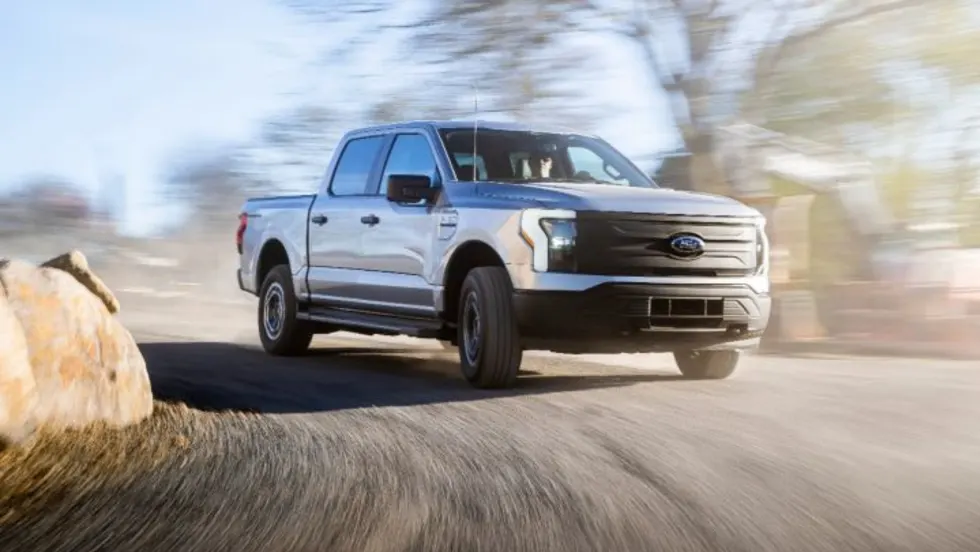
California Store Has New Owner
The longtime dealership in the northern part of the state is known for robust fleet sales and has served the state capital for 115 years.
Read More →
BMW Plant Pursues Cleaner Energy
BMW Group Plant Leipzig has utilized hydrogen to help power its production since 2013, but a new pipeline is planned to take it to another level.
Read More →
Auto Affordability Inches Up
The latest Cox Automotive and Moody’s Analytics index shows a slight increase in new-vehicle affordability despite high prices.
Read More →
Ohio Auto Group Under New Ownership
After 79 years with the Schluter family, Mansfield Auto Group has been acquired by Missouri-based Clement Auto Group.
Read More →
RV Group Expands Carolina Footprint
Blue Compass RV Columbia Northeast is the 13th RV dealership owned by Blue Compass in the Carolinas.
Read More →
Agent Acumen
An Agent Summit panel of people who’ve been supporting auto dealers for years gave both timely and timeless advice for those starting out or mulling the prospect.
Read More →
Missed Maintenance Creates Opportunity
As families get back on the road and into daily school routines, service drives have an opportunity to capture customers who are behind on recommended vehicle maintenance.
Read More →