



Toyota Faces 327 State and Federal Lawsuits

DETROIT - Toyota Motor Corp. now faces more than 320 lawsuits in federal and state court related to its sudden acceleration problems, The Associated Press reported. In a report filed Friday with U.S. District Judge James Selna, attorneys for the plaintiffs and Toyota listed 228 federal cases and 99 related cases in state courts. A judicial panel consolidated the federal cases before Selna last month. Selna's court is in Orange County, Calif., near Los Angeles and close to Toyota's U.S. headquarters. The next court date in the case is scheduled for May 13. The lawsuits began appearing last fall as Toyota initiated the first of a series of recalls eventually involving about 8 million vehicles — including about 6 million in the U.S. — over acceleration problems in several models and brake issues with the popular Prius hybrid. Toyota said the acceleration problems were caused by faulty floor mats and sticky accelerator pedals. Some plaintiffs also claim that there is a defect with Toyota's electronic throttle control system, but Toyota denies that. Plaintiffs are alleging injury and death due to the sudden acceleration as well as breach of warranty, fraud and economic injury because the values of their vehicles plummeted after the recalls. A key early decision in those cases is whether to establish millions of similar Toyota owners as a single class, meaning all would be affected by a potential damages award or settlement. In the documents filed Friday, Toyota says that drivers who haven't experienced any malfunctions shouldn't be included in the class. Attorneys estimate that if Toyota were to settle the cases for even a modest payout to affected motorists, it could cost the company at least $3 billion and possibly much more. In comparison, drug maker Merck & Co. has paid more than $4.8 billion into a settlement fund for tens of thousands of claims from people who used its withdrawn painkiller Vioxx. Toyota already has paid a record $16.4 million fine to the National Highway Traffic Safety Administration, which linked 52 deaths to acceleration problems.
More Industry
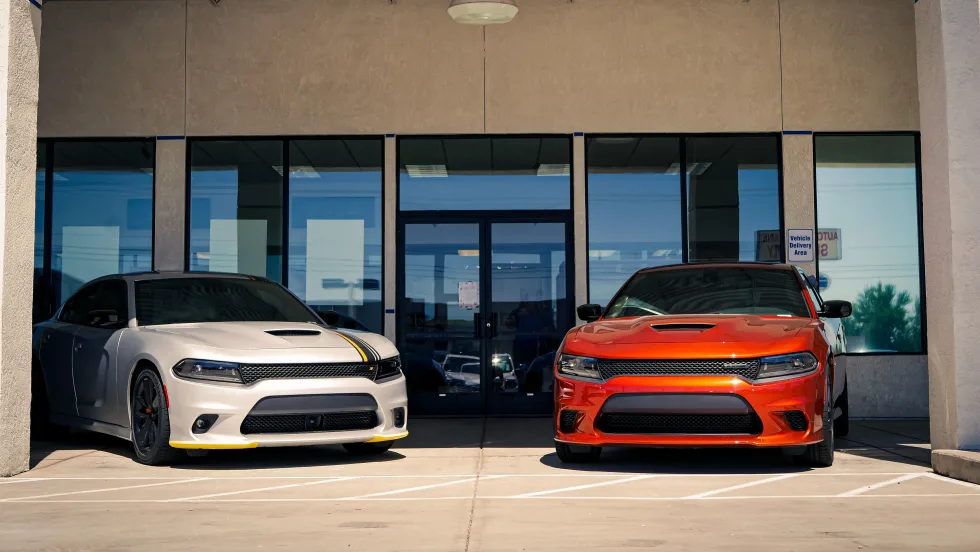
Auto Affordability Inches Up
The latest Cox Automotive and Moody’s Analytics index shows a slight increase in new-vehicle affordability despite high prices.
Read More →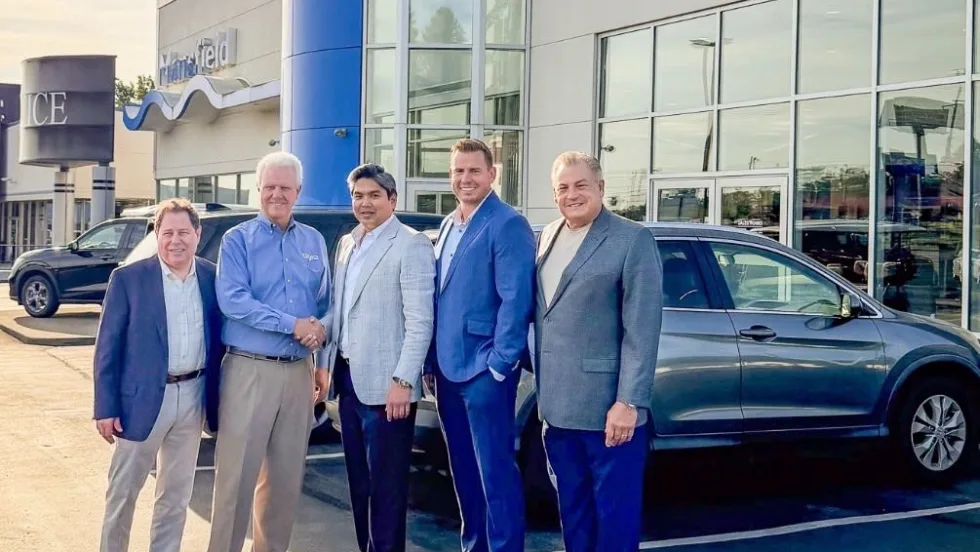
Ohio Auto Group Under New Ownership
After 79 years with the Schluter family, Mansfield Auto Group has been acquired by Missouri-based Clement Auto Group.
Read More →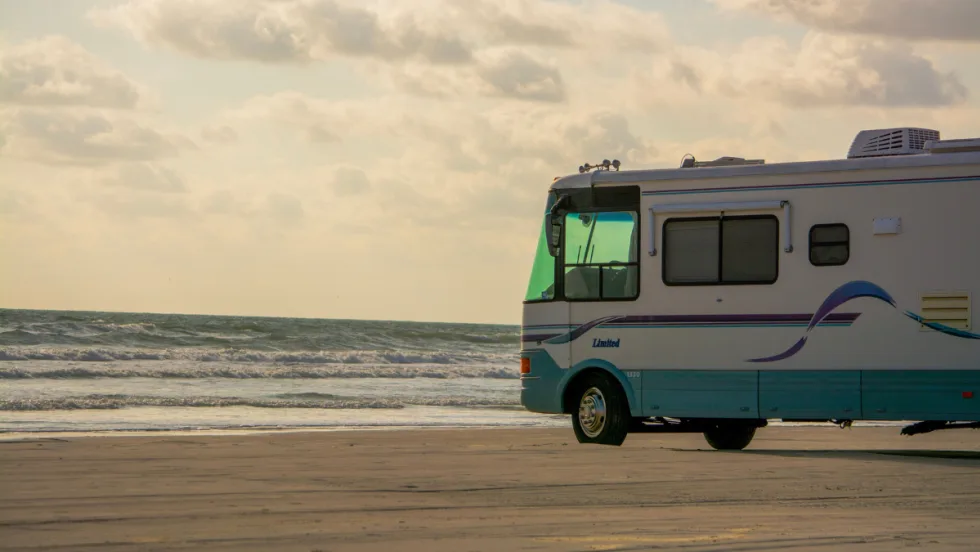
RV Group Expands Carolina Footprint
Blue Compass RV Columbia Northeast is the 13th RV dealership owned by Blue Compass in the Carolinas.
Read More →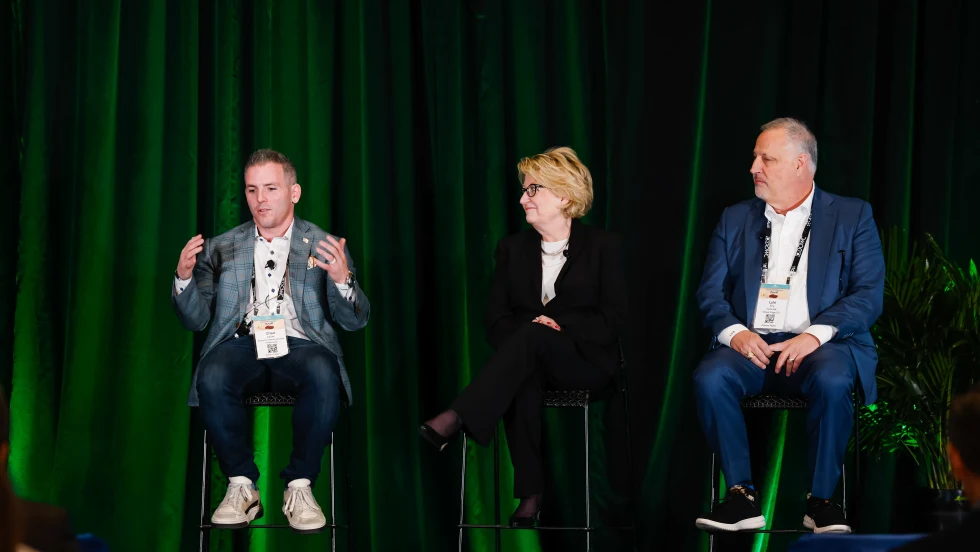
Agent Acumen
An Agent Summit panel of people who’ve been supporting auto dealers for years gave both timely and timeless advice for those starting out or mulling the prospect.
Read More →
Missed Maintenance Creates Opportunity
As families get back on the road and into daily school routines, service drives have an opportunity to capture customers who are behind on recommended vehicle maintenance.
Read More →
Mitsubishi Unveils U.S. Plan
The automaker announced a strategy that includes an expanded lineup and dealership presence, along with more ‘rugged’ and electric models.
Read More →
Selling to Grow
The question of whether you should sell your agency and if so, when, is up to you. But it’s a question worth asking to ensure you keep the business on the right path for yourself, employees and clients.
Read More →
Recalled Vehicles Hit 5-Year High
Though the number of events has fallen so far this year, impacted units are up significantly. Meanwhile, regulators consider consumer notification changes.
Read More →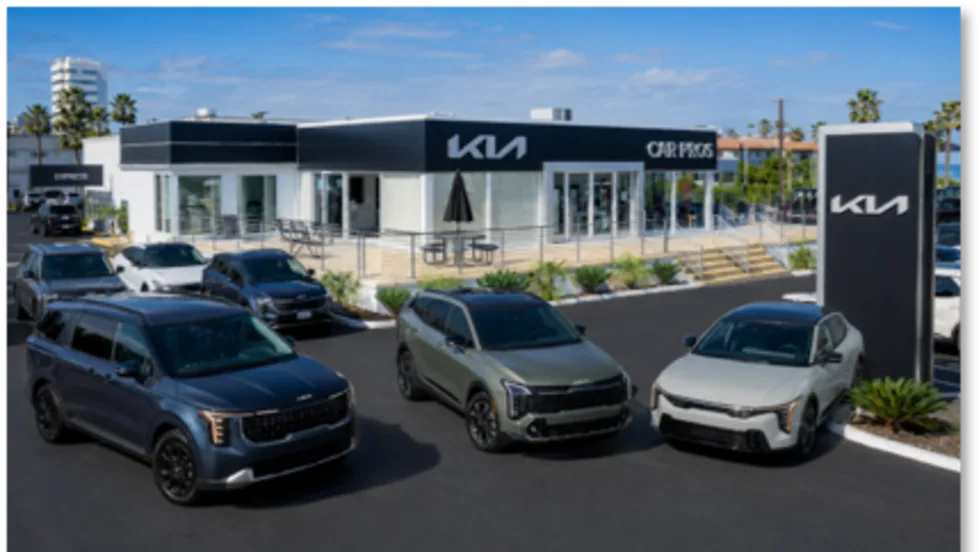
Auto Group Acquires Top-Performing Rooftop
Car Pros sold its Kia Huntington Beach location to Sutherlin Automotive Group, marking the buyer’s third location in Southern California.
Read More →
China as Pacesetter
Automotive leaders huddled on where North America stands in the global picture and how it can strengthen its position against the Asian juggernaut’s surging industry.
Read More →