



Toyota Edges Toward Cooperation

Toyota Motor Corp. has a tradition of self-reliance. Chief Executive Officer Akio Toyoda is beginning to change that.
Toyoda agreed this month to equip some Toyota cars with Bayerische Motoren Werke AG diesel engines, building on an earlier deal to use Tesla Motors Inc. battery packs in future electric vehicles. Before the grandson of the founder became president, Toyota had not purchased such core technologies from other carmakers, said Shiori Hashimoto, a spokeswoman at the Toyota City-based carmaker.
The alliances illustrate how Toyoda is shaking up decades-old practices at Japan's largest manufacturer, which is poised to cede its three-year lead in the global automotive industry to General Motors Co. The company is emerging from three years of crisis management — from millions of vehicles recalled to coping with Japan's biggest postwar natural disaster, according to The Detroit News.
"They have a high need for control, because they want a high level of confidence things will be delivered on time," said Jeff Liker, an engineering professor at the University of Michigan in Ann Arbor specializing in Toyota research. "When you go outside the family, there's some risk. Akio is willing to take that risk."
The worldwide recalls in 2009 and 2010 created an opportunity to push changes in Toyota's corporate culture, Liker said. The CEO likely "came to the conclusion Toyota has grown too insular in Japan, that it needed to open up more, get more access to the outside world," he said.
Toyoda has reason to drive change. The company forecasts profit will fall to 1 percent of revenue this fiscal year, Toyota's second-lowest margin, based on data compiled by Bloomberg stretching back to 1992.
At its height in the mid 2000s, the carmaker was generating margins of almost 7 percent. The stock is down about 70 percent from its peak in February 2007.
"Toyota used to be able to grow simply by manufacturing the cars it made best, but now it needs to make gasoline and diesel cars, hybrids and electric vehicles," said Mitsushige Akino, who oversees about $600 million at Ichiyoshi Investment Management Co. in Tokyo. "If Toyota doesn't reach out to other companies for help in technology, they won't be able to sustain market share."
Under this month's agreement, Toyota will equip some of its European models with BMW engines starting in 2014 to gain market share in the region, where most cars run on diesel.
Toyota's share of European auto sales was 3.8 percent this year through October, according to the European Automobile Manufacturers' Association. By comparison, Toyota's U.S. share was 12.7 percent through November, according to Autodata Corp., based in Woodcliff Lake, N.J.
In May 2010, Toyota agreed to use Tesla's lithium-ion battery pack and motor on its RAV4 sport-utility vehicle starting early next year. Toyoda said at the time that he hoped the partnership would also inspire Toyota workers to adopt the "venture business" spirit of Tesla.
The BMW and Tesla deals differ from previous partnerships because Toyota is the recipient of another company's technology, Hashimoto, the Toyota spokeswoman, said. In previous deals such as a project to develop a hybrid system for trucks with Ford Motor Co., and others with GM, Aston Martin and Fuji Heavy Industries Ltd.'s Subaru, Toyota either provided or co-developed technologies, she said.
Only the BMW accord is likely to yield direct benefits for the Japanese carmaker because the other agreements are "small, isolated deals," said Maryann Keller, an auto analyst and president at Maryann Keller & Associates.
The project with Palo Alto, California-based Tesla, for example, isn't likely to change Toyota's management practices because "you cannot change a corporate culture simply by working with a company that's 3,000 miles away," she said.
More Industry

Ohio Auto Group Under New Ownership
After 79 years with the Schluter family, Mansfield Auto Group has been acquired by Missouri-based Clement Auto Group.
Read More →
RV Group Expands Carolina Footprint
Blue Compass RV Columbia Northeast is the 13th RV dealership owned by Blue Compass in the Carolinas.
Read More →
Agent Acumen
An Agent Summit panel of people who’ve been supporting auto dealers for years gave both timely and timeless advice for those starting out or mulling the prospect.
Read More →
Missed Maintenance Creates Opportunity
As families get back on the road and into daily school routines, service drives have an opportunity to capture customers who are behind on recommended vehicle maintenance.
Read More →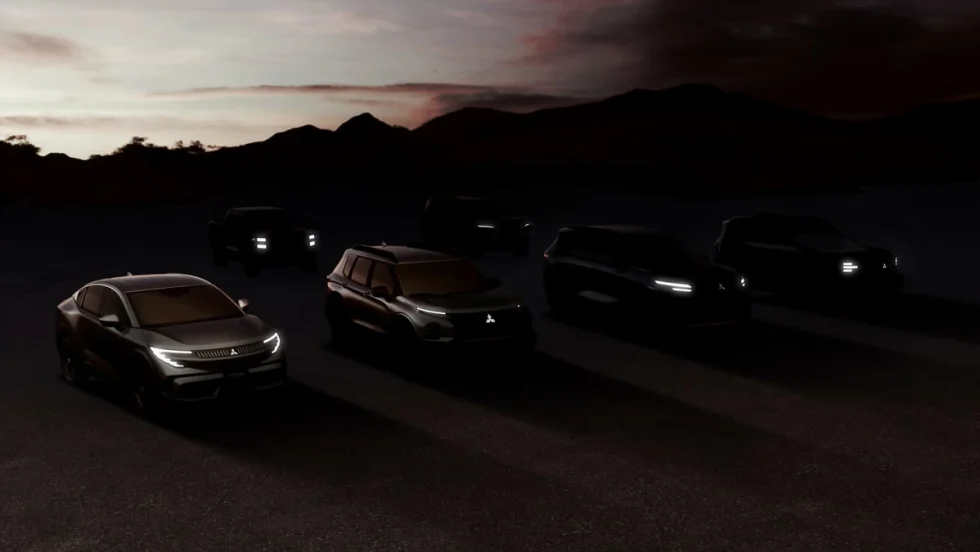
Mitsubishi Unveils U.S. Plan
The automaker announced a strategy that includes an expanded lineup and dealership presence, along with more ‘rugged’ and electric models.
Read More →
Selling to Grow
The question of whether you should sell your agency and if so, when, is up to you. But it’s a question worth asking to ensure you keep the business on the right path for yourself, employees and clients.
Read More →
Recalled Vehicles Hit 5-Year High
Though the number of events has fallen so far this year, impacted units are up significantly. Meanwhile, regulators consider consumer notification changes.
Read More →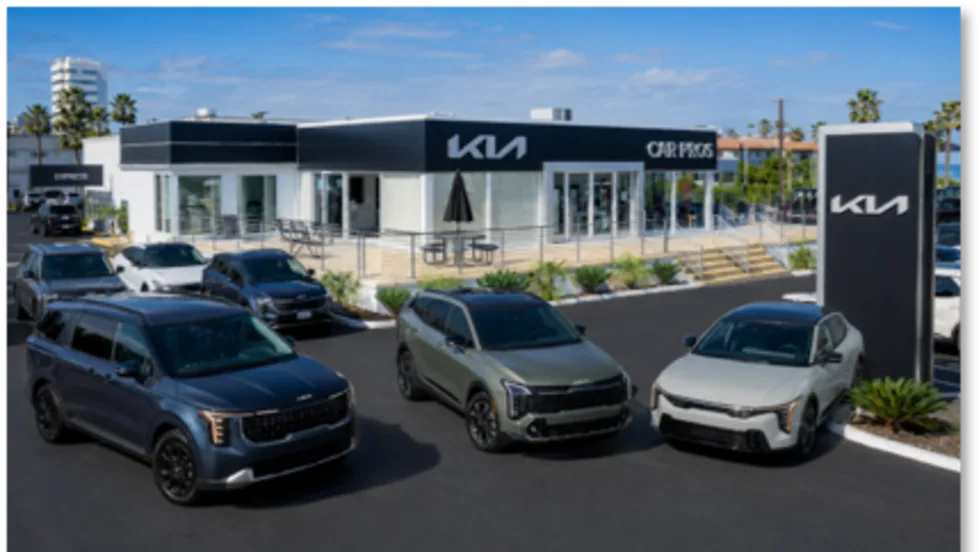
Auto Group Acquires Top-Performing Rooftop
Car Pros sold its Kia Huntington Beach location to Sutherlin Automotive Group, marking the buyer’s third location in Southern California.
Read More →
China as Pacesetter
Automotive leaders huddled on where North America stands in the global picture and how it can strengthen its position against the Asian juggernaut’s surging industry.
Read More →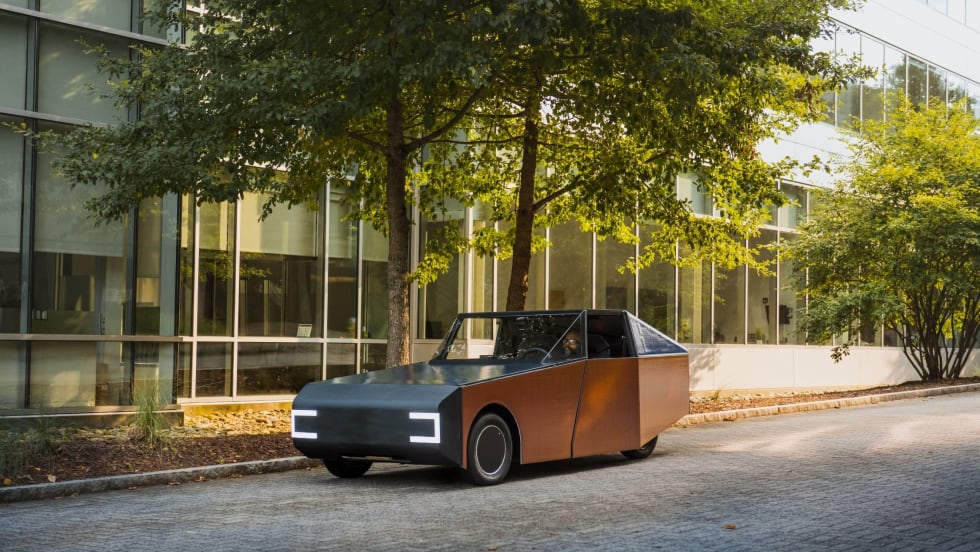
BMW Concept Car Makes Fuel to Burn
The prototype developed in concert with a South Carolina university engineering team generates more solar energy than it uses in a typical daily commute.
Read More →