



Toyota Agrees to $16.4 Million Fine

WASHINGTON — Toyota Motor Corp. is expected to agree to pay $16.4 million to settle charges by the U.S. government without admitting that it knowingly hid evidence of defects from safety regulators, a senior U.S. Transportation Department official told <em>The Wall Street Journal</em>. An agreement that doesn't require Toyota to admit wrongdoing could help the company defend itself against the numerous civil lawsuits pending in U.S. courts, the official said. The payment would be the largest ever assessed against an auto maker in connection with an alleged violation of U.S. vehicle safety laws, Transportation Department officials said. A Toyota spokeswoman said Sunday that the company would make a statement Monday about the civil penalty. People familiar with the automaker's deliberations said the company is expected to agree to the settlement. The fine is relatively small compared with Toyota's sales and assets, but it is another in a series of blows to the reputation of a company that was consumers and rivals once a held up as a paragon in the auto industry for the quality of its engineering. Plaintiffs' lawyers who have sued the automaker likened the agreement to a no-contest plea. "It is Toyota saying, 'We will pay, but won't admit we should pay,'" said Houston attorney Mark Lanier, who has filed several Toyota suits. "But in this case, the government should not be settling for this. This is not your normal case." Under pressure from U.S. highway safety regulators, Toyota in January recalled 2.3 million vehicles to repair sticky accelerators that could be slow to slow to return to idle. Earlier this month, U.S. Transportation Secretary Ray LaHood charged that Toyota officials knew about the sticky pedal problem for four months before disclosing it to federal safety authorities. The U.S. investigation, conducted by the Transportation Department's National Highway Traffic Safety Administration, concluded that Toyota knew of the "sticky pedal" defect as early as Sept. 29, 2009 when the company sent instructions for repair procedures to distributors in 31 European countries and Canada to respond to complaints about the sticky pedals and sudden acceleration. Documents show Toyota was aware of similar issues with its vehicles in the U.S., but didn't agree to a U.S. recall until January, the agency said two weeks ago.
More Industry

Auto Affordability Inches Up
The latest Cox Automotive and Moody’s Analytics index shows a slight increase in new-vehicle affordability despite high prices.
Read More →
Ohio Auto Group Under New Ownership
After 79 years with the Schluter family, Mansfield Auto Group has been acquired by Missouri-based Clement Auto Group.
Read More →
RV Group Expands Carolina Footprint
Blue Compass RV Columbia Northeast is the 13th RV dealership owned by Blue Compass in the Carolinas.
Read More →
Agent Acumen
An Agent Summit panel of people who’ve been supporting auto dealers for years gave both timely and timeless advice for those starting out or mulling the prospect.
Read More →
Missed Maintenance Creates Opportunity
As families get back on the road and into daily school routines, service drives have an opportunity to capture customers who are behind on recommended vehicle maintenance.
Read More →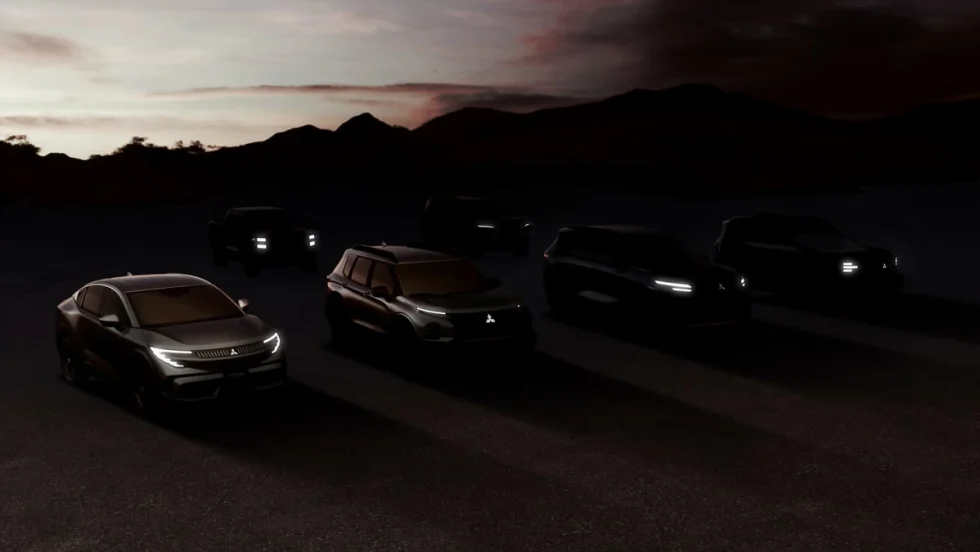
Mitsubishi Unveils U.S. Plan
The automaker announced a strategy that includes an expanded lineup and dealership presence, along with more ‘rugged’ and electric models.
Read More →
Selling to Grow
The question of whether you should sell your agency and if so, when, is up to you. But it’s a question worth asking to ensure you keep the business on the right path for yourself, employees and clients.
Read More →
Recalled Vehicles Hit 5-Year High
Though the number of events has fallen so far this year, impacted units are up significantly. Meanwhile, regulators consider consumer notification changes.
Read More →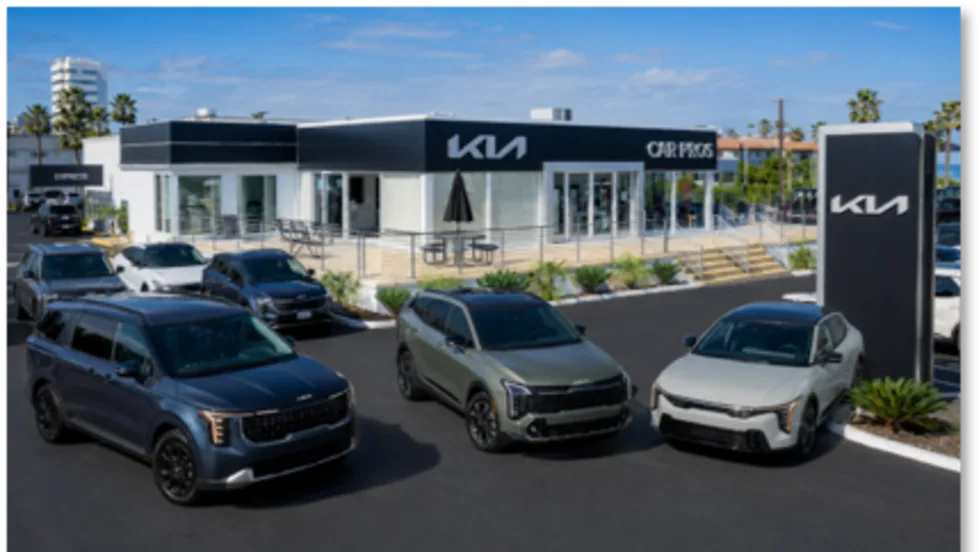
Auto Group Acquires Top-Performing Rooftop
Car Pros sold its Kia Huntington Beach location to Sutherlin Automotive Group, marking the buyer’s third location in Southern California.
Read More →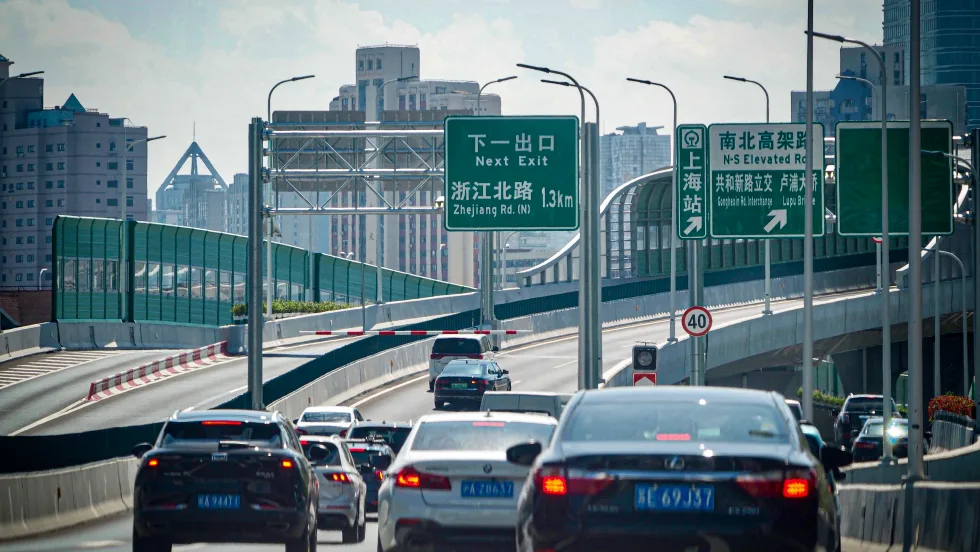
China as Pacesetter
Automotive leaders huddled on where North America stands in the global picture and how it can strengthen its position against the Asian juggernaut’s surging industry.
Read More →