



Tesla Motors Lock-up Period Ends, Share Price Down

DETROIT - Tesla Motors shares fell the most since early July on Monday, the first day insiders could sell shares that they bought during the electric carmaker's initial public offering six months ago, reported Reuters.
Monday marked the end of Tesla's "lock-up period", 180 days during which investors who bought Tesla stock in its IPO could not sell their shares.
Investors' doubts that the company could hit its targets in developing its Model S luxury sedan caused the stock drop in part, said Capstone Investments analyst Carter Driscoll, who set a $22 price target on the stock last week.
Tesla, which has not mass-produced a vehicle, has said the Model S is due in mid-2012 at $57,400.
Delays are part of the development process in the automotive industry, said Driscoll, who rated San Francisco-based Tesla a "sell" last week.
"They need to execute almost flawlessly versus their valuation for the stock price to be justified," said Driscoll.
He said the expiration of the lock-up period was the primary reason behind the stock price's fall, but the magnitude of the decline surprised him. Shares may climb higher in coming weeks leading up to the Detroit auto show, Driscoll said.
According to a November securities filing, Tesla had about 93.2 million common shares outstanding as of Sept. 30, most of which was restricted under the lock-up agreement.
Beginning Monday, the owners of 75 million shares could sell their stock, which could hurt the share price, Tesla said in their filing.
Tesla shares fell as much as 16.7 percent to $25.06 in trading on the Nasdaq. The stock was down almost 15 percent to $25.60 in afternoon trading.
Tesla debuted at $17 per share on the Nasdaq in late June. Its shares rose more than 40 percent on their first day of trading.
Tesla has not produced a profit. Doing so hinges on the success of vehicles like the Model S, the company said in the November filing. Tesla could not be reached for comment.
More Industry

RV Group Expands Carolina Footprint
Blue Compass RV Columbia Northeast is the 13th RV dealership owned by Blue Compass in the Carolinas.
Read More →
Agent Acumen
An Agent Summit panel of people who’ve been supporting auto dealers for years gave both timely and timeless advice for those starting out or mulling the prospect.
Read More →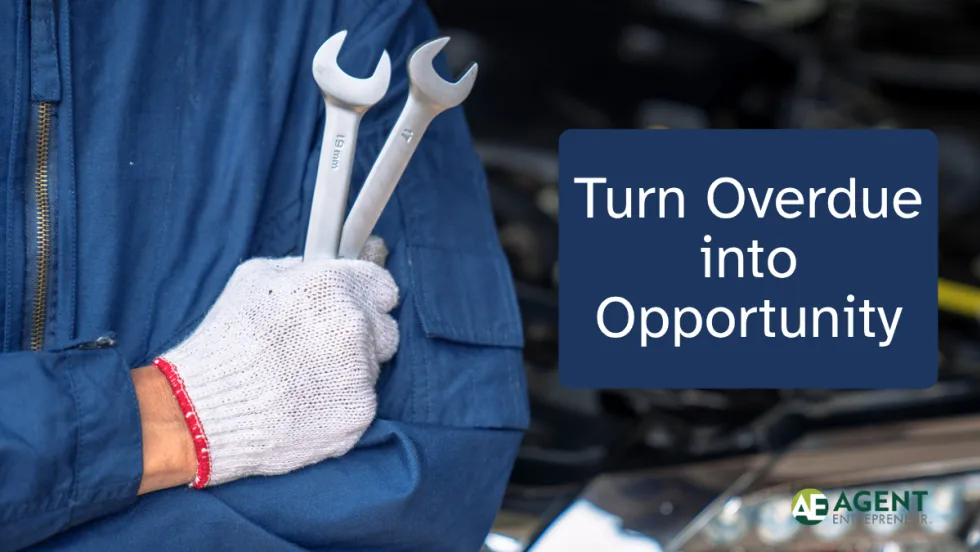
Missed Maintenance Creates Opportunity
As families get back on the road and into daily school routines, service drives have an opportunity to capture customers who are behind on recommended vehicle maintenance.
Read More →
Mitsubishi Unveils U.S. Plan
The automaker announced a strategy that includes an expanded lineup and dealership presence, along with more ‘rugged’ and electric models.
Read More →
Selling to Grow
The question of whether you should sell your agency and if so, when, is up to you. But it’s a question worth asking to ensure you keep the business on the right path for yourself, employees and clients.
Read More →
Recalled Vehicles Hit 5-Year High
Though the number of events has fallen so far this year, impacted units are up significantly. Meanwhile, regulators consider consumer notification changes.
Read More →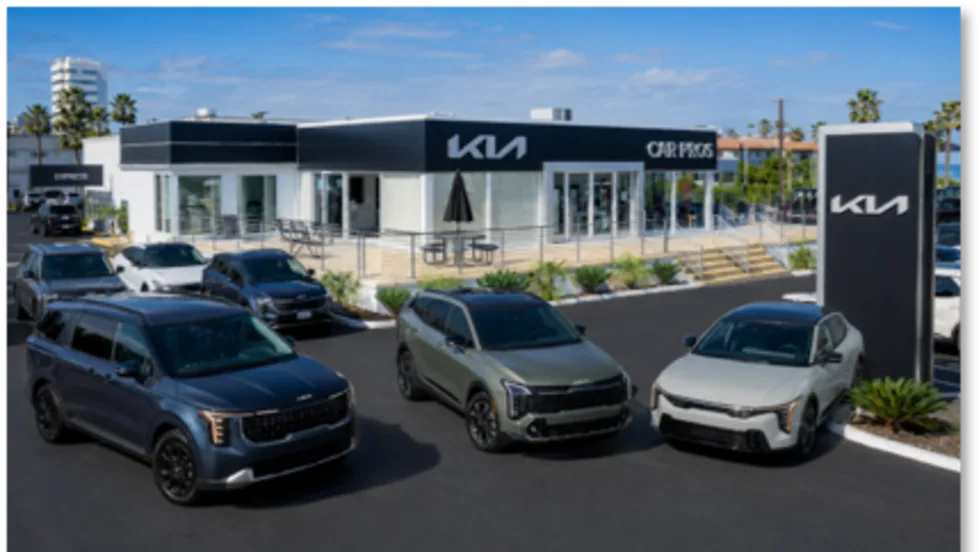
Auto Group Acquires Top-Performing Rooftop
Car Pros sold its Kia Huntington Beach location to Sutherlin Automotive Group, marking the buyer’s third location in Southern California.
Read More →
China as Pacesetter
Automotive leaders huddled on where North America stands in the global picture and how it can strengthen its position against the Asian juggernaut’s surging industry.
Read More →
BMW Concept Car Makes Fuel to Burn
The prototype developed in concert with a South Carolina university engineering team generates more solar energy than it uses in a typical daily commute.
Read More →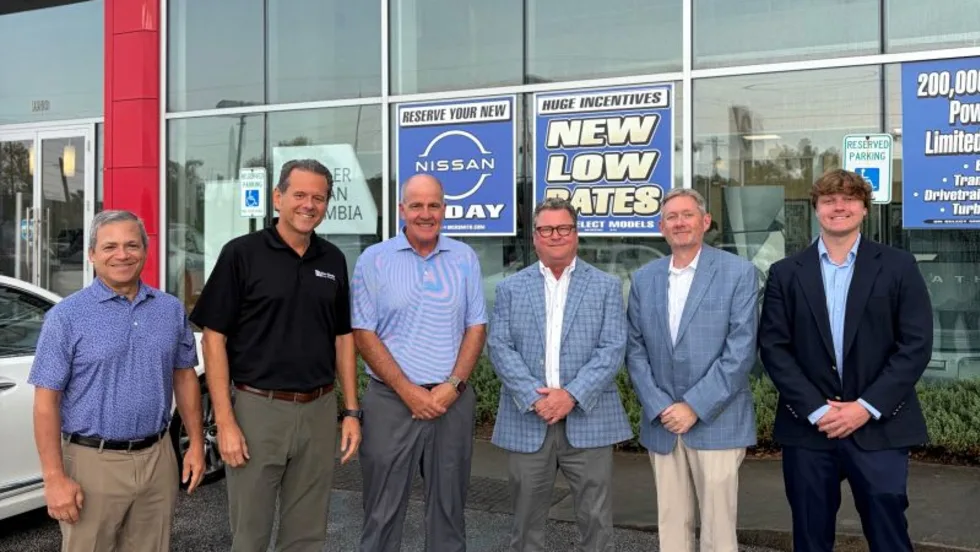
South Carolina Auto Group Downsizes
Florida-based group Holler-Classic has acquired four rooftops, its first in South Carolina, from Dick Smith Automotive Group.
Read More →