



Survey Indicates Need for New Approaches to Measuring Automotive Quality

SOUTHFIELD, Mich. - The methods for measuring quality in the automotive industry are viewed as outdated and in need of replacement, according to the results of a new study detailed today by AIAG, a not-for-profit, member-supported organization that works with a wide range of global manufacturing companies and service providers to help them operate at peak performance. The analysis of the first-of-its-kind global quality survey, commissioned through J.D. Power and Associates and announced at AIAG's inaugural Quality Summit in Livonia, Mich., recommends significant changes to how the automotive industry measures, structures and improves quality.
"The automotive industry has made significant strides in improving quality over the past decade, as evidenced in the upward trends in published product quality and customer satisfaction surveys," said J. Scot Sharland, executive director of AIAG. "However, continuous improvement is key to any manufacturing strategy, and AIAG is driving that discussion, using this study as a road map to identify likely trends as we reshape our vision of quality in the future."
The Global Quality Survey conducted in-depth interviews with key leaders at automotive manufacturers and suppliers in China and the NAFTA region, along with supply chain quality experts, to evaluate the current state of quality and explore how quality should be measured and improved in the future. Participants believe that there are currently too many external quality metrics with misaligned targets and objectives, so companies tend to get focused on the quality problem of the moment.
The respondents believe the current measurement system favors tracking lagging quality issues, which can skew data and incorrectly guide decisions. They suggest replacing current quality tracking metrics with ones that identify leading indicators of quality, such as design and process. In the future, the most successful organizations will use the right quality measurement tools, effectively mitigate risk and have a culture that drives out fear.
To get to the next generation of quality, the respondents advocate an industry culture shift toward emphasizing the opportunities of good quality in place of today's hyper-focus on avoiding poor quality. They suggest replacing current programs that punish for bad quality with new programs that recognize and reward good quality. The survey also points to the need for an internal culture shift at companies, whereby quality and purchasing departments are aligned so that the goal is to reduce total cost, not just purchase order costs. Many factors will drive the future of quality improvement, but sourcing strategies, reward and recognition, warranty and vehicle reliability will continue to play dominant roles.
The study also suggests that automotive companies need to align business objectives around their quality philosophy in order to deliver continuous improvement, a concept that conflicts with traditional approaches to quality management. Additionally, the study recommends that the automotive industry collaborate with other manufacturing sectors to benchmark and generate new solutions for improving quality. Automotive quality methods have been adopted by the pharmaceutical, aerospace and defense industries, and additional collaboration will help identify where other harmonized processes can be adopted.
"As a result of ongoing industry improvements in product quality, shifting consumer perceptions of quality are driving a focus toward more predictive tools," said Dave Lalain, vice president of commercial development at AIAG. "The survey we conducted establishes quality benchmarks for the automotive industry, which will help identify initiatives for us to continue to drive our members' success."
More Industry
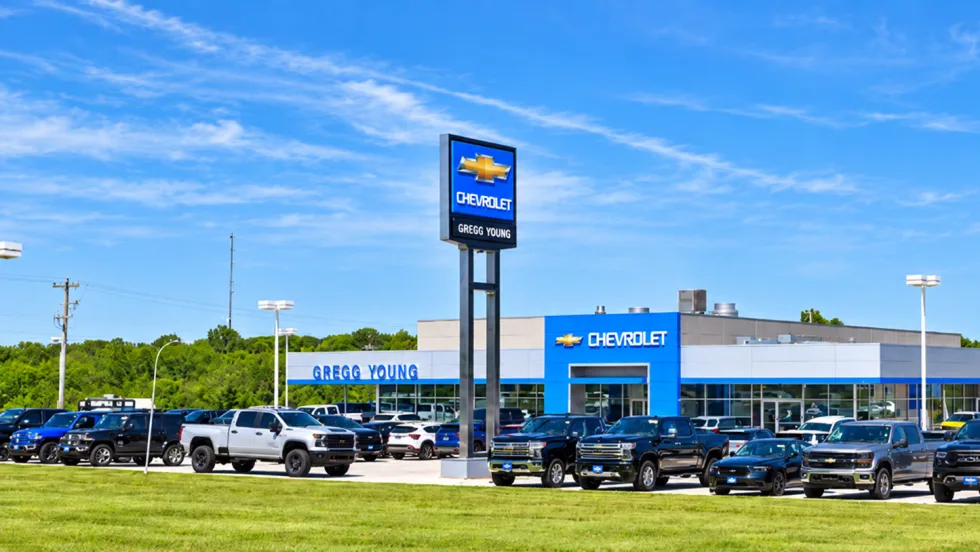
Nebraska Rooftop Changes Hands
The Gregg Young Automotive Group has sold its second dealership to Janssen Auto Group, both in Plattsmouth, Neb.
Read More →
Penske Auto Group Deal a Record
The deal to take the dealership and transportation services company private sets a new pace for industry buy-sell transactions.
Read More →
War Toll a Damper on Used Auto Prices
Cox Automotive found wholesale depreciation to be elevated in September amid high fuel prices and this year's unusual hurricane season.
Read More →
Bridge the Maintenance Gap
With many drivers missing recommended maintenance, service departments offering transparency and efficiency have a better chance of reaching financially strained consumers.
Read More →
California Store Has New Owner
The longtime dealership in the northern part of the state is known for robust fleet sales and has served the state capital for 115 years.
Read More →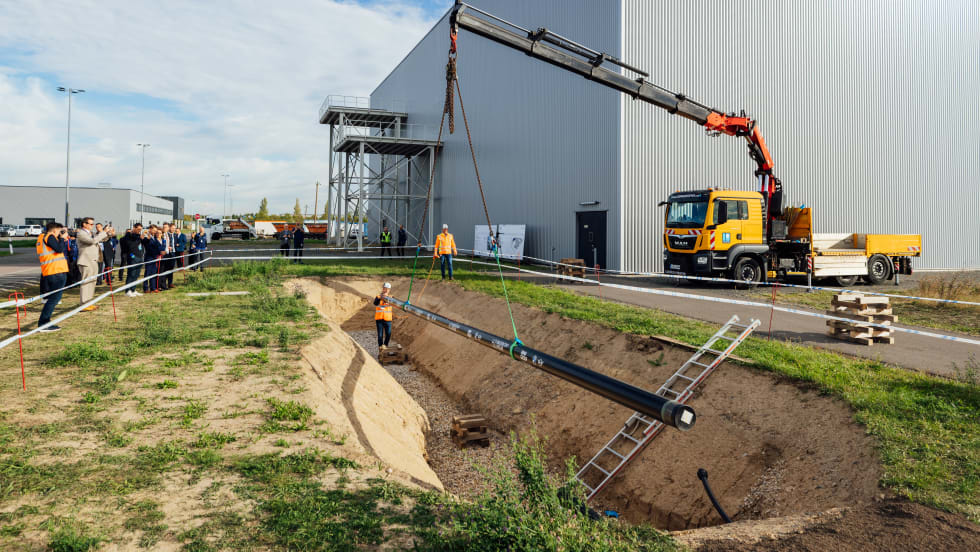
BMW Plant Pursues Cleaner Energy
BMW Group Plant Leipzig has utilized hydrogen to help power its production since 2013, but a new pipeline is planned to take it to another level.
Read More →
Auto Affordability Inches Up
The latest Cox Automotive and Moody’s Analytics index shows a slight increase in new-vehicle affordability despite high prices.
Read More →
Ohio Auto Group Under New Ownership
After 79 years with the Schluter family, Mansfield Auto Group has been acquired by Missouri-based Clement Auto Group.
Read More →
RV Group Expands Carolina Footprint
Blue Compass RV Columbia Northeast is the 13th RV dealership owned by Blue Compass in the Carolinas.
Read More →
Agent Acumen
An Agent Summit panel of people who’ve been supporting auto dealers for years gave both timely and timeless advice for those starting out or mulling the prospect.
Read More →