



Supreme Court Clears Way For Seat-Belt Lawsuits

The U.S. Supreme Court ruled Wednesday that federal vehicle safety regulations don't protect car makers from product-liability lawsuits for installing lap-only seat belts.
The unanimous decision, written by Justice Stephen Breyer, clears the way for a California lawsuit against Mazda Motor Corp. stemming from a 2002 fatal collision involving a 1993 Mazda MPV minivan. A rear-seat passenger wearing a lap-only seat belt was killed, and her family alleges that the lap-only belt was to blame, reported The Wall Street Journal.
The ruling could open up the industry to more lawsuits, and it may narrow the impact of a 2000 Supreme Court ruling for the industry barring lawsuits against auto makers that did not install airbags.
Two California courts had ruled that the plaintiffs' seat-belt lawsuit couldn't proceed because it was preempted by federal law. Other state and federal courts also had rejected similar lawsuits.
The relevant seat-belt regulations have since changed, and most passenger vehicles built after Sept. 1, 2007, must include shoulder-and-lap seat belts in all rear seating positions that face forward. However, hundreds of thousands of vehicles containing lap-only belts remain on the road.
Justice Breyer distinguished Wednesday's ruling from the 2000 airbag decision, which he also wrote.
In the airbag case, federal regulators clearly intended to promote a variety of passenger restraints in cars, and product-liability lawsuits would have upset that intent, Breyer said. But on the seat-belt issue, he said, regulators encouraged the installation of shoulder-and-lap belts even if they weren't required at the time.
The Obama administration had supported the plaintiffs' right to sue Mazda, arguing that car makers weren't exempted from the consequences of their choice to install lap-only belts.
Martin Buchanan, a lawyer for the plaintiffs, said Wednesday's ruling was significant because it corrected a "widespread misreading" of the 2000 airbag decision. Mr. Buchanan said lower courts had interpreted the airbag ruling broadly to prohibit state-law liability suits against a wide range of products, from cell phones to boats, because they were subject to federal regulations. "This will correct that, and I think it will reverberate in other areas of the law as well," he said.
Mazda spokesman Jay Amestoy said the company was disappointed in the ruling, but he noted the decision didn't determine that the auto maker was liable or that the vehicle was defective. He said the company would vigorously defend the lawsuit.
Trade groups for auto makers had warned in a court brief that a ruling for the plaintiffs would upend years of industry reliance on the airbag ruling.
The Alliance of Automobile Manufacturers issued a brief statement expressing disappointment with the decision, but the group said the decision "reaffirmed the bedrock principles" of the airbag case.
Stephen A. Miller, a lawyer with the Cozen O'Connor law firm and a former Supreme Court law clerk, said the ruling demonstrates why it is too simplistic to think of the Roberts Court as always pro-business.
In some recent cases, Mr. Miller said, the court appears to be embracing a presumption against preemption of state-law tort suits.
Six other justices joined Justice Breyer's opinion. Justice Clarence Thomas said in a concurring opinion that he agreed with the result but would have applied different legal reasoning.
Justice Elena Kagan was recused in the case because she worked on it previously when she served as U.S. solicitor general.
The case is Williamson v. Mazda Motor of America, 08-1314.
More Industry

Penske Auto Group Deal a Record
The deal to take the dealership and transportation services company private sets a new pace for industry buy-sell transactions.
Read More →
War Toll a Damper on Used Auto Prices
Cox Automotive found wholesale depreciation to be elevated in September amid high fuel prices and this year's unusual hurricane season.
Read More →
Bridge the Maintenance Gap
With many drivers missing recommended maintenance, service departments offering transparency and efficiency have a better chance of reaching financially strained consumers.
Read More →
California Store Has New Owner
The longtime dealership in the northern part of the state is known for robust fleet sales and has served the state capital for 115 years.
Read More →
BMW Plant Pursues Cleaner Energy
BMW Group Plant Leipzig has utilized hydrogen to help power its production since 2013, but a new pipeline is planned to take it to another level.
Read More →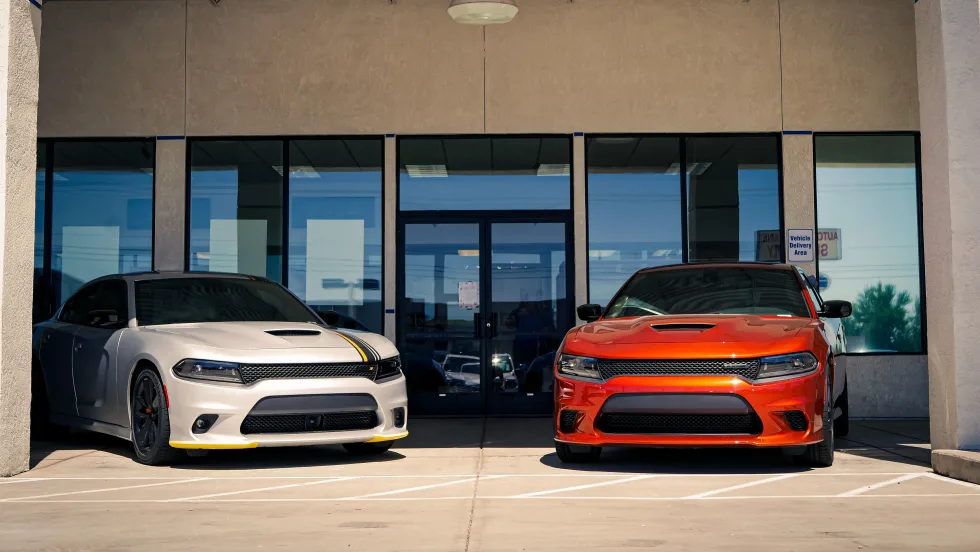
Auto Affordability Inches Up
The latest Cox Automotive and Moody’s Analytics index shows a slight increase in new-vehicle affordability despite high prices.
Read More →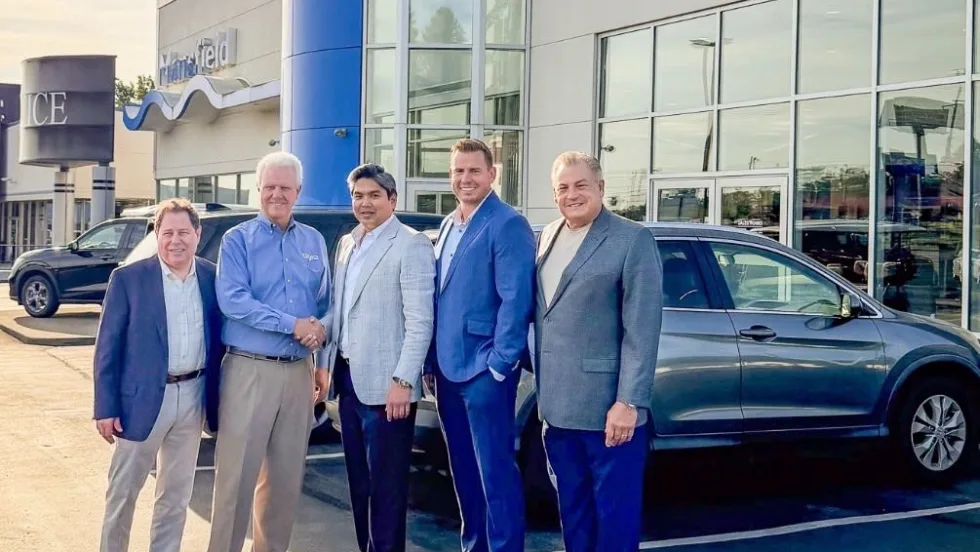
Ohio Auto Group Under New Ownership
After 79 years with the Schluter family, Mansfield Auto Group has been acquired by Missouri-based Clement Auto Group.
Read More →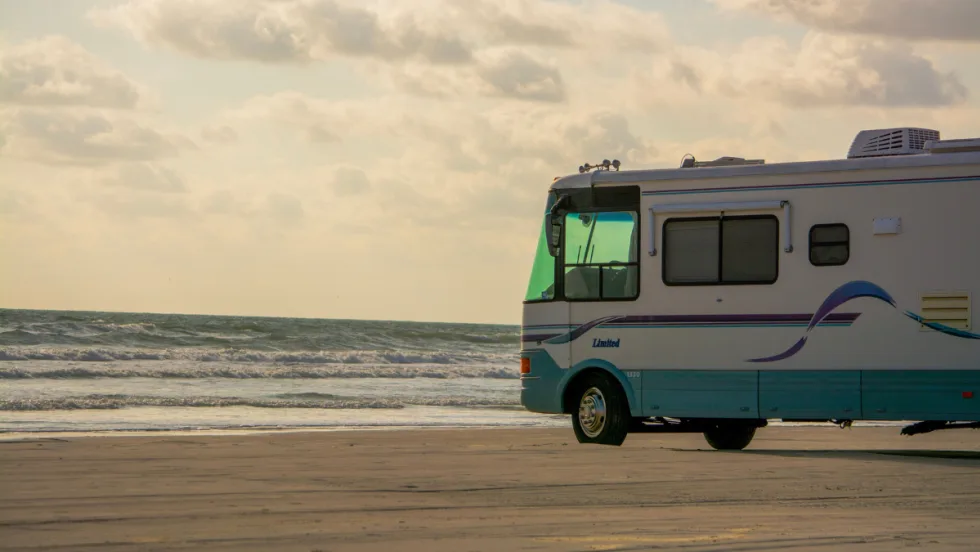
RV Group Expands Carolina Footprint
Blue Compass RV Columbia Northeast is the 13th RV dealership owned by Blue Compass in the Carolinas.
Read More →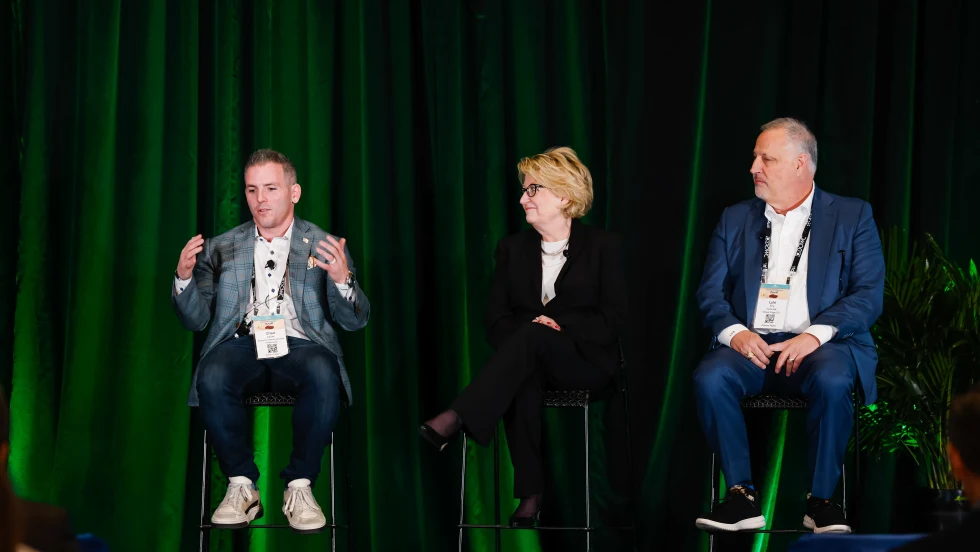
Agent Acumen
An Agent Summit panel of people who’ve been supporting auto dealers for years gave both timely and timeless advice for those starting out or mulling the prospect.
Read More →
Missed Maintenance Creates Opportunity
As families get back on the road and into daily school routines, service drives have an opportunity to capture customers who are behind on recommended vehicle maintenance.
Read More →