



South Korea Seeks Grace Period to New EV Credit Rules
South Korea wants a three-year grace period on the U.S. Inflation Act to enable Korean automakers to keep receiving U.S. electric vehicle (EV) incentives.


South Korea wants a three-year grace period on the U.S. Inflation Act to enable Korean automakers to keep receiving U.S. electric vehicle incentives.
IMAGE: Pixabay
The $430 billion bill, which President Joe Biden signed into law in August, changed the rules for the $7,500 EV tax credit.
Now, for a vehicle to be eligible for the EV tax credit, it must have been assembled—and have a battery built—in North America, with battery minerals mined or recycled on the continent. The first requirement goes into effect immediately, while the rest of the requirements are being phased in. By 2024, at least 50% of EV batteries must come from the U.S., Canada, or Mexico, with that figure rising to 100% by 2028.
The requirement that vehicles be made in America means Hyundai Motor Co. and Kia Corp. are excluded from the tax credit because they do not make EVs in North America.
South Korea wants the U.S. to offer federal EV tax credits for these automakers anyway because they have planned U.S investments.
Hyundai Motor Group broke ground on a $5.54 billion EV and battery plant in the U.S. in October and has announced plans to invest over $10 billion in the United States by 2025 to strengthen its collaboration with U.S. firms in advanced technology, such as robotics, autonomous driving and artificial intelligence.
South Korea also warned the new law may violate trade norms such as the U.S.-South Korea free trade agreement and World Trade Organization agreements.
Originally posted on Auto Dealer Today
More Industry

California Store Has New Owner
The longtime dealership in the northern part of the state is known for robust fleet sales and has served the state capital for 115 years.
Read More →
BMW Plant Pursues Cleaner Energy
BMW Group Plant Leipzig has utilized hydrogen to help power its production since 2013, but a new pipeline is planned to take it to another level.
Read More →
Auto Affordability Inches Up
The latest Cox Automotive and Moody’s Analytics index shows a slight increase in new-vehicle affordability despite high prices.
Read More →
Ohio Auto Group Under New Ownership
After 79 years with the Schluter family, Mansfield Auto Group has been acquired by Missouri-based Clement Auto Group.
Read More →
RV Group Expands Carolina Footprint
Blue Compass RV Columbia Northeast is the 13th RV dealership owned by Blue Compass in the Carolinas.
Read More →
Agent Acumen
An Agent Summit panel of people who’ve been supporting auto dealers for years gave both timely and timeless advice for those starting out or mulling the prospect.
Read More →
Missed Maintenance Creates Opportunity
As families get back on the road and into daily school routines, service drives have an opportunity to capture customers who are behind on recommended vehicle maintenance.
Read More →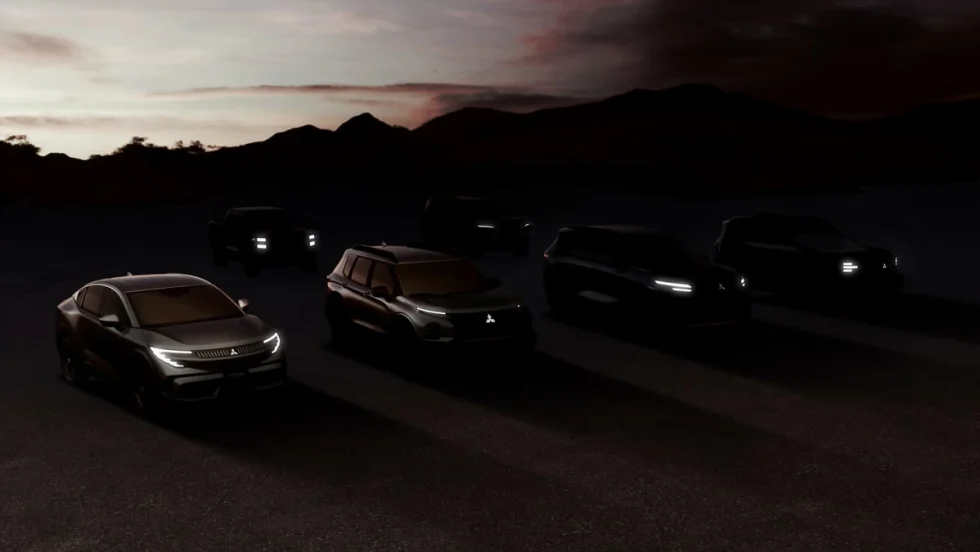
Mitsubishi Unveils U.S. Plan
The automaker announced a strategy that includes an expanded lineup and dealership presence, along with more ‘rugged’ and electric models.
Read More →
Selling to Grow
The question of whether you should sell your agency and if so, when, is up to you. But it’s a question worth asking to ensure you keep the business on the right path for yourself, employees and clients.
Read More →
Recalled Vehicles Hit 5-Year High
Though the number of events has fallen so far this year, impacted units are up significantly. Meanwhile, regulators consider consumer notification changes.
Read More →