



Retail Giants Move Toward One-price Selling

The nation's biggest auto retailers are experimenting with new pricing models, testing variations of what could be called an updated version of one-price selling, Automotive News reported. AutoNation Inc. and other large retailers are launching or refining pricing experiments to reduce or eliminate negotiations. Approaches vary, but the reasons are the same:
They want to make transactions more transparent, faster and easier, and seek to build loyalty and repeat business.
They can turn inventory quicker -- and save floorplan dollars -- if they stick the right price on a car in the beginning.
The Internet, with third-party pricing resources such as Edmunds.com, already has brought asking prices closer to transaction prices. Armed with data specific to their market, customers strike a harder bargain.
Manufacturers have lowered the dealer discount, narrowing the spread between dealer cost and sticker price, leaving less room to negotiate.
COO Michael Maroone said AutoNation is trying at least three online tests designed to reduce or eliminate negotiations:
Setting a final no-haggle price.
Making the online asking price its opening offer, or "pencil" price.
Putting out an asking price that lines up with market-specific selling prices.
In the third experiment, AutoNation would include on its website a benchmark estimate for a vehicle from a third-party pricing service such as an Edmunds.com. "The pricing tools are out there, and people can go out and find in general what they have to pay," Maroone said. "People want to haggle, but they really want to know they're paying a fair price." This year Sonic will expand to the new-car business at its 123 stores a used-car pricing rule that limits the negotiating band, or range. With used cars, Sonic requires that the vehicle's asking price be within $500 of its final selling price. The company is considering reducing that range to $300. Jeff Dyke, executive vice president of Sonic, told Automotive News the group makes more money per vehicle by putting a competitive price on the car upfront. "We want very little wiggle room between the selling price and asking price," Dyke said. "The younger a car is on the lot, the more gross you make. Carrying costs are crazy. You need to sell the car as quickly as possible." Asbury Automotive Inc. has a pilot dealership in Atlanta testing what executives have called no-hassle selling. The experiment at Nalley Toyota started last August with salaried salespeople and prices aligned with that market. Asbury executives call it transaction-based pricing rather than no-budge. They would rather meet customer demands by throwing in accessories or a protection package. "Once the management sets a price on the vehicle, there's a very limited band of negotiation," Asbury COO Michael Kearney told Automotive News. The asking price typically ends up near the vehicle invoice price. Prices will change, probably weekly. Asbury is using a couple of different pricing services that determine retail prices based on actual sales of similar vehicles in a set geographic area. Even with those services, setting that price is almost an art, Asbury CFO Craig Monaghan said. It must be attractive enough to start a serious conversation; it can't be so rigid to drive customers away. That is the problem with a strict one-price policy. Lithia tried to go to a strict one-price, no-haggle model in 2007, but it just didn't work. The company now sets what it considers competitive prices upfront. It trains salespeople and managers to discourage negotiation. No-haggle failed as a marketing strategy, but the principle is still in force, Lithia CEO Sid DeBoer said. Fewer than half of Lithia's customers negotiate, he said. When they do, the discussion usually involves the trade-in. Up to 60 percent of purchases come from repeat customers. While the door is not closed on one-price selling or traditional negotiations, many big groups are adopting market-based pricing with limited negotiation. Though it offered no numbers, Edmunds.com said last week that a growing number of dealerships are using its pricing data as a benchmark to show customers the dealership price is fair for the market. Even though a one-price test is part of AutoNation's wider pricing experiment, AutoNation's Maroone sees the industry moving in the direction of the market-based model. "We are now pricing all of our used cars in the first 30 days right at market," Maroone said. "And the wiggle room that used to be in the 15 percent range is now in the 5 percent range." The group won't overhaul its companywide pricing strategy without plenty of evidence to support the winning model. "Everything we pilot is carefully tracked," Maroone said. Don't expect to learn AutoNation's final pricing strategy until 2011 or later.
More Industry

Penske Auto Group Deal a Record
The deal to take the dealership and transportation services company private sets a new pace for industry buy-sell transactions.
Read More →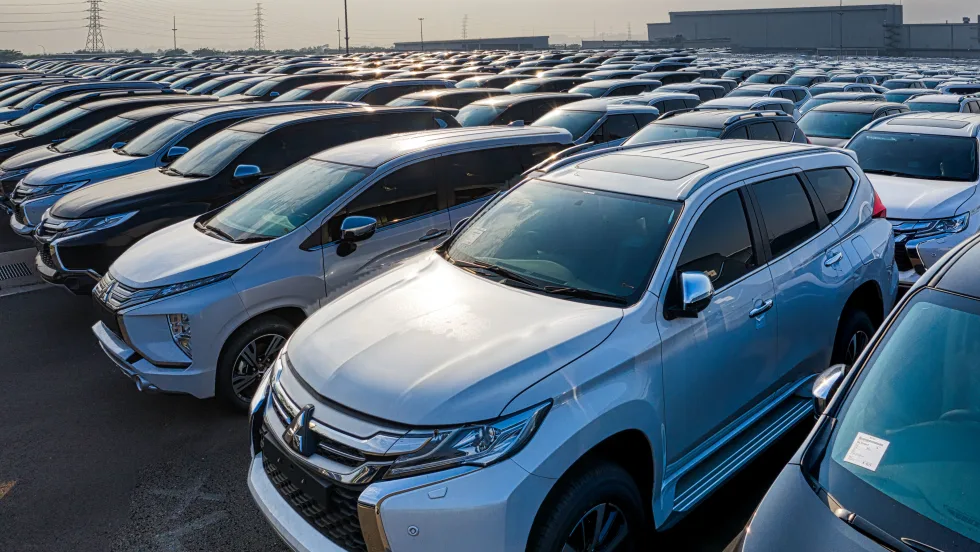
War Toll a Damper on Used Auto Prices
Cox Automotive found wholesale depreciation to be elevated in September amid high fuel prices and this year's unusual hurricane season.
Read More →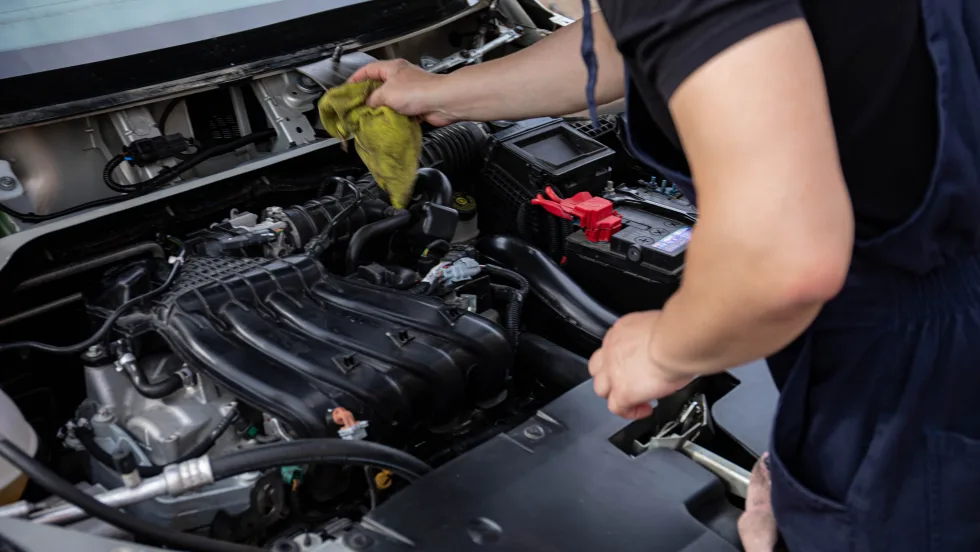
Bridge the Maintenance Gap
With many drivers missing recommended maintenance, service departments offering transparency and efficiency have a better chance of reaching financially strained consumers.
Read More →
California Store Has New Owner
The longtime dealership in the northern part of the state is known for robust fleet sales and has served the state capital for 115 years.
Read More →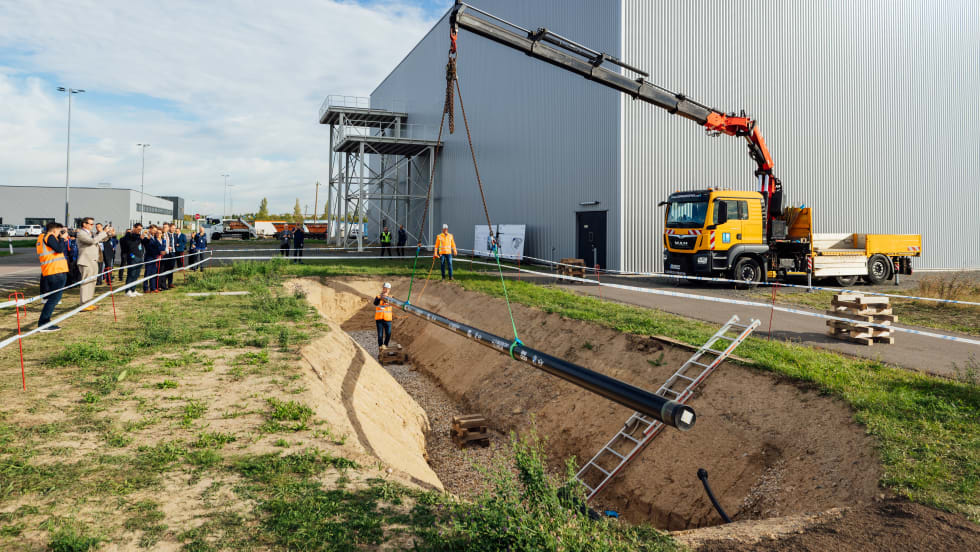
BMW Plant Pursues Cleaner Energy
BMW Group Plant Leipzig has utilized hydrogen to help power its production since 2013, but a new pipeline is planned to take it to another level.
Read More →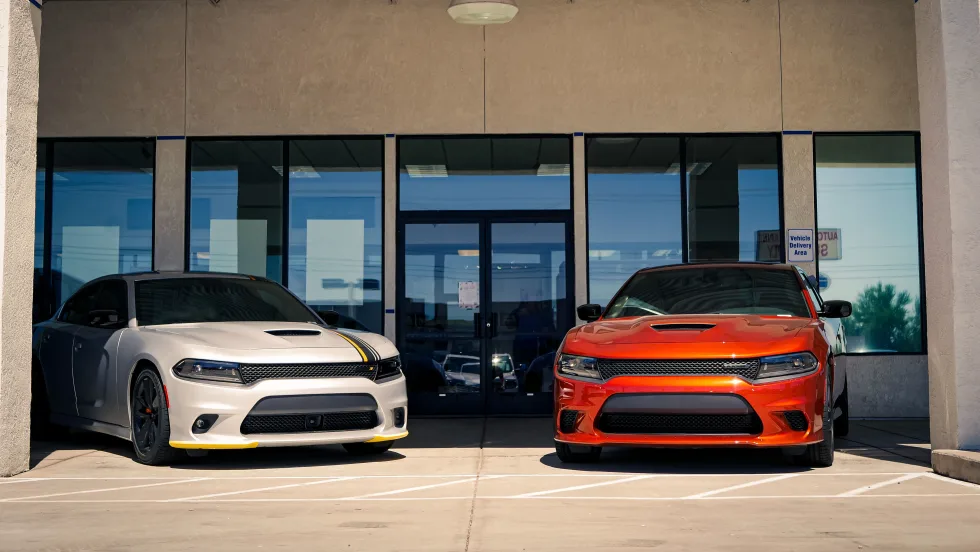
Auto Affordability Inches Up
The latest Cox Automotive and Moody’s Analytics index shows a slight increase in new-vehicle affordability despite high prices.
Read More →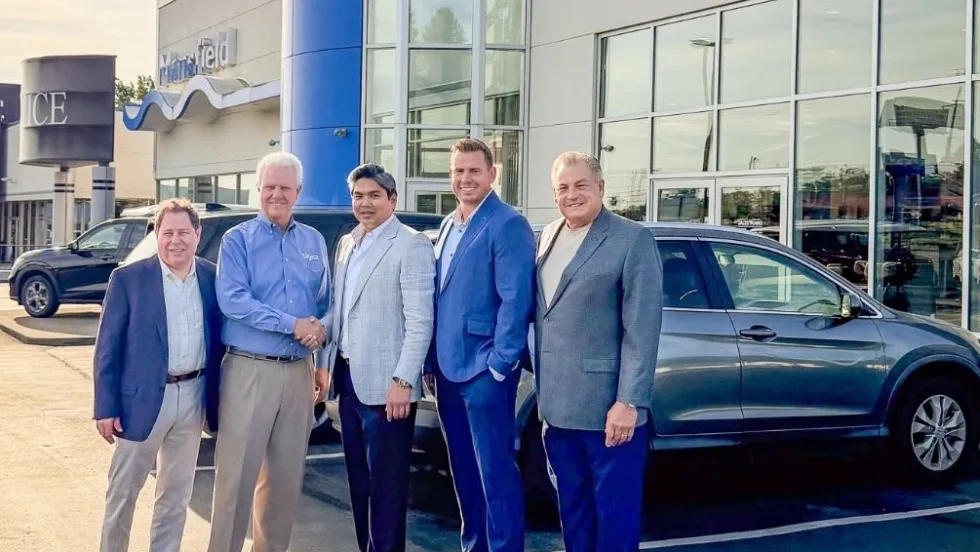
Ohio Auto Group Under New Ownership
After 79 years with the Schluter family, Mansfield Auto Group has been acquired by Missouri-based Clement Auto Group.
Read More →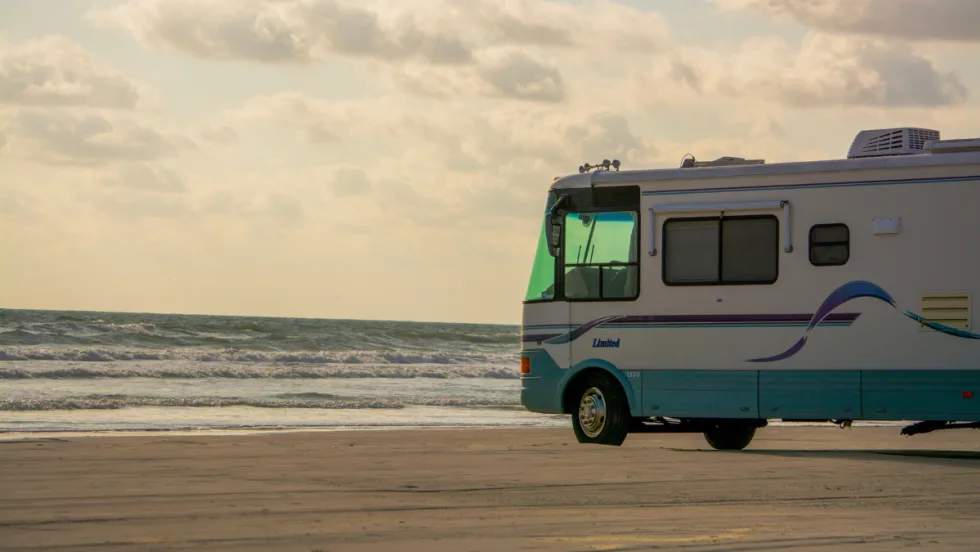
RV Group Expands Carolina Footprint
Blue Compass RV Columbia Northeast is the 13th RV dealership owned by Blue Compass in the Carolinas.
Read More →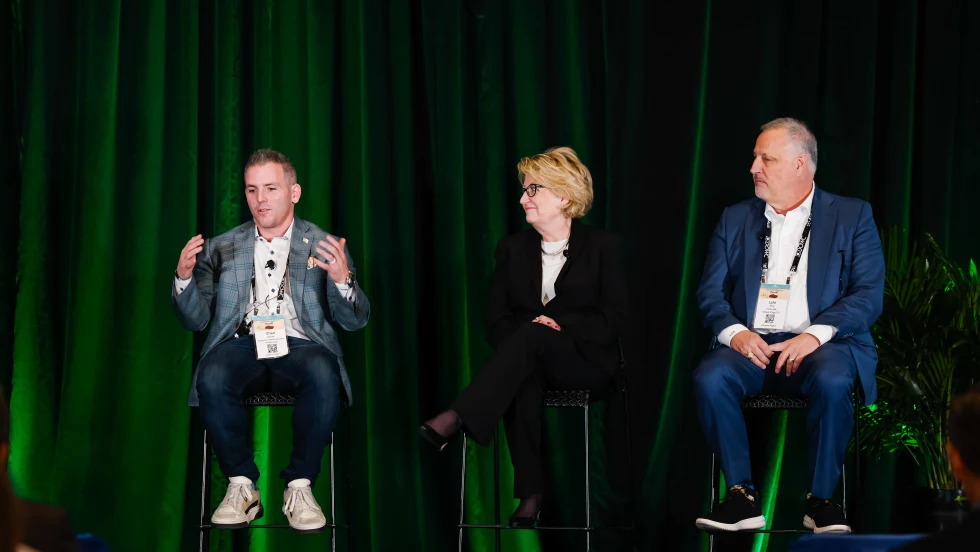
Agent Acumen
An Agent Summit panel of people who’ve been supporting auto dealers for years gave both timely and timeless advice for those starting out or mulling the prospect.
Read More →
Missed Maintenance Creates Opportunity
As families get back on the road and into daily school routines, service drives have an opportunity to capture customers who are behind on recommended vehicle maintenance.
Read More →