



Protective Reports Results for the Q3 2009

BIRMINGHAM, Ala. - Protective Life Corp.'s net income for the third quarter of 2009 was $27.6 million, or $0.32 per average diluted share, compared to a net loss of $100.0 million, or $1.41 per average diluted share, in the third quarter of 2008.
Operating income, after-tax, for the third quarter of 2009 was $47.9 million, or $0.55 per average diluted share, compared to $62.5 million, or $0.88 per average diluted share, in the third quarter of 2008.
Net income for the nine months ended September 30, 2009, was $140.5 million, or $1.77 per average diluted share, compared to a net loss of $25.9 million, or $0.36 per average diluted share, in the nine months ended September 30, 2008. Operating income, after tax, for the nine months ended September 30, 2009 was $190.3 million, or $2.40 per average diluted share, compared to operating income, after tax, of $183.2 million, or $2.57 per average diluted share, in the nine months ended September 30, 2008.
Book value per share increased to $26.91 at quarter-end, compared to $10.89 at December 31, 2008.
John D. Johns, Protective’s Chairman, President and CEO said, “We continue to expand the breadth and depth of our annuity distribution platform, and we saw a strong increase in variable annuity sales and positive fund flows in our major annuity product lines. We also made some good progress in expanding our capacity to distribute universal life products. Our universal life sales increased 33% over last year’s third quarter in the face of some very difficult market conditions.
"Our Asset Protection segment continued to perform in line with expectations. Asset Protection sales were up about $10 million during the quarter on a sequential basis. Just after the quarter closed, we successfully refinanced surplus notes supporting one of our securitization structures. We expect that the transaction will generate a substantial increase in operating earnings in the fourth quarter and will also further bolster our capital base and capital ratios at year-end."
Johns added that earnings in the quarter were negatively impacted by the substantial amounts of excess liquidity that Protective continued to carry, less favorable mortality, some consolidation and other unusual expense items and impairments in the investment portfolio.
More Industry
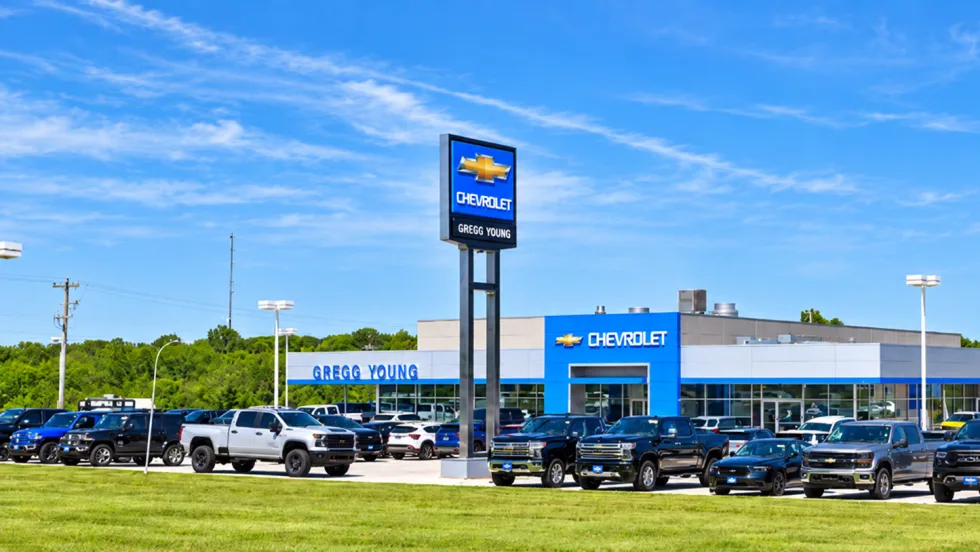
Nebraska Rooftop Changes Hands
The Gregg Young Automotive Group has sold its second dealership to Janssen Auto Group, both in Plattsmouth, Neb.
Read More →
Penske Auto Group Deal a Record
The deal to take the dealership and transportation services company private sets a new pace for industry buy-sell transactions.
Read More →
War Toll a Damper on Used Auto Prices
Cox Automotive found wholesale depreciation to be elevated in September amid high fuel prices and this year's unusual hurricane season.
Read More →
Bridge the Maintenance Gap
With many drivers missing recommended maintenance, service departments offering transparency and efficiency have a better chance of reaching financially strained consumers.
Read More →
California Store Has New Owner
The longtime dealership in the northern part of the state is known for robust fleet sales and has served the state capital for 115 years.
Read More →
BMW Plant Pursues Cleaner Energy
BMW Group Plant Leipzig has utilized hydrogen to help power its production since 2013, but a new pipeline is planned to take it to another level.
Read More →
Auto Affordability Inches Up
The latest Cox Automotive and Moody’s Analytics index shows a slight increase in new-vehicle affordability despite high prices.
Read More →
Ohio Auto Group Under New Ownership
After 79 years with the Schluter family, Mansfield Auto Group has been acquired by Missouri-based Clement Auto Group.
Read More →
RV Group Expands Carolina Footprint
Blue Compass RV Columbia Northeast is the 13th RV dealership owned by Blue Compass in the Carolinas.
Read More →
Agent Acumen
An Agent Summit panel of people who’ve been supporting auto dealers for years gave both timely and timeless advice for those starting out or mulling the prospect.
Read More →