



Porsche Advances After Investors Back $6.5 Billion Share Sale to Cut Debt

Porsche SE advanced to the highest in 13 months after investors approved a 5 billion-euro ($6.5 billion) stock sale to reduce the sports-car maker’s debt before a combination with Volkswagen AG, Europe’s largest carmaker, reported Bloomberg.
The preferred shares rose 2.95 euros, or 5.1 percent, to 60.78 euros, the highest since Oct. 20, 2009, and were up 1.9 percent as of 10:31 a.m. in Frankfurt. VW gained 2.1 percent.
Porsche shareholders late yesterday voted in favor of raising the funds, half of which will come from the Porsche and Piech families, who control the common stock. Investors holding 88 percent of the publicly traded preferred shares supported the measure, the Stuttgart, Germany-based carmaker said.
The maker of the 911 sports car agreed to combine with VW in August 2009 after a failed attempt by Porsche to gain control of VW. Proceeds from Porsche’s share sale, which the company aims to complete by May 30, will be used to help pay back a 2.5 billion-euro bank loan expiring at the end of June.
“The capital increase is a necessary step to take if the merger with VW is to be achieved,” Jens Meyer, a fund manager at Frankfurt-based Deka Investment GmbH, said. “A merger is the only chance to be able to participate in the carmaker’s healthy long-term financial basis.”
Porsche’s preferred shares have risen 36 percent in 2010, while VW’s preferred stock has surged 95 percent, valuing the Wolfsburg, Germany-based carmaker at 53.6 billion euros.
“Porsche preferred shares are the cheapest way to get a slice of a joint company,” said Juergen Meyer, who oversees about 1 billion euros at SEB Asset Management in Frankfurt including more than 1.4 million Porsche shares.
High Debts
Porsche racked up more than 10 billion euros of debt in its unsuccessful attempt to buy VW. Volkswagen now owns 49.9 percent of Porsche’s carmaking operations. Costs linked to Porsche’s purchase of VW stock in the takeover bid led to two consecutive years of net losses.
Holders of common stock unanimously backed the capital increase at yesterday’s meeting. The vote needed the approval of 75 percent of common and preferred shareholders present to pass.
“All stakeholders will benefit as a result,” said VW Chief Executive Officer Martin Winterkorn, who also runs Porsche’s holding company. “You are playing a key role in two of the companies best placed to master the challenges of tomorrow’s automotive industry.”
The deadline for the share sale would be extended until Aug. 30 should any investor lawsuits result in a delay, Chief Financial Officer Hans Dieter Poetsch said.
“The capital increase should prove a decisive step to reduce our company’s liabilities,” said Poetsch, who also holds VW’s top finance post.
Merger Delays
Even though shareholders backed the capital increase, the merger, originally scheduled for completion in the second half of 2011, may stall until the resolution of tax disputes in Germany and lawsuits in the U.S., Winterkorn said.
U.S.-based short sellers of VW stock have sued Porsche, claiming the carmaker secretly piled up VW shares and later caused the investors to lose more than $1 billion. A U.S. court will determine in January whether the case may proceed.
VW is also working with German tax authorities to resolve issues connected to the merger. Legal requirements tied to Porsche’s structure could result in taxes of as much as 2 billion euros if the two merged before the end of 2014, Poetsch said.
VW can also opt for a put/call structure from late 2012 to buy the remaining 50.1 percent of Porsche’s car-making operations for 3.9 billion euros should the lawsuits and tax issues delay the merger. Such a move could inflict a tax burden of at least 1 billion euros, Poetsch said.
“The holders of preferred shares are the big losers,” said Christian Strenger, a former management board chairman at DWS Investment GmbH. “The Porsche and Piech families are to be blamed that Porsche got engulfed in Icarus-style financial speculation.”
More Industry

Penske Auto Group Deal a Record
The deal to take the dealership and transportation services company private sets a new pace for industry buy-sell transactions.
Read More →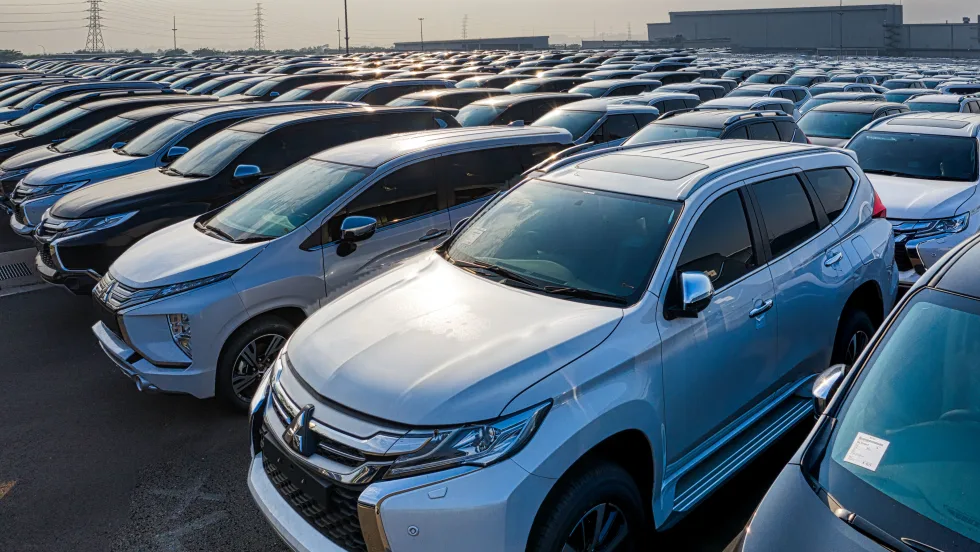
War Toll a Damper on Used Auto Prices
Cox Automotive found wholesale depreciation to be elevated in September amid high fuel prices and this year's unusual hurricane season.
Read More →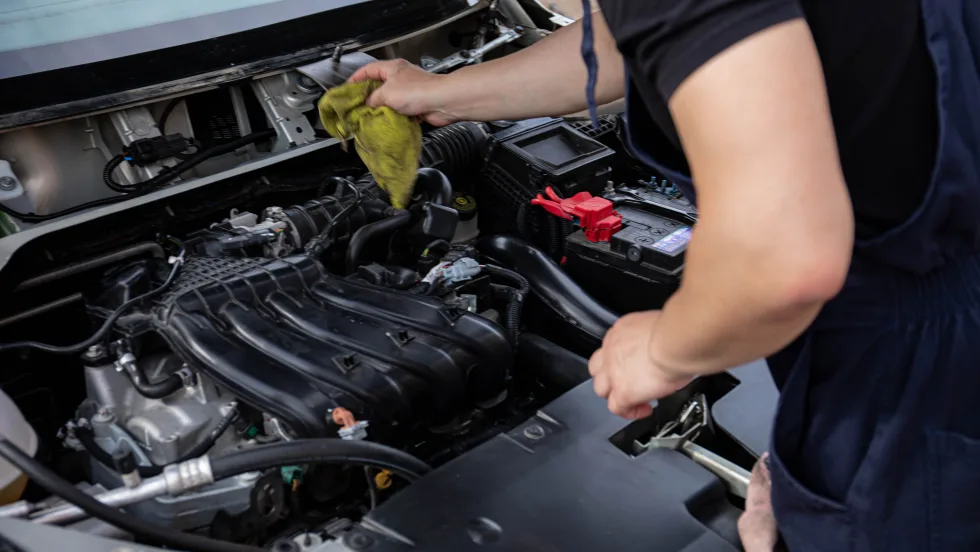
Bridge the Maintenance Gap
With many drivers missing recommended maintenance, service departments offering transparency and efficiency have a better chance of reaching financially strained consumers.
Read More →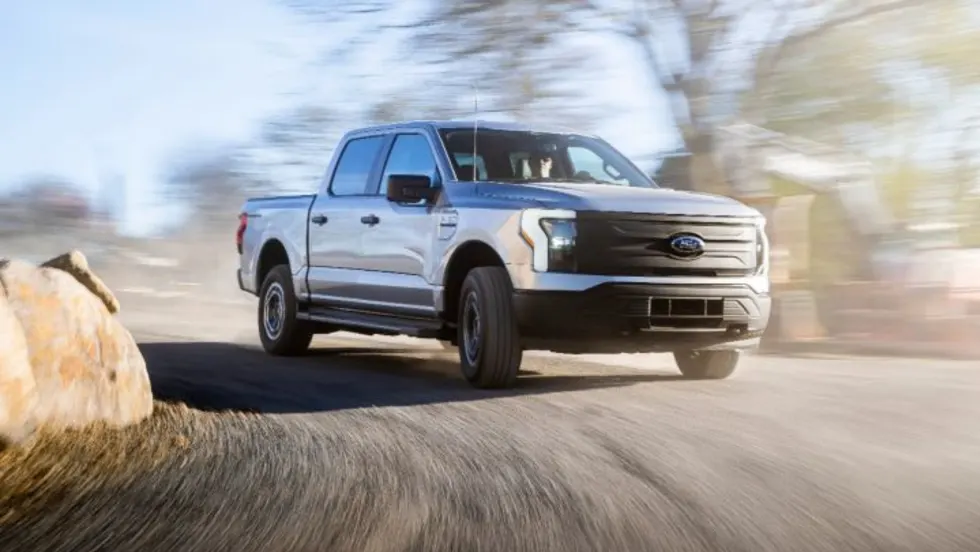
California Store Has New Owner
The longtime dealership in the northern part of the state is known for robust fleet sales and has served the state capital for 115 years.
Read More →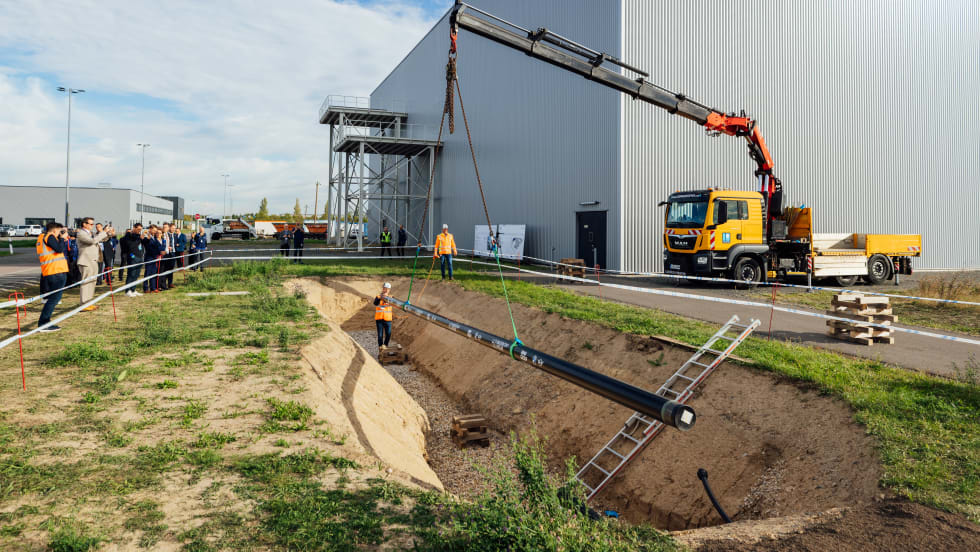
BMW Plant Pursues Cleaner Energy
BMW Group Plant Leipzig has utilized hydrogen to help power its production since 2013, but a new pipeline is planned to take it to another level.
Read More →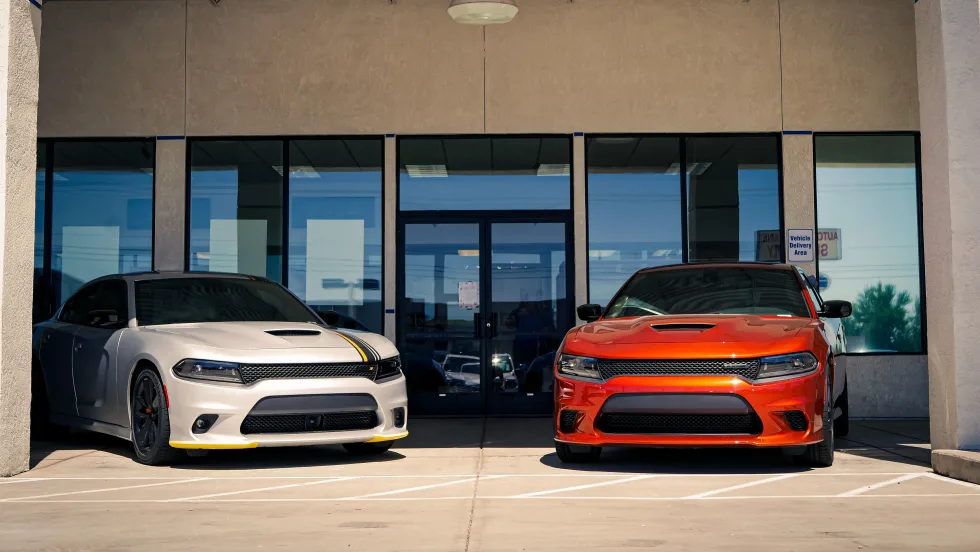
Auto Affordability Inches Up
The latest Cox Automotive and Moody’s Analytics index shows a slight increase in new-vehicle affordability despite high prices.
Read More →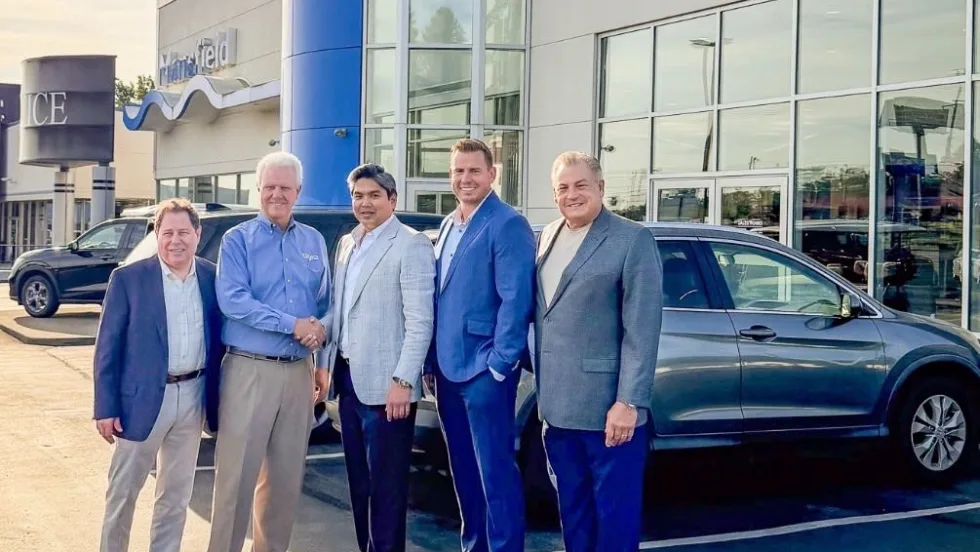
Ohio Auto Group Under New Ownership
After 79 years with the Schluter family, Mansfield Auto Group has been acquired by Missouri-based Clement Auto Group.
Read More →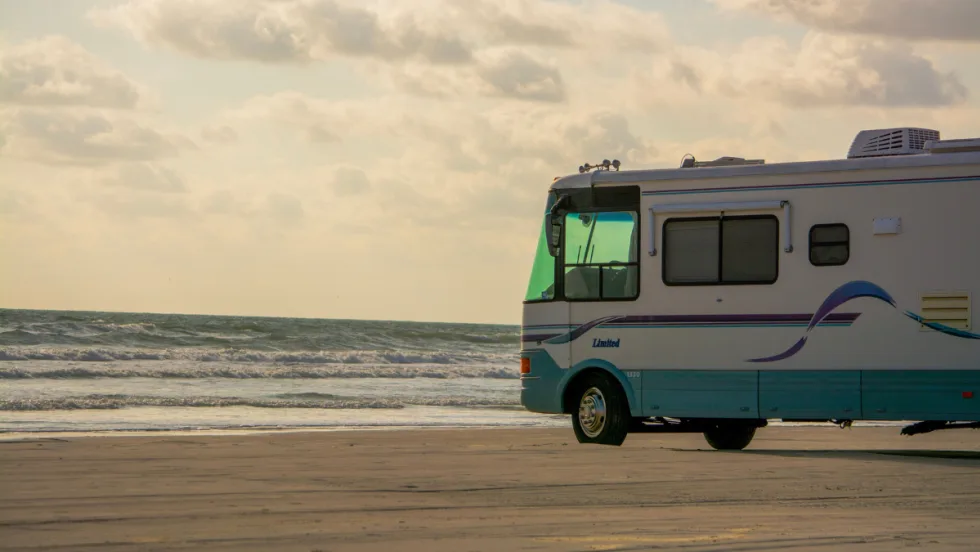
RV Group Expands Carolina Footprint
Blue Compass RV Columbia Northeast is the 13th RV dealership owned by Blue Compass in the Carolinas.
Read More →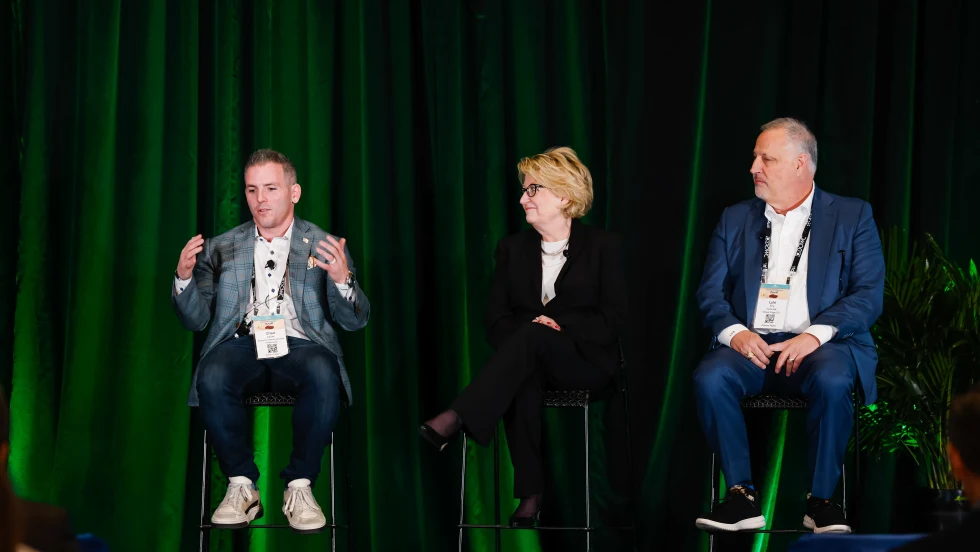
Agent Acumen
An Agent Summit panel of people who’ve been supporting auto dealers for years gave both timely and timeless advice for those starting out or mulling the prospect.
Read More →
Missed Maintenance Creates Opportunity
As families get back on the road and into daily school routines, service drives have an opportunity to capture customers who are behind on recommended vehicle maintenance.
Read More →