



Nissan Drives to Close Gap

TOKYO — Nissan Motor Co. plans to increase its global market share to 8 percent in a bid to close the gap with rival Toyota Motor Corp. in key markets around the world.
Nissan, Japan's No. 2 auto maker by volume, after Toyota, had a 5.8 percent global market share last year.
The new Nissan goal is part of a two-pronged plan to increase profit and volume over the next six years and sets the core of the auto maker's latest midterm strategy, according to people familiar with the matter, which is scheduled to be announced Monday after the close of trading on the Tokyo Stock Exchange, reported The Wall Street Journal.
Another target in Nissan's midterm business plan, dubbed Power 88, calls for achieving an 8 percent operating profit margin within the six-year time frame, the people said. That would exceed last year's 6.1 percent for operating income as a portion of net sales, but be well below the double-digit levels the Yokohama-based company reached in the early 2000s.
Nissan's market-share and profit goals contrast with the more-muted objectives of Toyota's "global vision" plan, which was announced the day before Japan's March 11 earthquake. Toyota set a goal for a 5 percent operating profit margin to be achieved "as soon as possible" and didn't target a specific market share.
Toyota's operating income as a percentage of net sales hit 2.5 percent last year, and the company's global market share was an industry-leading 11.6 percent. Nissan hit its peak global share in 1991, with 6.6 percent.
The new strategy marks a return to form for Nissan President and Chief Executive Carlos Ghosn, who has made highly focused midterm plans a hallmark of his tenure, beginning with the "Nissan revival plan" of 1999, when he served as chief operating officer. The latest plan is expected to include details on the company's coming new vehicles, market-share targets and engine technology.
The new midterm plan supplants a strategy announced to less fanfare three years ago, known as GT 2012, which called for the relatively modest goal of 5 percent average revenue growth over a five-year period. Nissan officials said recently they had to forgo making bolder commitments when formulating that earlier strategy amid a rapidly worsening global economic environment in 2008.
The latest plan, the longest of any so far from Nissan, appears to send a signal that the auto maker is poised for stronger growth in the next several years, after weathering the 2008 global economic downturn, Japan's earthquake this year and persistent yen strength.
Mr. Ghosn, who at Nissan's annual shareholder meeting on Wednesday is expected to receive another two-year term as CEO, said he wants to consolidate Nissan's efforts to build its presence globally by focusing on major markets such as China, the U.S. and Japan. In so doing, he is eyeing Toyota's position of leadership among Asian auto makers in such countries.
"Nissan is moving from a challenger to one of the established leaders in the automotive industry and certainly competing at par with other Asian makers," he said in an interview Friday. "That's what we want to achieve."
Nissan last week announced it aims to lift global sales 9.9 percent this fiscal year to 4.6 million vehicles, focusing on growth in China, Japan and the U.S. The company projected a 12 percent gain in the Chinese market to 1.15 million vehicles, a 6.8 percent increase in North America to 1.33 million vehicles and a 1.7 percent uptick in Japan to 610,000 vehicles.
Despite the midterm plan's ambitions, the auto maker is still struggling to recover fully from the difficult April start to its fiscal year, after the earthquake in northeastern Japan. That disaster severely disrupted supply chains in the country and forced production cuts at factories world-wide run by Nissan and most other Japanese auto makers.
Nissan last week said it expects to resume full production at all of its plants by October as parts suppliers recover from the crisis. But Toyota has said that it expects to restore normal output levels at its domestic and overseas factories in July.
The chief obstacles for Nissan and other Japanese auto makers are higher materials costs and the yen's strength against the dollar. Citing those factors, Nissan last week projected a 15 percent drop in net profit to 270 billion yen ($3.36 billion) for the fiscal year through March. Nissan expects sales to rise 7.1 percent to 9.4 trillion yen in the current fiscal year.
Mr. Ghosn on Friday said he will stay focused on Nissan's growth even as he expects to devote more of his energy to struggling French partner Renault SA, for which he also serves as CEO.
"I will spend more time at Renault because it needs more attention," he said, adding that he won't reduce time spent in Japan at Nissan but rather decrease his schedule in "developing" markets.
Nissan, which started sales of its Leaf all-electric vehicle in the U.S. earlier this year, said last week that it aims to increase its U.S. market share to 10 percent this fiscal year, up from about 8 percent last year.
More Industry

Penske Auto Group Deal a Record
The deal to take the dealership and transportation services company private sets a new pace for industry buy-sell transactions.
Read More →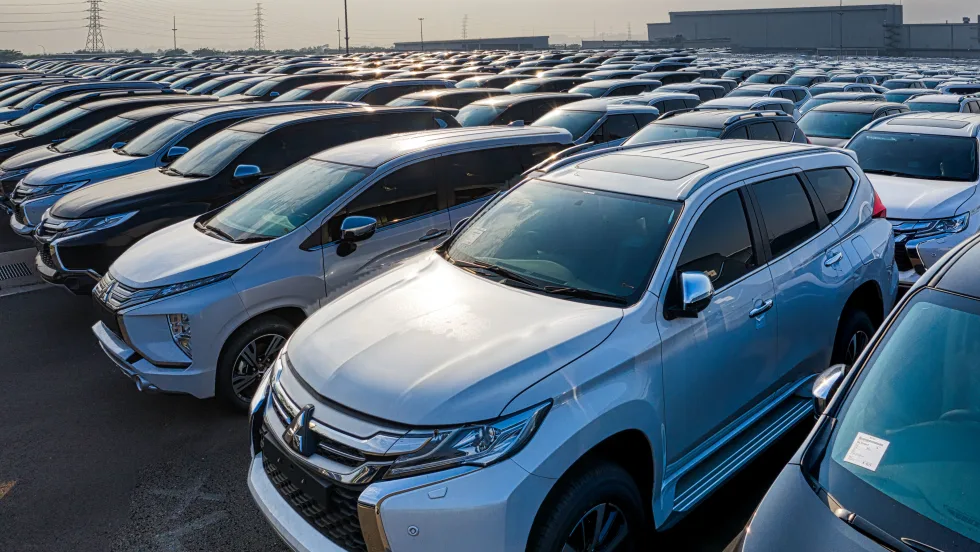
War Toll a Damper on Used Auto Prices
Cox Automotive found wholesale depreciation to be elevated in September amid high fuel prices and this year's unusual hurricane season.
Read More →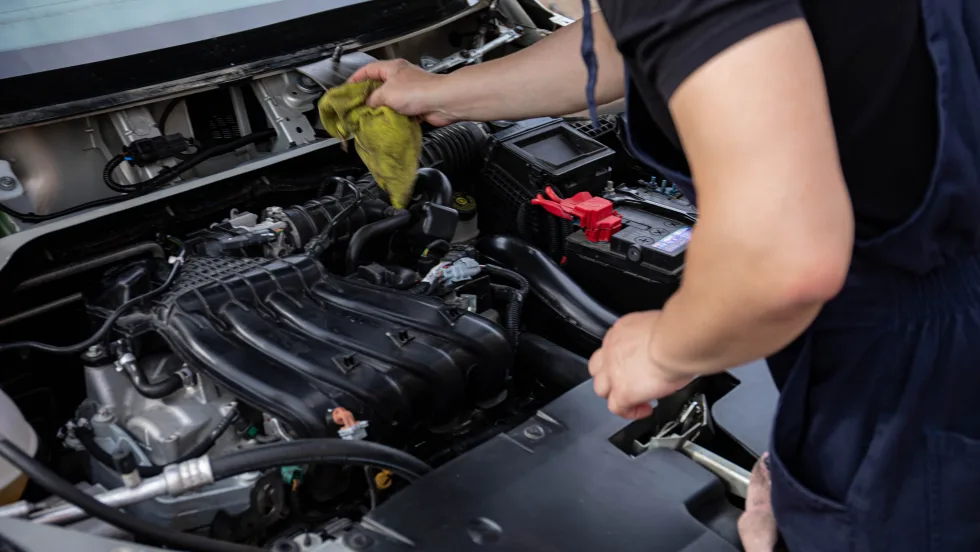
Bridge the Maintenance Gap
With many drivers missing recommended maintenance, service departments offering transparency and efficiency have a better chance of reaching financially strained consumers.
Read More →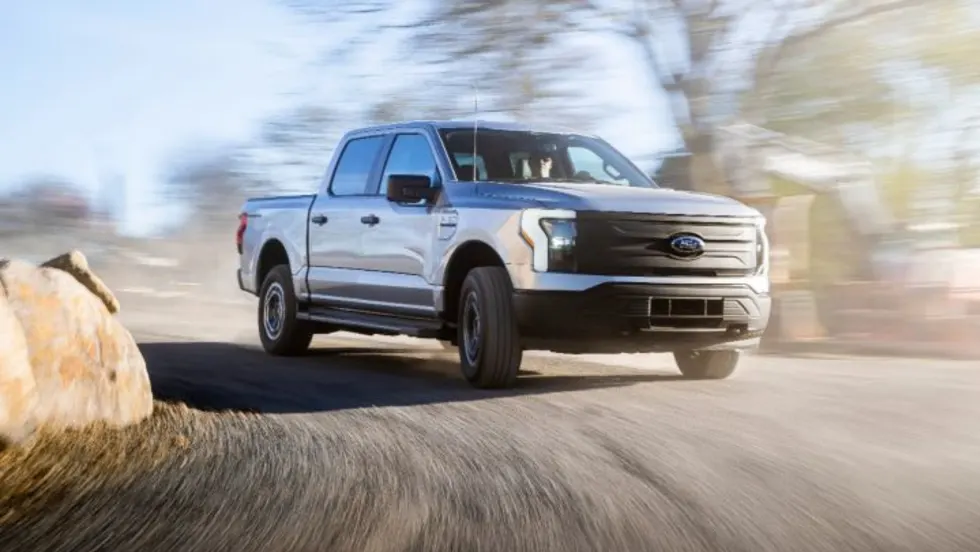
California Store Has New Owner
The longtime dealership in the northern part of the state is known for robust fleet sales and has served the state capital for 115 years.
Read More →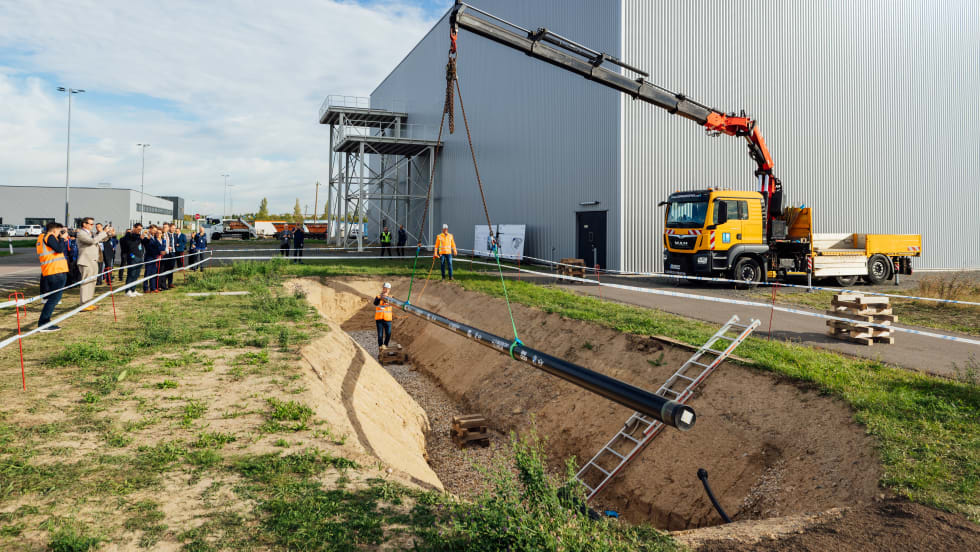
BMW Plant Pursues Cleaner Energy
BMW Group Plant Leipzig has utilized hydrogen to help power its production since 2013, but a new pipeline is planned to take it to another level.
Read More →
Auto Affordability Inches Up
The latest Cox Automotive and Moody’s Analytics index shows a slight increase in new-vehicle affordability despite high prices.
Read More →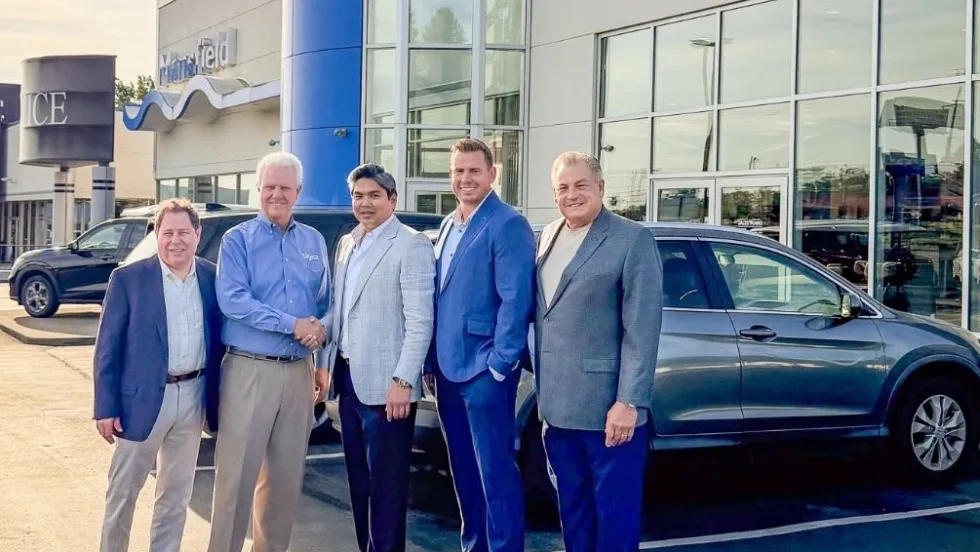
Ohio Auto Group Under New Ownership
After 79 years with the Schluter family, Mansfield Auto Group has been acquired by Missouri-based Clement Auto Group.
Read More →
RV Group Expands Carolina Footprint
Blue Compass RV Columbia Northeast is the 13th RV dealership owned by Blue Compass in the Carolinas.
Read More →
Agent Acumen
An Agent Summit panel of people who’ve been supporting auto dealers for years gave both timely and timeless advice for those starting out or mulling the prospect.
Read More →
Missed Maintenance Creates Opportunity
As families get back on the road and into daily school routines, service drives have an opportunity to capture customers who are behind on recommended vehicle maintenance.
Read More →