



NADA Refutes CFPB Proxy Methodology Report
McLEAN, Va. – In response to the Consumer Financial Protection Bureau’s white paper released last week concerning the use of proxy methodology to identify potential discrimination in indirect auto financing, the National Automobile Dealers Association issued a four point rebuttal: The scope of CFPB’s white paper is very limited. It is confined to an analysis ... Read More »

McLEAN, Va. – In response to the Consumer Financial Protection Bureau’s white paper released last week concerning the use of proxy methodology to identify potential discrimination in indirect auto financing, the National Automobile Dealers Association issued a four point rebuttal:
The scope of CFPB’s white paper is very limited. It is confined to an analysis of how the CFPB determines the probability that a consumer is a member of a particular group. It does not address how the CFPB uses those probabilities to calculate either pricing disparities or the margin of error surrounding those disparities.
The CFPB’s white paper also does not address the essential question of what analytical controls the CFPB uses to ensure the consumers it is comparing are “similarly situated.”
With regard to probabilities, the CFPB’s testing indicates that, frequently, its proxy method, Bayesian Improved Surname Geocoding (BISG), fails to accurately reflect the consumer’s actual race or ethnicity.
Importantly, the white paper does not reveal how the CFPB corrects these problems to ensure its classification of consumers is accurate.
“Concerning the CFPB’s proxy methodology report, many of the questions that Congress and others have asked remain unanswered,” said NADA, the National Association of Minority Automobile Dealers and the American International Automobile Dealers Association in a statement last week. “We look forward to rigorous peer review to ensure that the tools the CFPB is using to address fair credit concerns may actually accomplish its goals.”
In March 2013, the CFPB issued guidance that threatens to eliminate the flexibility of dealers to discount the interest rate offered to consumers to finance vehicle purchases. The CFPB claims that negotiated interest rates between dealers and their customers create a significant risk of unintentional “disparate impact” discrimination.
“There are legitimate, market-based reasons for disparities in interest rates – from monthly budget constraints, to the presence of more competitive offers, to inventory reduction considerations – all of which are nondiscriminatory and all of which can be documented in the transaction,” added NADA, NAMAD and AIADA, the three trade groups that represent U.S. new-car dealers.
More Industry

Penske Auto Group Deal a Record
The deal to take the dealership and transportation services company private sets a new pace for industry buy-sell transactions.
Read More →
War Toll a Damper on Used Auto Prices
Cox Automotive found wholesale depreciation to be elevated in September amid high fuel prices and this year's unusual hurricane season.
Read More →
Bridge the Maintenance Gap
With many drivers missing recommended maintenance, service departments offering transparency and efficiency have a better chance of reaching financially strained consumers.
Read More →
California Store Has New Owner
The longtime dealership in the northern part of the state is known for robust fleet sales and has served the state capital for 115 years.
Read More →
BMW Plant Pursues Cleaner Energy
BMW Group Plant Leipzig has utilized hydrogen to help power its production since 2013, but a new pipeline is planned to take it to another level.
Read More →
Auto Affordability Inches Up
The latest Cox Automotive and Moody’s Analytics index shows a slight increase in new-vehicle affordability despite high prices.
Read More →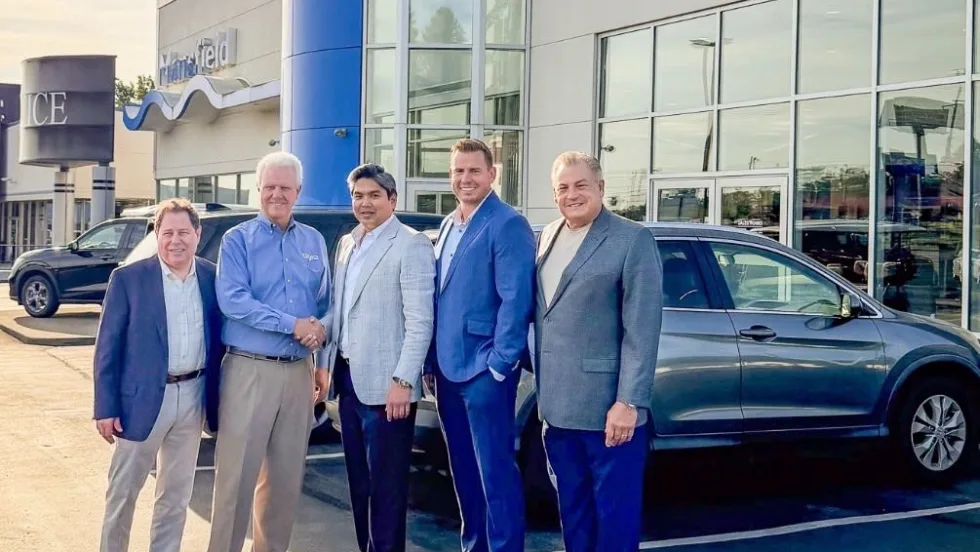
Ohio Auto Group Under New Ownership
After 79 years with the Schluter family, Mansfield Auto Group has been acquired by Missouri-based Clement Auto Group.
Read More →
RV Group Expands Carolina Footprint
Blue Compass RV Columbia Northeast is the 13th RV dealership owned by Blue Compass in the Carolinas.
Read More →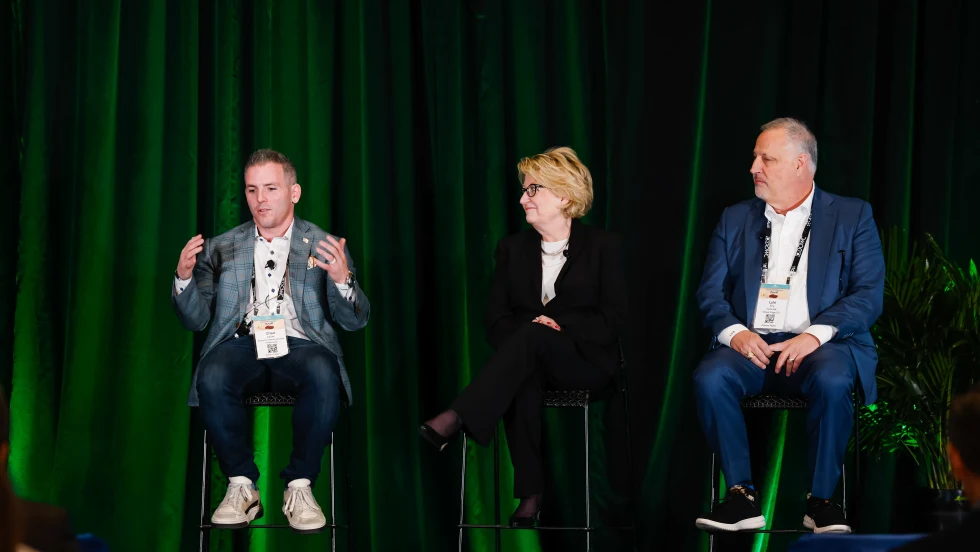
Agent Acumen
An Agent Summit panel of people who’ve been supporting auto dealers for years gave both timely and timeless advice for those starting out or mulling the prospect.
Read More →
Missed Maintenance Creates Opportunity
As families get back on the road and into daily school routines, service drives have an opportunity to capture customers who are behind on recommended vehicle maintenance.
Read More →