



Most Drivers Would Accept Speed-Warning Tech
Survey shows passive warnings to curb growing fatalities would fly, as would stronger measures.


Surprisingly, about half of survey respondents even said they wouldn’t resist the much more encroaching automatic speed restrictors, or technology that makes it harder to put the pedal to the floor.
Pexels/Pixabay
A recent survey found that a majority of consumers would accept in-vehicle speed warnings in their cars.
The nonprofit Insurance Institute for Highway Safety conducted the poll after recent calls to require the technology in new vehicles, including a California state bill currently under consideration. Safety groups including the National Highway Traffic Safety Administration of the federal government, say they’re needed to help curtail growth in high-speed fatalities and reckless driving.
IIHS said that more than 60% of survey respondents would find the warning technology acceptable in their vehicles. About half even said they wouldn’t resist the much more encroaching automatic speed restrictors or technology that makes it harder to put the pedal to the floor.
“These findings are exciting because they suggest American drivers are willing to change how they drive to make our roads safer,” IIHS President David Harkey said in a press release on the survey results. “The conventional wisdom has always been that speed-restricting technology would never fly in our car-centric culture.”
The group cited a NHTSA statistic of more than 12,000 speed-related U.S. crashes in 2022 and an AAA Foundation for Traffic Safety poll that found about half of drivers say they drove at least 15 mph over speed limits within a month of the poll.
“We can no longer pretend this is an unsolvable problem,” said IIHS Senior Research Scientist Ian Reagan, who designed the survey about intelligent speed assistance. “With the technologies we have now, we could stop virtually all speeding and eliminate speeding tickets to boot. Instead, we seem to be going the opposite direction, with adaptive cruise control and partial automation systems that allow drivers to peg their speed at 90 mph if they want.”
What are known variously as passive speed limiters, passive speed governors or Intelligent Speed Assistance are audible and visual warning signals when vehicle speed exceeds posted limits. The technology is gaining traction. Starting next month, the European Union will require the technology in vehicles sold on the continent.
Originally posted on Auto Dealer Today
More Product & Technology
Computer Headaches on the Road
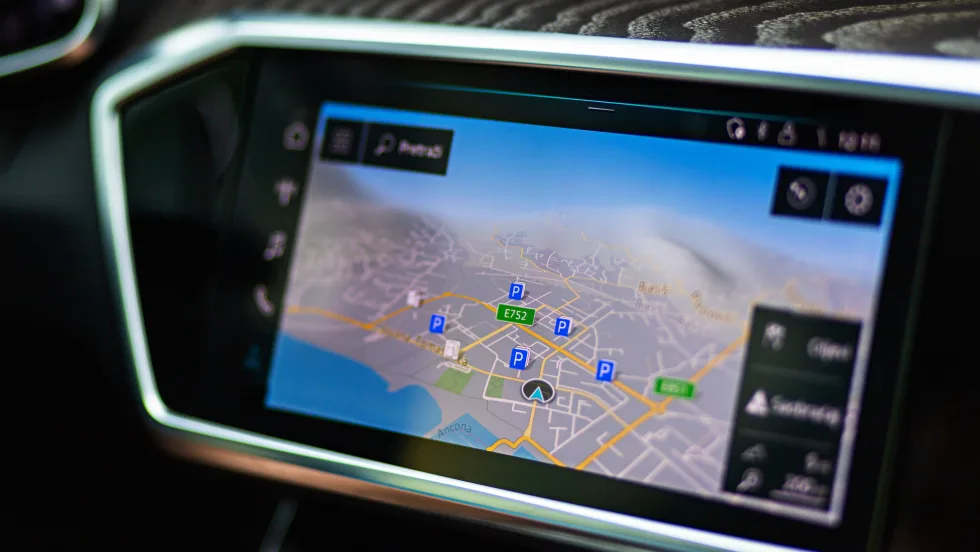
Consumers keep complaining about new cars’ infotainment tech, but are automakers listening? A recent survey shows regression except for mapping and speakers.
Read More →
Another Death Tied to Imported Air Bags
The Texas traffic fatality is the 11th federal regulators have connected to defective inflators imported from China. They urge that a certain population of used vehicles be inspected.
Read More →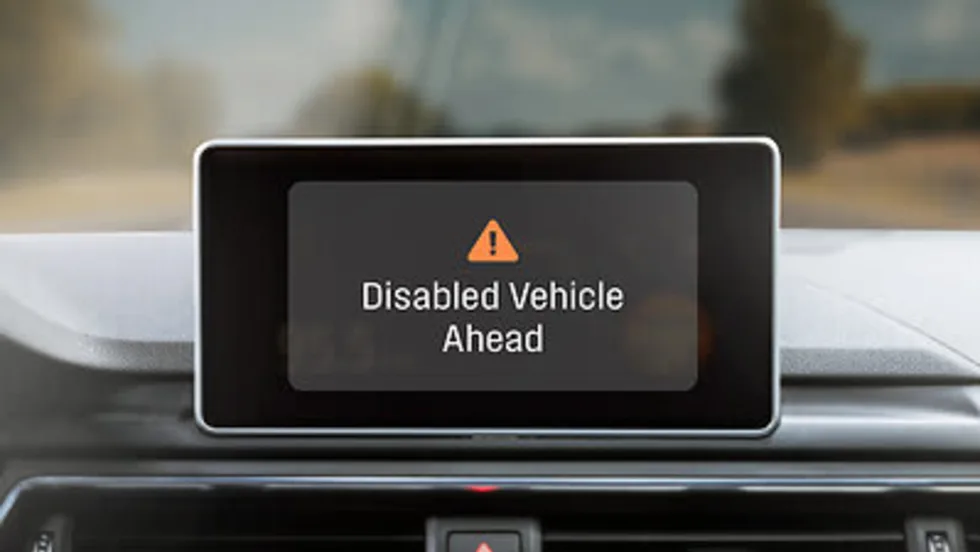
Roadside Warnings Debut
Mazda works with AAA and a technology company to alert passersby to stranded vehicles from its lineup, for both parties’ safety.
Read More →
AI As Trainer?
This month, Agent Entrepreneur Editor Hannah Mitchell shares an artificial-intelligence development that could upend traditional dealership training.
Read More →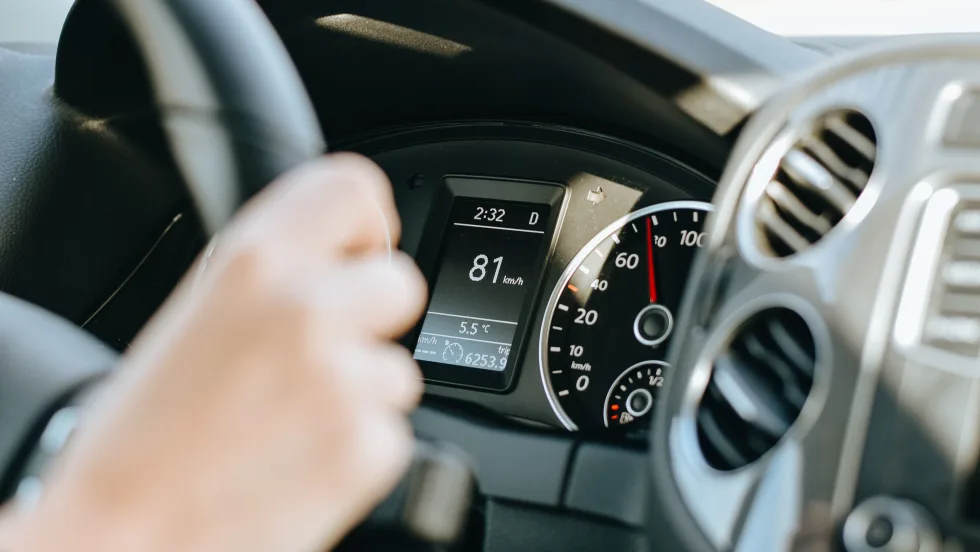
A Lingering Auto Tech Divide
Automakers still struggle to hit consumers’ sweet spot, hanging onto the despised touchscreen and adding other complex systems while simple, effective details hit the mark.
Read More →
AI, China and the Next Wave of Auto Retail Innovation
F&I sits at the center of the changes expected to sweep the industry in just the new few years as new players change the game.
Read More →
That Bot Can Do a Lot
Artificial intelligence was all the buzz at the 2026 Agent Summit. A panel of tech specialists broke through the noise to give agents guidance on steering dealer clients.
Read More →
Cyber F&I
Your dealer clients could only benefit from showcasing products on their websites along with vehicle inventory. Modern consumers expect to be informed and are more likely to buy products when they are.
Read More →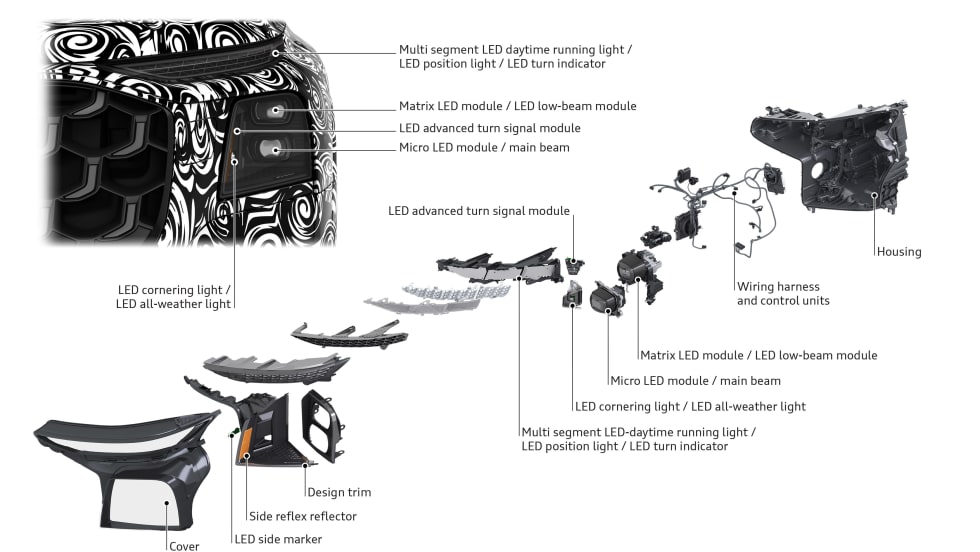
Road Glare to Drop a Notch?
Audi is preparing two SUV models for the American market with the automaker’s adaptive LED headlights. Its technology is designed to reduce brightness for other drivers, a growing complaint among U.S. motorists.
Read More →
AppOne Partners With RouteOne for E-Contracting Solution
By digitizing the entire contracting and funding process, the company says auto dealers can eliminate frustrating and disorganized manual processes.
Read More →