



Maritz Research: Cash for Clunkers Created Significantly More Incremental Auto Sales than Previously Reported

ST. LOUIS – Comprehensive consumer research released by Maritz Automotive Research Group demonstrates that the Cash for Clunkers program succeeded in creating significantly more incremental sales than previously estimated without negatively impacting future automotive sales. The research findings provide strong evidence that Cash for Clunkers spurred consumers to buy or lease new, fuel-efficient automobiles without sacrificing future car or truck sales. Like previous National Highway Traffic Safety Administration (NHTSA) data that demonstrated CARS increased jobs and reduced greenhouse gases, these sales numbers are a solid indication that Cash for Clunkers achieved its objectives. “Our findings not only provide strong evidence that many more vehicles were sold as a direct result of the incentive program than were previously estimated, but they also largely debunk the myth that Cash for Clunkers mortgaged future car and truck sales," said Vice President Dave Fish, PhD. "In fact, the program resulted in sales of vehicles to people who don’t normally buy them.” Using its New Vehicle Customer Study (NVCS), which is conducted year round, Maritz surveyed nearly 36,000 consumers who bought a new car or truck during the implementation of the Car Allowance Rebate System (CARS) from July to August 2009. The NVCS findings show that the Cash for Clunkers program created 542,000 incremental new car or truck sales, meaning that those auto buyers and lessees would not have existed without the incentive program. Previous estimates put resulting incremental sales at somewhere between 125,000 and 346,000. Maritz’ analysis reveals that of consumers acquiring a new vehicle (CARS and Non-CARS participants) in July and August 2009:
Only four percent of participants in the CARS program would have still purchased or leased a vehicle without the extra incentive.
Thirty-one percent took advantage of the incentive rebate specifically because of the CARS program.
Thirteen percent intended to take advantage of the incentive but did not qualify.
About half (52 percent) did not participate in CARS and never intended to.
According to government records published on www.CARS.gov, 677,000 vehicles qualified as CARS transactions. The Maritz study demonstrates that the vast majority (542,000) of consumers indicated that CARS was the main motivation for purchasing or leasing a vehicle when they did. Moreover, an estimated additional 223,000 vehicles sold during July and August 2009 were purchased by consumers who wanted to participate in CARS, but did not qualify, yet they purchased or leased a new vehicle anyway. “The ‘halo sales’ of 223,000 vehicles were an added bonus to the already solid results produced by the CARS program,” Fish said. The Maritz study also debunks concerns that CARS was mortgaging the future by stealing sales that would have occurred anyway at a later date. While experiencing a slight dip in sales in September 2009, most likely due to a shortage of auto dealer inventory, the Seasonally Adjusted Annual Rate (SAAR) from October through December 2009 shows that automobiles continued to sell at a higher pace than before the CARS program was implemented, according to statistics from the U.S. Department of Commerce’s Bureau of Economic Analysis. Maritz’ NVCS also shows that Cash for Clunkers did not attract the “normal” new car buyer, but an unorthodox pool of consumers, including many used car owners, first-time car buyers, consumers who were trading in cars with more than 100,000 miles and buyers adding an additional vehicle to their family fleet. More specifically:
Typical CARS program buyers were more often first time new buyers (16%) than typical new car buyers (12%).
CARS buyers were more often adding to their household fleet (31%) than non-CARS buyers (22%).
More than 60 percent of consumers who bought a vehicle under the CARS program plan on driving their vehicles as long as possible, rather than replacing them every few years. This compares with 38 percent of non-CARS participants.
Fifty-eight percent of CARS participants were trading in vehicles they originally purchased used (versus 28% for non-CARS participants).
Nearly 80 percent of all trade-ins had more than 100,000 miles.
Half of trade-ins were more than 10 years old.
“These results provide strong empirical evidence that CARS did not impede future sales. Vehicles were sold to people who don’t normally buy them,” Fish concluded.
More Industry

Penske Auto Group Deal a Record
The deal to take the dealership and transportation services company private sets a new pace for industry buy-sell transactions.
Read More →
War Toll a Damper on Used Auto Prices
Cox Automotive found wholesale depreciation to be elevated in September amid high fuel prices and this year's unusual hurricane season.
Read More →
Bridge the Maintenance Gap
With many drivers missing recommended maintenance, service departments offering transparency and efficiency have a better chance of reaching financially strained consumers.
Read More →
California Store Has New Owner
The longtime dealership in the northern part of the state is known for robust fleet sales and has served the state capital for 115 years.
Read More →
BMW Plant Pursues Cleaner Energy
BMW Group Plant Leipzig has utilized hydrogen to help power its production since 2013, but a new pipeline is planned to take it to another level.
Read More →
Auto Affordability Inches Up
The latest Cox Automotive and Moody’s Analytics index shows a slight increase in new-vehicle affordability despite high prices.
Read More →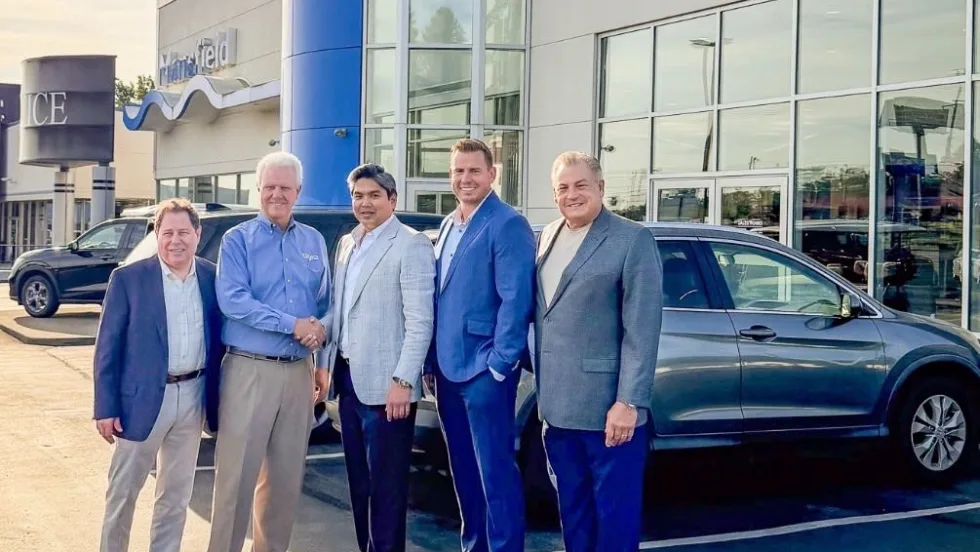
Ohio Auto Group Under New Ownership
After 79 years with the Schluter family, Mansfield Auto Group has been acquired by Missouri-based Clement Auto Group.
Read More →
RV Group Expands Carolina Footprint
Blue Compass RV Columbia Northeast is the 13th RV dealership owned by Blue Compass in the Carolinas.
Read More →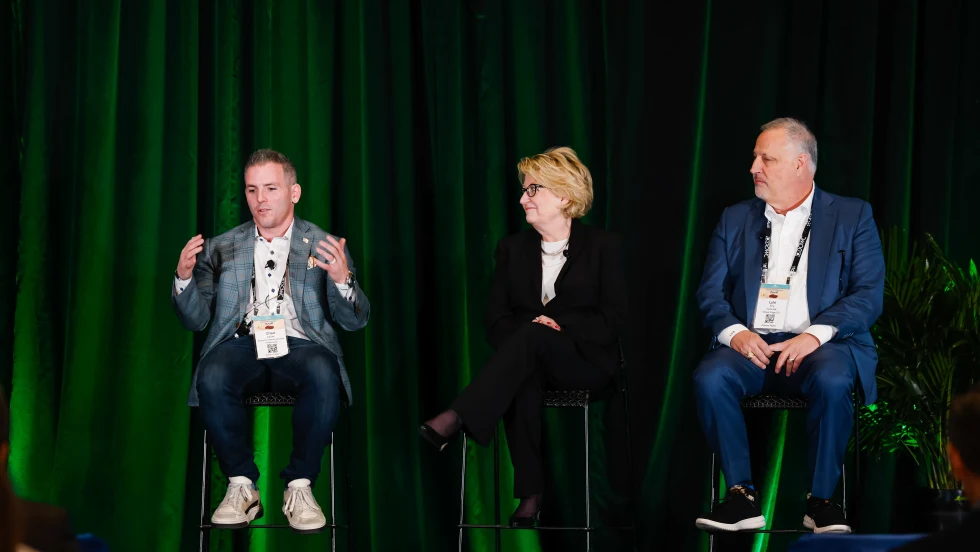
Agent Acumen
An Agent Summit panel of people who’ve been supporting auto dealers for years gave both timely and timeless advice for those starting out or mulling the prospect.
Read More →
Missed Maintenance Creates Opportunity
As families get back on the road and into daily school routines, service drives have an opportunity to capture customers who are behind on recommended vehicle maintenance.
Read More →