



Marchionne Offers Reform Model To Stagnant Italy

Sergio Marchionne performed a near-miracle in turning around the fortunes of Italy's flagship industrial company Fiat. Now business leaders and economists hope he can do the same for its hidebound and ailing economy.
With Prime Minister Silvio Berlusconi embroiled in yet another sex scandal and bent more on political survival than policy initiatives, economic reform in Italy seems to have been commandeered by the charismatic Italian-Canadian businessman, reported Reuters.
For almost a year Marchionne has been facing down Italy's largest engineering union in a battle that could eventually change labor relations in the euro zone's third largest economy more than any government has done for decades.
He announced the closure of one unproductive car plant in Sicily. He has threatened to stop investing in the others and move output abroad unless factories accept tougher rules on working hours, sick pay and strikes. And he has formed new companies at the local factory level which operate outside employers' confederation Confindustria, so they are not bound by the collective labor rules negotiated between the confederation and the trade unions.
"What is happening at Fiat marks an important turning point in Italy's system of industrial relations," says labor law expert Pietro Ichino. "It is greatly increasing the scope to set factory level deals in contrast to national contracts."
The current system, based largely on blanket, industry-wide agreements, fails to adequately recognize different conditions from company to company and has been one reason for the dramatic loss of competitiveness of Italian industry. In the last 10 years production costs have risen 25 percent more than in Germany.
There is no doubt Italy is in dire need of reform.
Its economic growth consistently lags its euro zone partners and, according to International Monetary Fund data, it was the world's fourth most sluggish economy between 2000 and 2010, ahead of Zimbabwe, Eritrea and Haiti. Real disposable income has been stagnant since 1990 and the average hourly wage, adjusted for the cost of living, is 30-40 percent below that of its three main European peers, Germany, France and Britain. It is the only euro zone country where per capita output is lower now than it was in 2000.
Of course there are many reasons for this state of affairs, but analysts agree that one factor is the rigid and centralised system of industrial relations and an inability to increase productivity in line with its competitors.
This is where Marchionne comes in. Under a best case but far from automatic scenario, his shock therapy for Fiat, which dominates a domestic car industry worth 11 percent of GDP, could pave the way to similar changes in Italy's broader economy.
Tito Boeri, economics professor at Milan's Bocconi University, says Marchionne has provided "a healthy shock" to worker-union relations, and the Fiat chief is being egged on from the sidelines by his peers in Italian big business.
"We have to reform the collective bargaining system and the Fiat example is a good one to follow," says Confindustria president Emma Marcegaglia.
She has no concerns about Fiat's "opting out" of Confindustria's labor accords with unions which she says should now be superseded by a more flexible approach.
Last June Marchionne won a first workers' referendum in favor of his proposals at the southern plant of Pomigliano, near Naples, and in December the second victory came, narrowly, at the Mirafiori plant in Fiat's historic base of Turin.
More Industry

RV Group Expands Carolina Footprint
Blue Compass RV Columbia Northeast is the 13th RV dealership owned by Blue Compass in the Carolinas.
Read More →
Agent Acumen
An Agent Summit panel of people who’ve been supporting auto dealers for years gave both timely and timeless advice for those starting out or mulling the prospect.
Read More →
Missed Maintenance Creates Opportunity
As families get back on the road and into daily school routines, service drives have an opportunity to capture customers who are behind on recommended vehicle maintenance.
Read More →
Mitsubishi Unveils U.S. Plan
The automaker announced a strategy that includes an expanded lineup and dealership presence, along with more ‘rugged’ and electric models.
Read More →
Selling to Grow
The question of whether you should sell your agency and if so, when, is up to you. But it’s a question worth asking to ensure you keep the business on the right path for yourself, employees and clients.
Read More →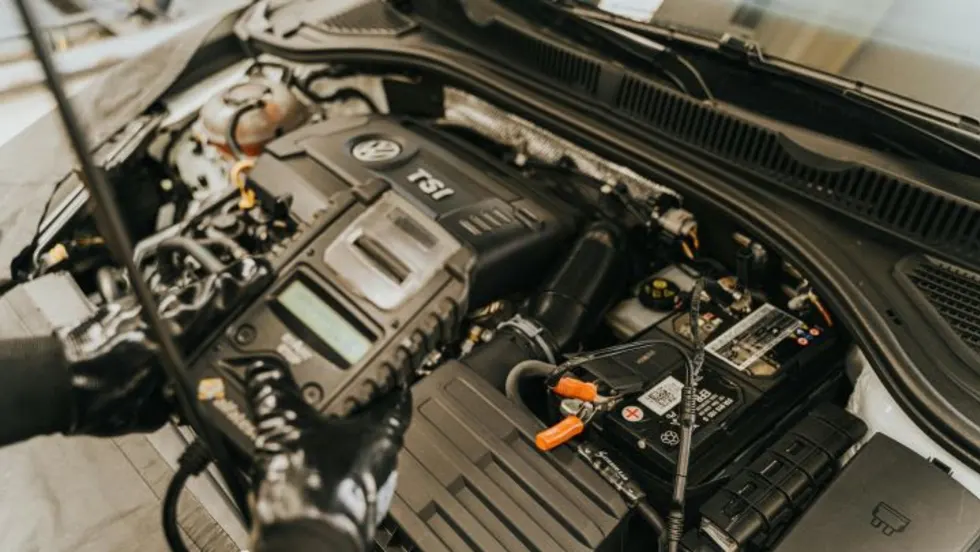
Recalled Vehicles Hit 5-Year High
Though the number of events has fallen so far this year, impacted units are up significantly. Meanwhile, regulators consider consumer notification changes.
Read More →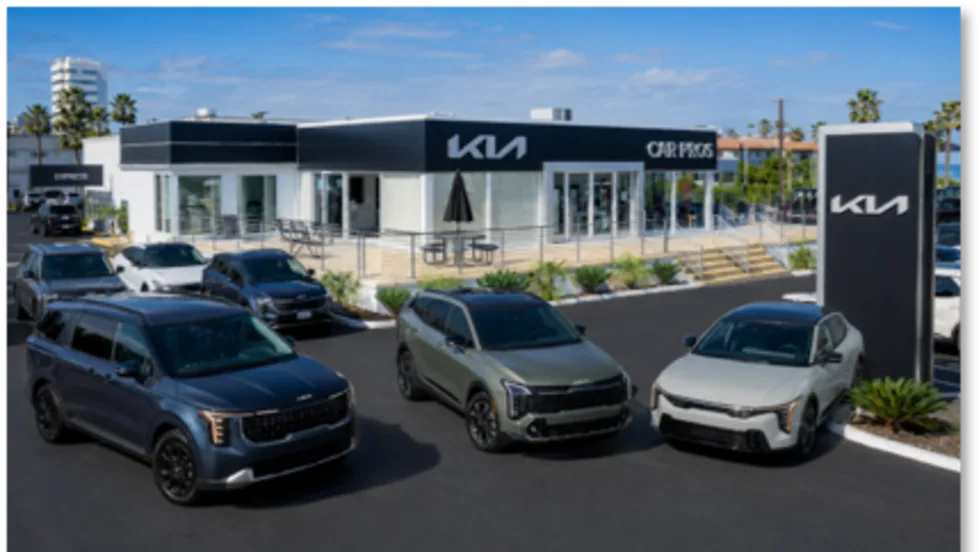
Auto Group Acquires Top-Performing Rooftop
Car Pros sold its Kia Huntington Beach location to Sutherlin Automotive Group, marking the buyer’s third location in Southern California.
Read More →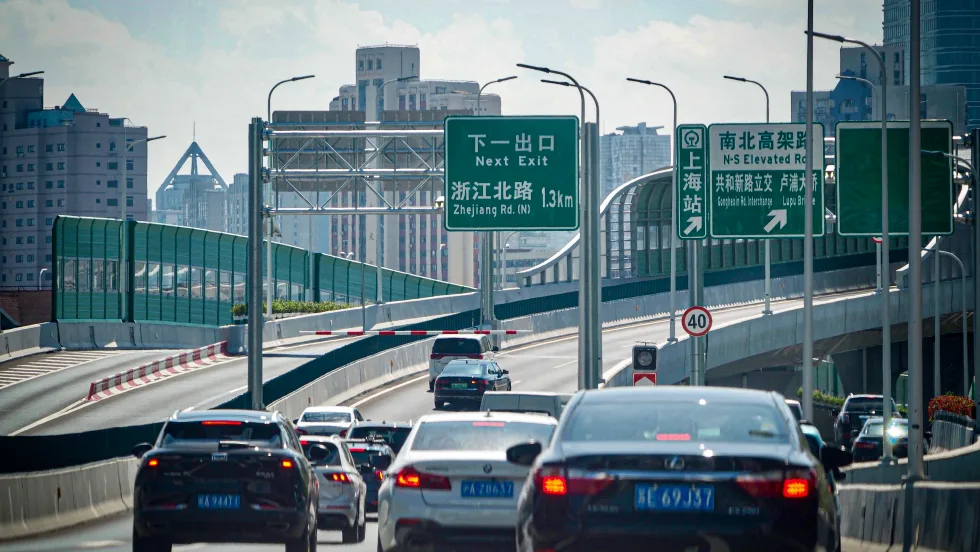
China as Pacesetter
Automotive leaders huddled on where North America stands in the global picture and how it can strengthen its position against the Asian juggernaut’s surging industry.
Read More →
BMW Concept Car Makes Fuel to Burn
The prototype developed in concert with a South Carolina university engineering team generates more solar energy than it uses in a typical daily commute.
Read More →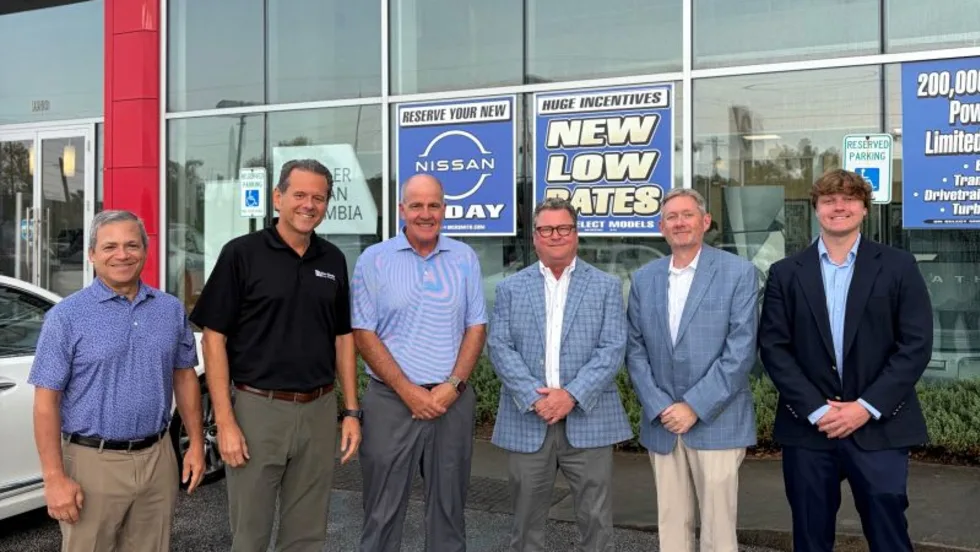
South Carolina Auto Group Downsizes
Florida-based group Holler-Classic has acquired four rooftops, its first in South Carolina, from Dick Smith Automotive Group.
Read More →