



Long Pause For Japanese Industry Raises Concerns About Supply Chain

TOKYO - Japan’s vaunted “just in time” approach to business has become “wait and see.”
Much of Japan’s industry seemed to remain in a state of suspension Wednesday, as the devastation from an earthquake and tsunami, combined with fear and uncertainty over the nuclear calamity, made it difficult for corporate Japan to think about business as usual, reported The New York Times.
And that has left many overseas customers and trading partners in something of an information vacuum, unsure how soon the effects of any supply-chain disruptions would make themselves felt — and how long they might last.
Even General Motors, a company that might seem to benefit from disruptions to Japan’s auto industry, finds itself in a period of watchful waiting. For one thing, the new Chevrolet Volt plug-in-hybrid from G.M. — whose sales could conceivably benefit from any production snags in Toyota’s popular made-in-Japan Prius — depends on a transmission from Japan.
Mark L. Reuss, G.M.’s president for North American operations, said Wednesday that he did not yet know whether his company could count on an uninterrupted flow of that Volt component from Japan.
“We just don’t know from a supply standpoint; there’s so many great things that come out of Japan for the whole industry,” he said, speaking to reporters after a speech at the University of Detroit Mercy.
Here in Tokyo, Japan’s business capital, many companies — whether Japanese or foreign — were distracted Wednesday by plans for removing their employees from the potential path of radiation from the damaged Fukushima Daiichi nuclear power plant 140 miles north. Telephone calls and e-mails to many corporate headquarters in Tokyo simply went unanswered.
Air Liquide, a French company that is the world’s biggest producer of industrial gases, has closed its head office in Tokyo and moved its operations 250 miles south to Osaka.
The German auto giant BMW, which has 800 employees in Tokyo, is sending its few dozen German employees home and offering local workers safer locations within Japan.
Even the America unit of the Japanese auto company Nissan has ordered any employees traveling in Japan on business to return home.
Within Japan, Nissan has suspended many of its manufacturing operations at least through the weekend because “it is still taking time to arrange delivery of parts from our suppliers,” the company said in a statement. Nissan’s engine plant in Iwaki, near the coast in the earthquake-stricken region, remained out of action, the company said.
Meanwhile, many American electronics companies remain uncertain — or decline to say — whether supplies of crucial components from Japan will hit air pockets. But Dallas-based Texas Instruments acknowledged that one of its Japanese factories would be at least partially out of action until July and would not resume shipping at full capacity until September.
More Industry

RV Group Expands Carolina Footprint
Blue Compass RV Columbia Northeast is the 13th RV dealership owned by Blue Compass in the Carolinas.
Read More →
Agent Acumen
An Agent Summit panel of people who’ve been supporting auto dealers for years gave both timely and timeless advice for those starting out or mulling the prospect.
Read More →
Missed Maintenance Creates Opportunity
As families get back on the road and into daily school routines, service drives have an opportunity to capture customers who are behind on recommended vehicle maintenance.
Read More →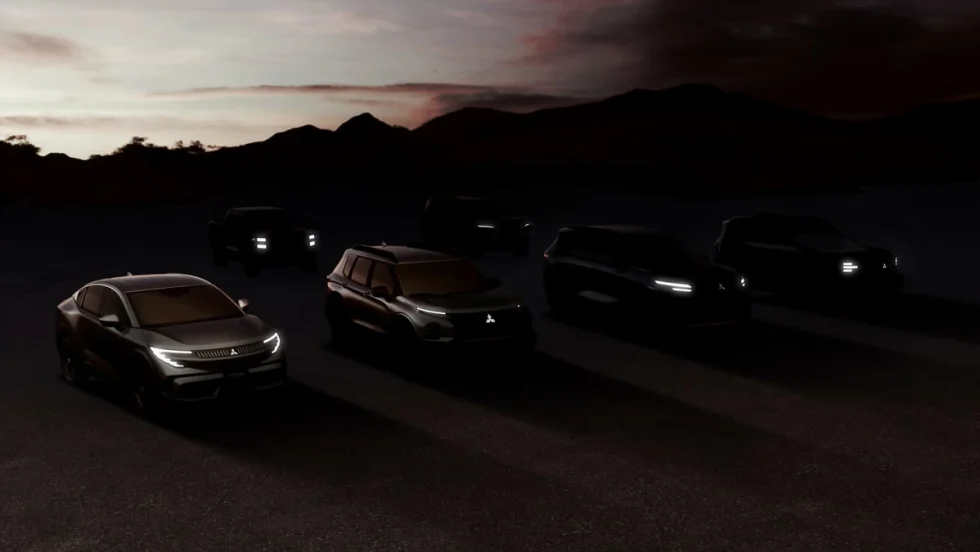
Mitsubishi Unveils U.S. Plan
The automaker announced a strategy that includes an expanded lineup and dealership presence, along with more ‘rugged’ and electric models.
Read More →
Selling to Grow
The question of whether you should sell your agency and if so, when, is up to you. But it’s a question worth asking to ensure you keep the business on the right path for yourself, employees and clients.
Read More →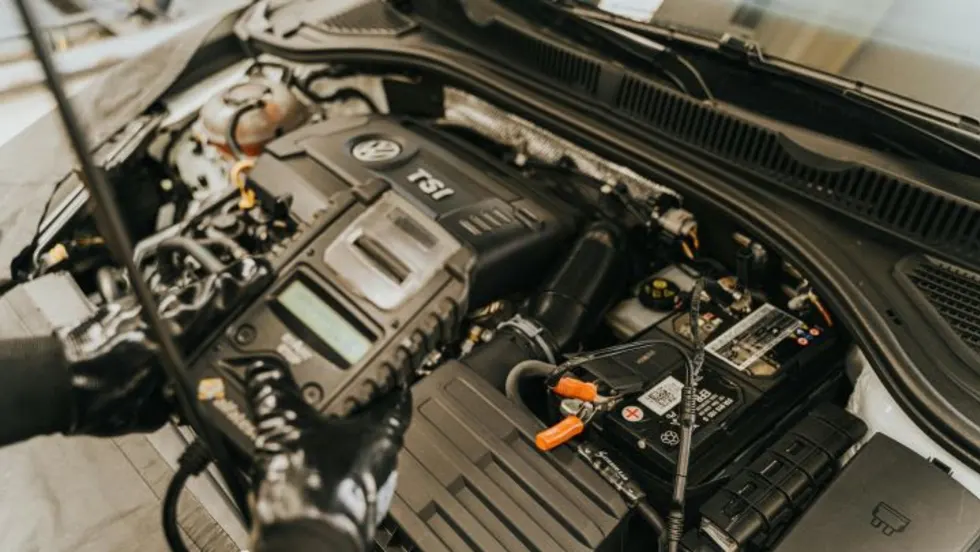
Recalled Vehicles Hit 5-Year High
Though the number of events has fallen so far this year, impacted units are up significantly. Meanwhile, regulators consider consumer notification changes.
Read More →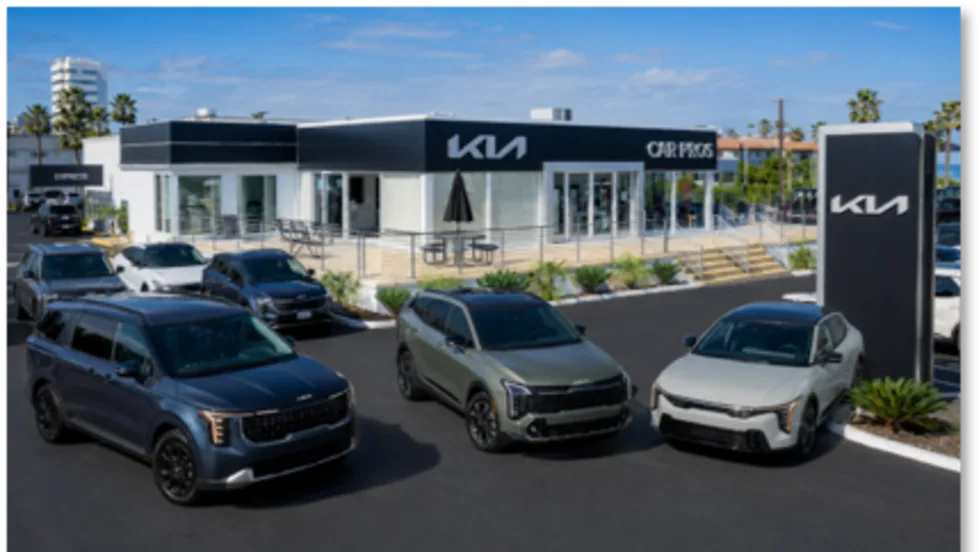
Auto Group Acquires Top-Performing Rooftop
Car Pros sold its Kia Huntington Beach location to Sutherlin Automotive Group, marking the buyer’s third location in Southern California.
Read More →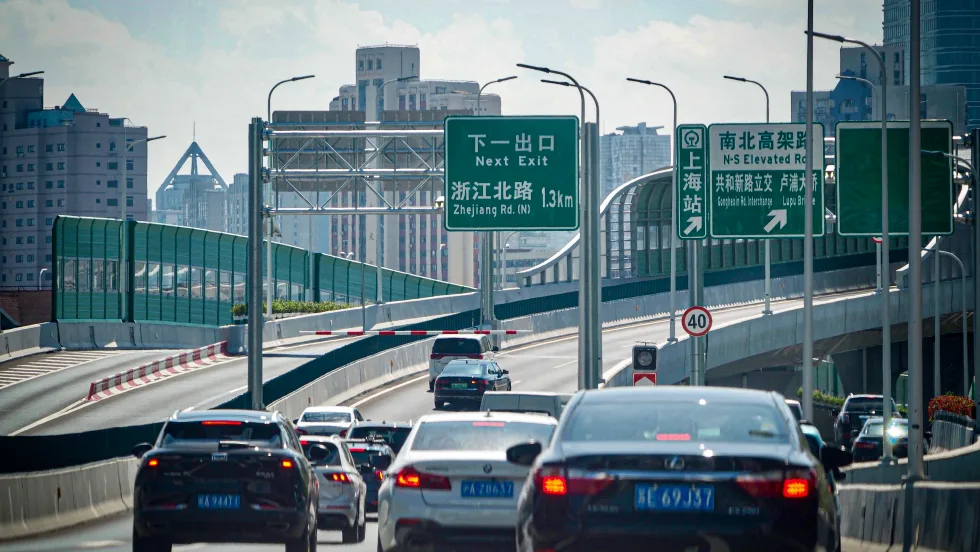
China as Pacesetter
Automotive leaders huddled on where North America stands in the global picture and how it can strengthen its position against the Asian juggernaut’s surging industry.
Read More →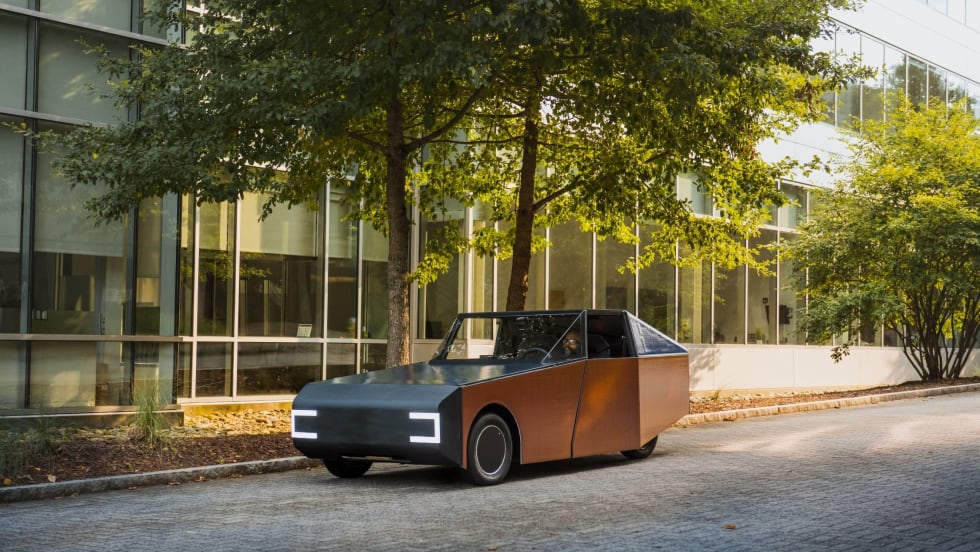
BMW Concept Car Makes Fuel to Burn
The prototype developed in concert with a South Carolina university engineering team generates more solar energy than it uses in a typical daily commute.
Read More →
South Carolina Auto Group Downsizes
Florida-based group Holler-Classic has acquired four rooftops, its first in South Carolina, from Dick Smith Automotive Group.
Read More →