



Leasing Normalizes, Partly Due to EV Transactions
Volume reached near prepandemic levels in the second quarter.


Federal tax credits are available for EV leases, a factor in that slice of the growing lease pie.
Pexels/Atilla Darvas
Auto leasing is making a comeback after falling sharply during the Covid era, according to a new report, thereby providing more used vehicles down the line to help meet growing demand by cost-crunched consumers.
The TransUnion research shows that in the 12 months ended in the first quarter leasing volume rose from 539,000 units to 714,000. That’s closing in on the 781,000 leased in the first quarter of 2020, at the end of which the pandemic took hold in the West.
The return of normal leasing volume is being driven in part by electric-vehicle leases, the study found. EVs made up about 17% of leases in the second quarter, up from 11% two years earlier, TransUnion said. In fact, more auto consumers are leasing EVs than are financing them. It said almost half of second-quarter EV originations were leases, over twice the level three years earlier, while financed EV transactions were down to a third.
“Multiple factors have contributed to this, but two of the most significant include an increase in lower-priced models being introduced, as well as more new dealer leasing incentives on EVs,” said TransUnion auto and mortgage business leader Satyan Merchant.
Federal tax credits are available for EV leases, TransUnion pointed out. In fact, leases have been exempt from restrictions on eligible vehicle models related to where their battery materials are sourced. The Inflation Reduction Act that authorized the credits treats leased vehicles as commercial and therefore exempts them from such restrictions.
The report pointed out that there’s room to grow leasing further. It said just 30% of lessees are leasing for the first time, down slightly from 33% in 2019.
“… many consumers who may be looking for a pre-owned vehicle later in 2024 and into 2025 may find fewer lease returns resulting in a smaller inventory,” Merchant said. “That’s a group that dealers should consider trying to turn into first-time lessees and should aggressively market towards.”
Originally posted on Auto Dealer Today
More Industry

Penske Auto Group Deal a Record
The deal to take the dealership and transportation services company private sets a new pace for industry buy-sell transactions.
Read More →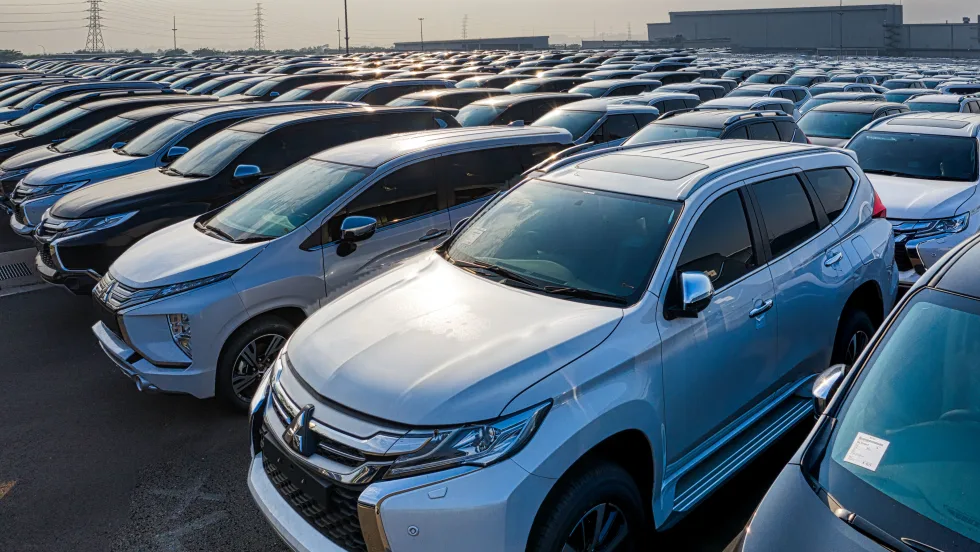
War Toll a Damper on Used Auto Prices
Cox Automotive found wholesale depreciation to be elevated in September amid high fuel prices and this year's unusual hurricane season.
Read More →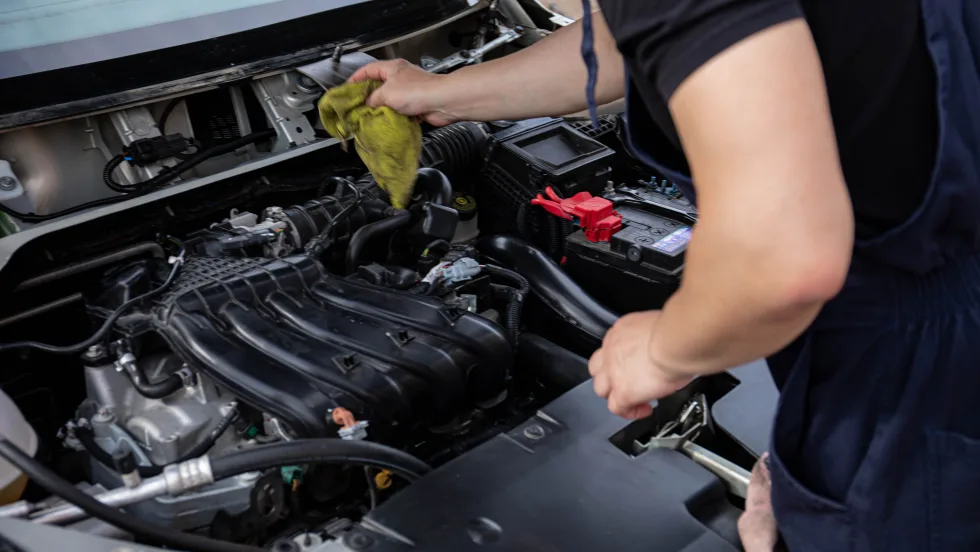
Bridge the Maintenance Gap
With many drivers missing recommended maintenance, service departments offering transparency and efficiency have a better chance of reaching financially strained consumers.
Read More →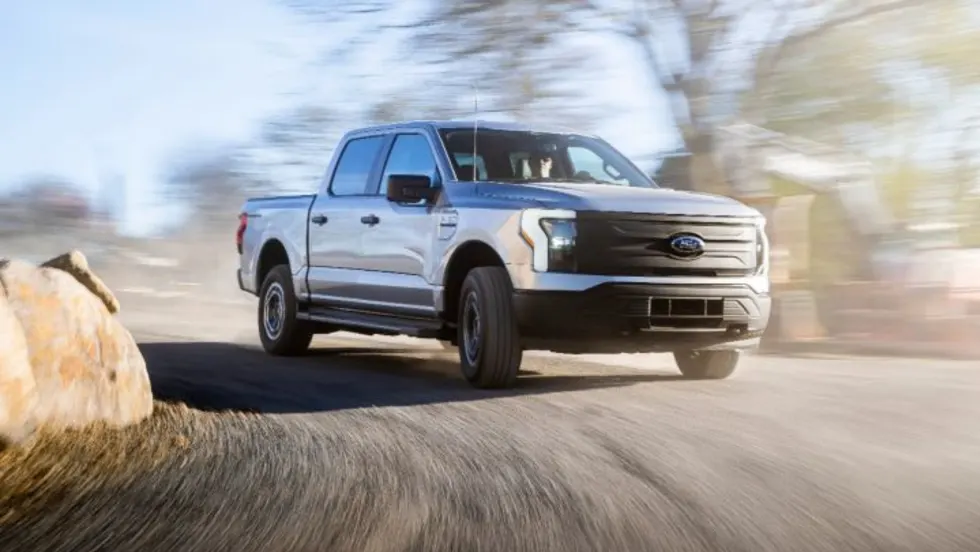
California Store Has New Owner
The longtime dealership in the northern part of the state is known for robust fleet sales and has served the state capital for 115 years.
Read More →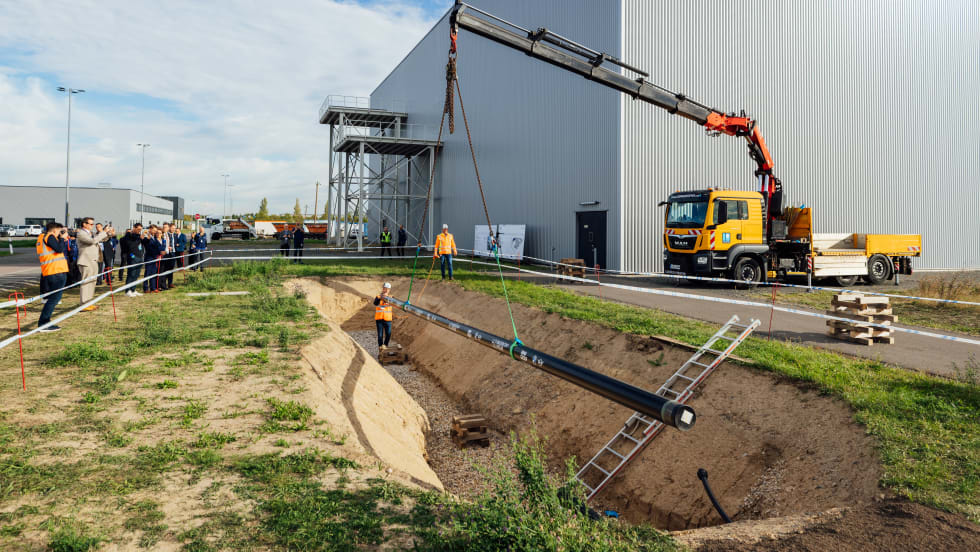
BMW Plant Pursues Cleaner Energy
BMW Group Plant Leipzig has utilized hydrogen to help power its production since 2013, but a new pipeline is planned to take it to another level.
Read More →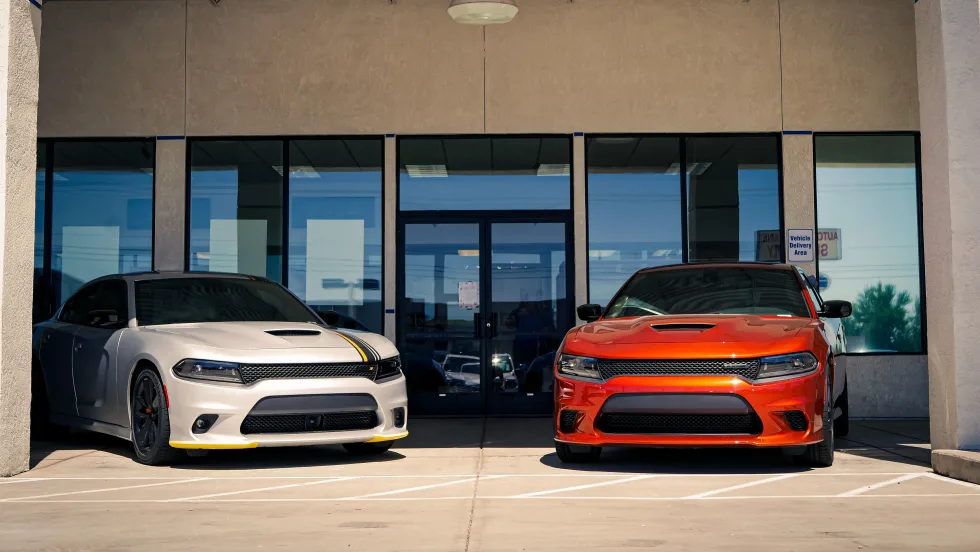
Auto Affordability Inches Up
The latest Cox Automotive and Moody’s Analytics index shows a slight increase in new-vehicle affordability despite high prices.
Read More →
Ohio Auto Group Under New Ownership
After 79 years with the Schluter family, Mansfield Auto Group has been acquired by Missouri-based Clement Auto Group.
Read More →
RV Group Expands Carolina Footprint
Blue Compass RV Columbia Northeast is the 13th RV dealership owned by Blue Compass in the Carolinas.
Read More →
Agent Acumen
An Agent Summit panel of people who’ve been supporting auto dealers for years gave both timely and timeless advice for those starting out or mulling the prospect.
Read More →
Missed Maintenance Creates Opportunity
As families get back on the road and into daily school routines, service drives have an opportunity to capture customers who are behind on recommended vehicle maintenance.
Read More →