



Kia Recalls 56K Souls, Sorentos in U.S., S. Korea

DETROIT/SEOUL — Kia Motors said on Friday it had started a recall of some 56,000 Soul and Sorento vehicles sold in the United States and
South Korea due to defective wiring harnesses that could cause fires, Reuters reported.
Some harnesses supplied by Johnson Controls for lighting in 2010 model-year Soul cars and 2011 model-year Sorento SUVs were
improperly soldered, leading to possible electrical shorts, Kia said in a letter to U.S. safety regulators on August 30.
There were no reports of accidents or injuries due to the issue, which was identified in June, said Kia, an affiliate of South Korea's Hyundai Motor Co. Kia determined that a recall was needed on August 23.
Through August, Kia Soul sales had more than doubled in the United States to nearly 44,000 from the first eight months of 2009. The Soul has been marketed to the same younger drivers targeted by Toyota Motor Corp's Scion brand.
Kia will replace the wiring harnesses, it said.
The U.S. recall covers 23,972 Soul cars produced from September 7, 2009, through June 8, 2010, and 11,213 Sorento vehicles built from October 23, 2009, through July 30, 2010, according to the notice filed with the U.S. National Highway Traffic Safety Administration.
In August, NHTSA launched a probe into possible steering defects in the 2010 model-year Soul after a driver said a steering shaft detached from the steering wheel in a two-month-old vehicle and fell onto the driver's side floor, causing a complete steering loss and limited braking.
NHTSA also has opened a preliminary probe into possible steering problems in the 2011 model-year Hyundai Sonata sedan, a key introduction for the automaker and its best-selling vehicle in the United States.
More Industry
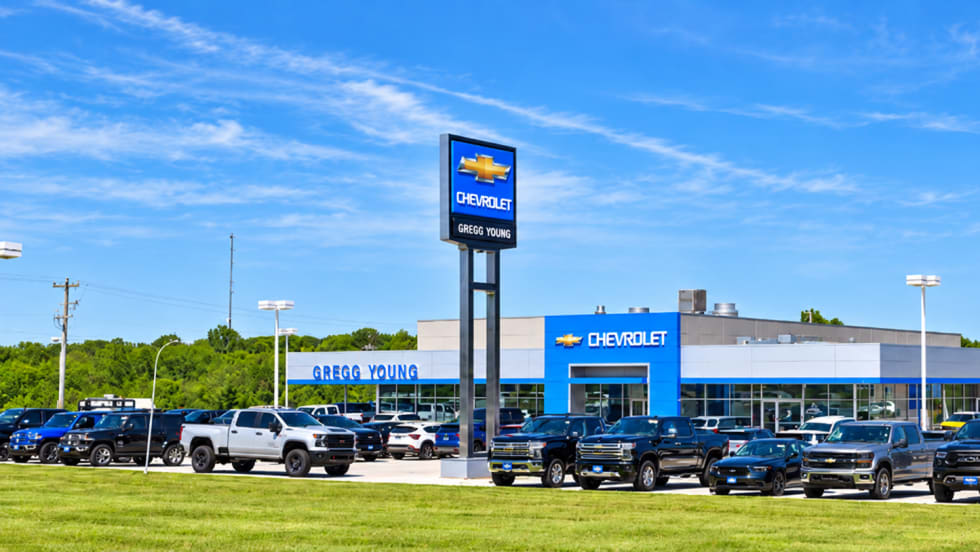
Nebraska Rooftop Changes Hands
The Gregg Young Automotive Group has sold its second dealership to Janssen Auto Group, both in Plattsmouth, Neb.
Read More →
Penske Auto Group Deal a Record
The deal to take the dealership and transportation services company private sets a new pace for industry buy-sell transactions.
Read More →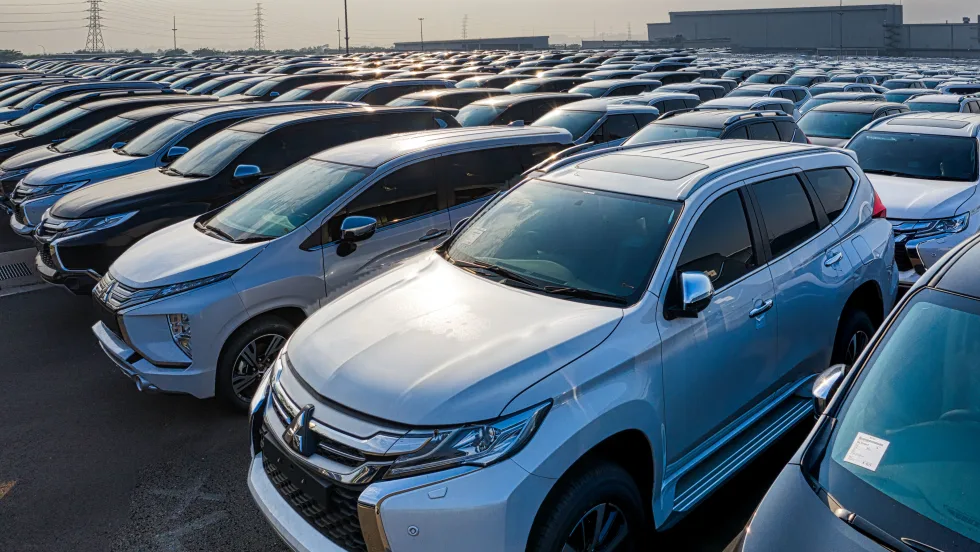
War Toll a Damper on Used Auto Prices
Cox Automotive found wholesale depreciation to be elevated in September amid high fuel prices and this year's unusual hurricane season.
Read More →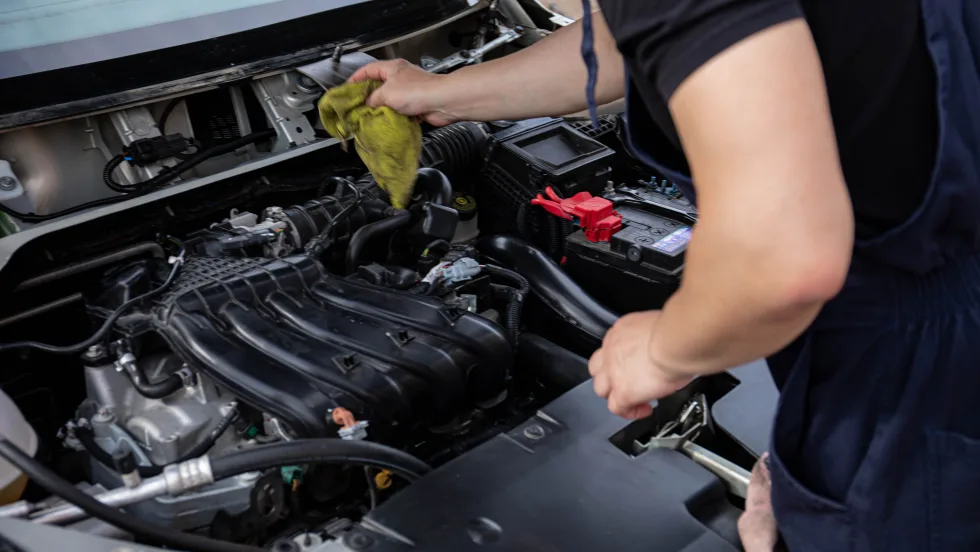
Bridge the Maintenance Gap
With many drivers missing recommended maintenance, service departments offering transparency and efficiency have a better chance of reaching financially strained consumers.
Read More →
California Store Has New Owner
The longtime dealership in the northern part of the state is known for robust fleet sales and has served the state capital for 115 years.
Read More →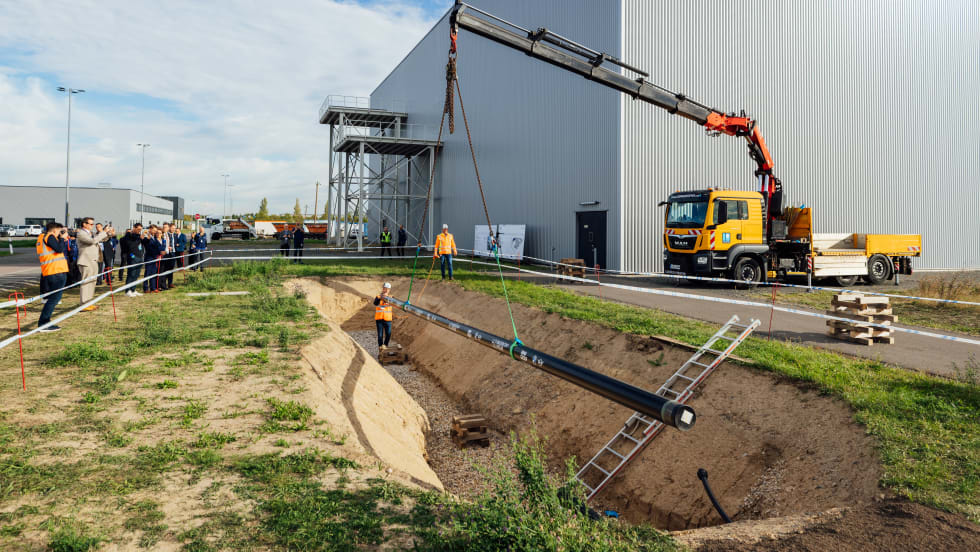
BMW Plant Pursues Cleaner Energy
BMW Group Plant Leipzig has utilized hydrogen to help power its production since 2013, but a new pipeline is planned to take it to another level.
Read More →
Auto Affordability Inches Up
The latest Cox Automotive and Moody’s Analytics index shows a slight increase in new-vehicle affordability despite high prices.
Read More →
Ohio Auto Group Under New Ownership
After 79 years with the Schluter family, Mansfield Auto Group has been acquired by Missouri-based Clement Auto Group.
Read More →
RV Group Expands Carolina Footprint
Blue Compass RV Columbia Northeast is the 13th RV dealership owned by Blue Compass in the Carolinas.
Read More →
Agent Acumen
An Agent Summit panel of people who’ve been supporting auto dealers for years gave both timely and timeless advice for those starting out or mulling the prospect.
Read More →