



Japanese Automakers Back on Track, Edmunds.com Reports

SANTA MONICA - Edmunds.com reported that Japanese car manufacturers are finally back on track in the United States one year after the March 11, 2011, earthquakes that struck Japan.
The website reported that the market share for Japan’s top automakers - most notably Toyota and Honda - are back to pre-earthquake levels following a year of supply shortages and increased prices for some of the most popular vehicles.
“The March 11 earthquake and tsunamis revealed the vulnerabilities of Japan and its once-invincible automotive industry,” said Michelle Krebs, senior analyst at Edmunds.com. “But as humbling as the business fallout was in the weeks and months after the disaster, a lot of credit is due to top company executives who resourcefully restored business operations to ‘normal’ levels in less than a year.”
Japanese automakers did not feel the full business impact of the earthquake until the summer of 2011, according to Edmunds.com. During this time, market share and retention rates bottomed out at 12-month lows to the benefit of U.S., European and South Korean carmakers.
Japanese market share in the U.S. fell from 38.5 percent last February to 30.1 percent in June. The rate of customers trading in Japanese vehicles for other Japanese vehicles followed a similar trend.
As much as Japan struggled to maintain market share last summer, it also fought to reign in pricing, which rose quickly as a result of dwindling supply. From February to June, the average transaction price of a Japanese vehicle climbed $813, or 3.1 percent, to $27,239, Edmunds.com reported.
South Korean brands Hyundai and Kia prices also climbed more than three percent in this period, but their increases were due to brand momentum, as demonstrated by their significant market share growth. In the same period, average European brand prices climbed just 0.3 percent, while average American brand prices fell 0.9 percent.
By the end of last month, Japanese brands had almost fully rebounded to pre-earthquake levels, according to Edmunds.com. Japanese market share and trade-in loyalty are each less than one percentage point shy from where they stood last February. And the average transaction price for Japanese vehicles is back under $27,000 for the first time since the middle of last year.
“We quickly learned how strong and resilient the Japanese people and Japanese companies really are,” Krebs said. “Their automotive brands could have been down even longer, if not for the perseverance and hard work to get their plants up and running again.”
Market Share and Trade-in Loyalty by Brand Origin
Market Share | Purchase After Japanese Trade-Ins | |||||||||||
Origin | 11-Feb | 11-Jun | 12-Feb | 11-Feb | 11-Jun | 12-Feb | ||||||
Japan | 38.5% | 30.1% | 37.8% | 74.5% | 69.8% | 73.9% | ||||||
USA | 46.2% | 50.3% | 45.4% | 15.9% | 17.2% | 14.5% | ||||||
Europe | 6.8% | 8.6% | 7.6% | 4.5% | 6.0% | 4.8% | ||||||
S.Korea | 7.7% | 9.9% | 8.4% | 5.1% | 7.0% | 6.8% | ||||||
More Industry
Nebraska Rooftop Changes Hands
The Gregg Young Automotive Group has sold its second dealership to Janssen Auto Group, both in Plattsmouth, Neb.
Read More →
Penske Auto Group Deal a Record
The deal to take the dealership and transportation services company private sets a new pace for industry buy-sell transactions.
Read More →
War Toll a Damper on Used Auto Prices
Cox Automotive found wholesale depreciation to be elevated in September amid high fuel prices and this year's unusual hurricane season.
Read More →
Bridge the Maintenance Gap
With many drivers missing recommended maintenance, service departments offering transparency and efficiency have a better chance of reaching financially strained consumers.
Read More →
California Store Has New Owner
The longtime dealership in the northern part of the state is known for robust fleet sales and has served the state capital for 115 years.
Read More →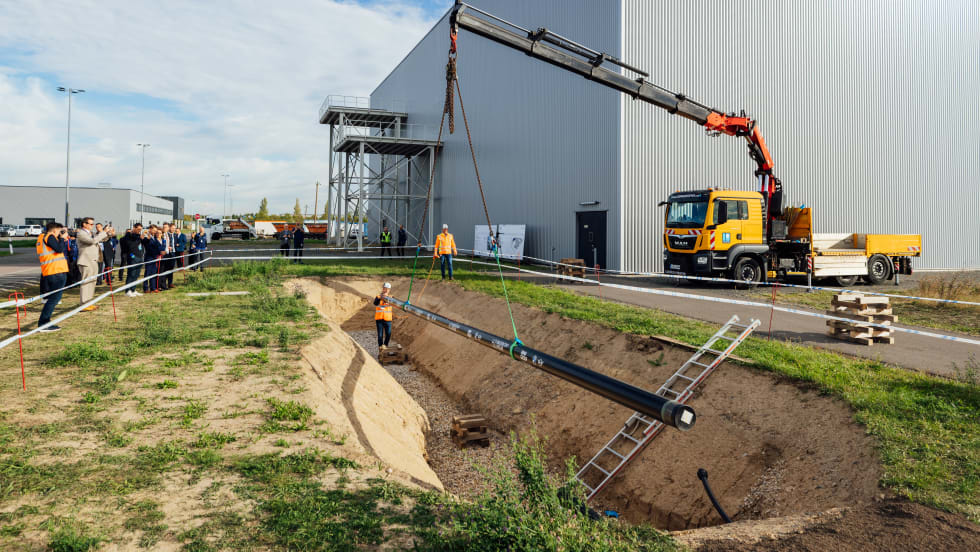
BMW Plant Pursues Cleaner Energy
BMW Group Plant Leipzig has utilized hydrogen to help power its production since 2013, but a new pipeline is planned to take it to another level.
Read More →
Auto Affordability Inches Up
The latest Cox Automotive and Moody’s Analytics index shows a slight increase in new-vehicle affordability despite high prices.
Read More →
Ohio Auto Group Under New Ownership
After 79 years with the Schluter family, Mansfield Auto Group has been acquired by Missouri-based Clement Auto Group.
Read More →
RV Group Expands Carolina Footprint
Blue Compass RV Columbia Northeast is the 13th RV dealership owned by Blue Compass in the Carolinas.
Read More →
Agent Acumen
An Agent Summit panel of people who’ve been supporting auto dealers for years gave both timely and timeless advice for those starting out or mulling the prospect.
Read More →