



January Auto Sales Chilled
The month is set to be off last year, J.D. Power predicts, though its full-year outlook is less gloomy, and dealer profits are up despite the odds.


Retailer profit per unit is forecast at $2,148 this month, down about 3% year-over-year, though up 11% from December’s holiday rush period.
Pexels/Vraj Shah
2026 is off to a slow start when it comes to U.S. new-vehicle sales.
A J.D. Power forecast puts January retail deliveries down about 4% year-over-year to 908,000 units for a seasonally adjusted annualized rate of 12.7 million, also down some 4%.
However, January, typically being the slowest auto sales month of the year, doesn’t tend to set the tone for the full 12 months, the data provider pointed out. Still, the industry faces challenges in 2026.
“As with every January, winter storms have the potential to create some disruption to sales patterns, but the key factors in assessing January’s performance are the co-mingling of lower [electric vehicle] sales, higher incentives on internal combustion engine … vehicles and ongoing profit pressure from tariffs,” said President of OEM Solutions Thomas King.
Not an insignificant factor in the sales slowdown are lingering high vehicle prices. J.D. Power expects the average transaction price this month to be up 1% year-over-year to $45,880.
ICE vehicles alone are up by about the same rate to $45,510, while the average transaction price for EVs jumped 18% to $51,981 after the disappearance of manufacturer incentives and the federal tax credit.
Elevated prices helped make up for slowed sales, consumer spending on new vehicles projected to be up nearly 1½ percentage points year-over-year to nearly $40 billion, J.D. Power said.
Retailer profit per unit is forecast at $2,148, down about 3% year-over-year, though up 11% from December’s holiday rush period. Total retailer profits for the industry are on track to fall about 3% year-over-year this month to $1.9 billion.
J.D. Power called the full 2026 outlook “relatively positive” despite the early speed bumps.
“Rising lease-return volumes, plus the expectation of lower interest rates present meaningful tailwinds to the industry. More importantly, as OEMs and dealers navigate the evolving economics of EVs, there is likely to be an opportunity to improve affordability of ICE vehicles as production schedules shift towards a more profitable mix of vehicles for both OEMs and dealers.
“Similarly, supply chain changes present the opportunity to partially mitigate tariffs, although tariff-related profit pressure for OEMs will persist throughout the year.”
LEARN MORE: Used Market Getting Love
Originally posted on Auto Dealer Today
More Industry

Penske Auto Group Deal a Record
The deal to take the dealership and transportation services company private sets a new pace for industry buy-sell transactions.
Read More →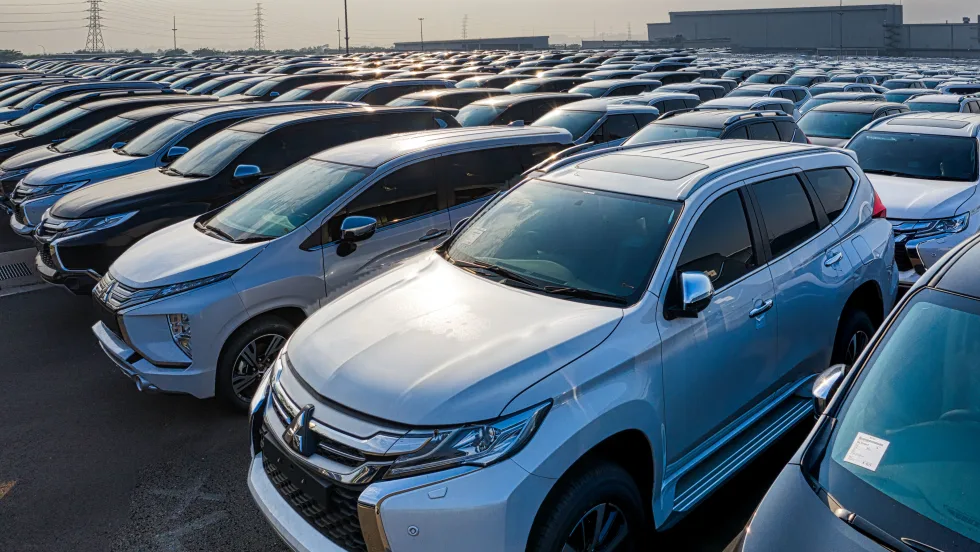
War Toll a Damper on Used Auto Prices
Cox Automotive found wholesale depreciation to be elevated in September amid high fuel prices and this year's unusual hurricane season.
Read More →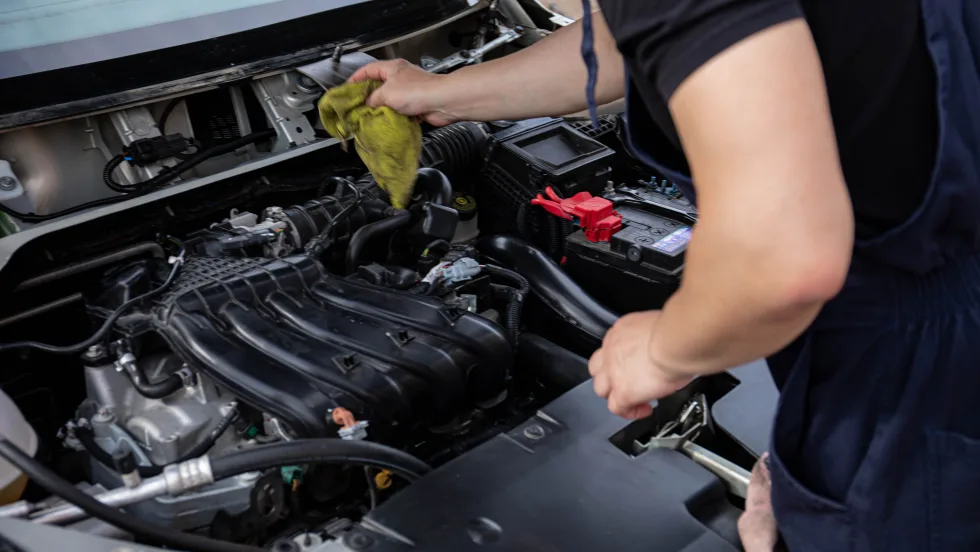
Bridge the Maintenance Gap
With many drivers missing recommended maintenance, service departments offering transparency and efficiency have a better chance of reaching financially strained consumers.
Read More →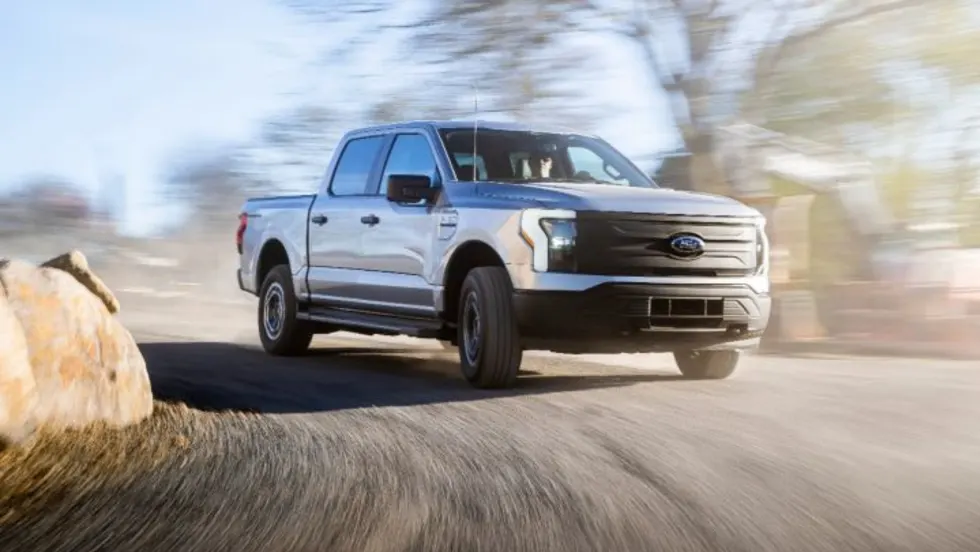
California Store Has New Owner
The longtime dealership in the northern part of the state is known for robust fleet sales and has served the state capital for 115 years.
Read More →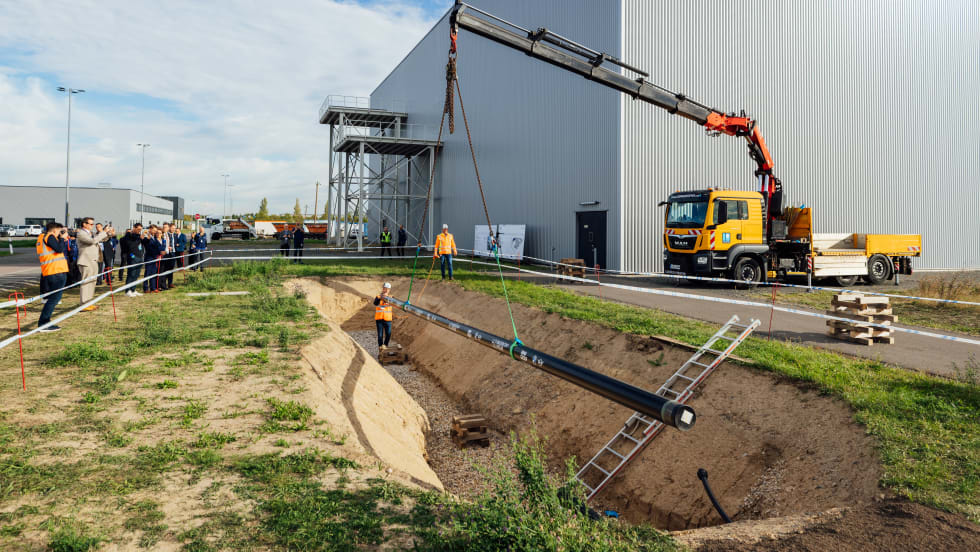
BMW Plant Pursues Cleaner Energy
BMW Group Plant Leipzig has utilized hydrogen to help power its production since 2013, but a new pipeline is planned to take it to another level.
Read More →
Auto Affordability Inches Up
The latest Cox Automotive and Moody’s Analytics index shows a slight increase in new-vehicle affordability despite high prices.
Read More →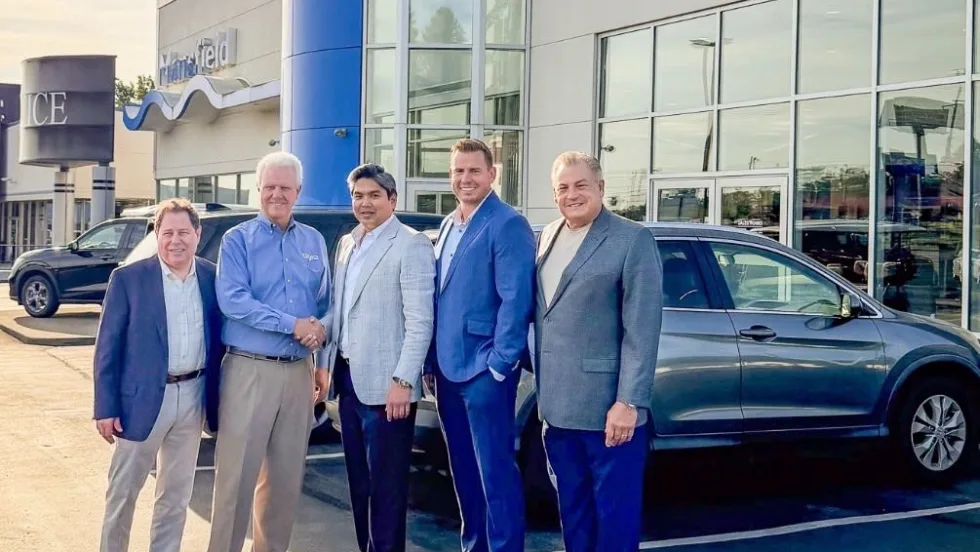
Ohio Auto Group Under New Ownership
After 79 years with the Schluter family, Mansfield Auto Group has been acquired by Missouri-based Clement Auto Group.
Read More →
RV Group Expands Carolina Footprint
Blue Compass RV Columbia Northeast is the 13th RV dealership owned by Blue Compass in the Carolinas.
Read More →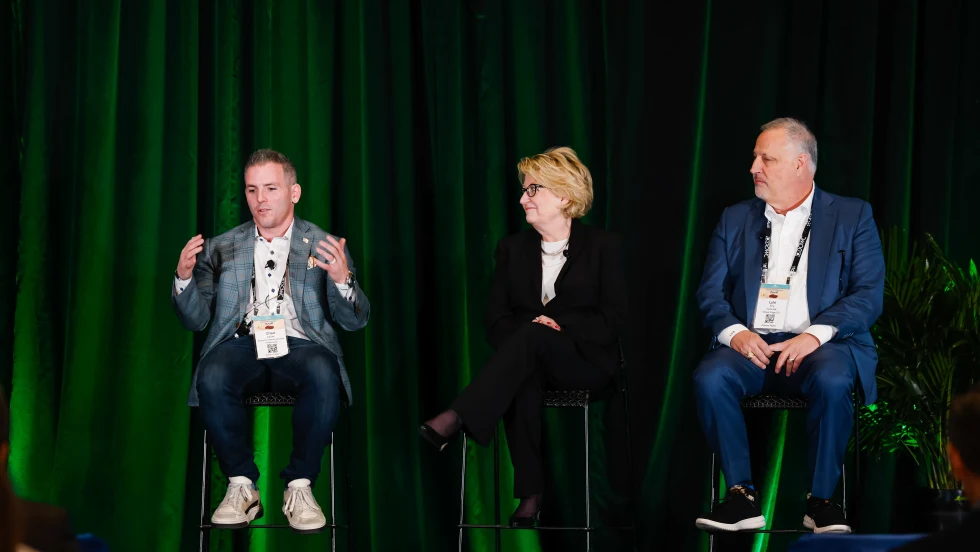
Agent Acumen
An Agent Summit panel of people who’ve been supporting auto dealers for years gave both timely and timeless advice for those starting out or mulling the prospect.
Read More →
Missed Maintenance Creates Opportunity
As families get back on the road and into daily school routines, service drives have an opportunity to capture customers who are behind on recommended vehicle maintenance.
Read More →