



Hyundai Bumps Honda at Top of Greenest Automaker Rankings

Via Bloomberg:
Hyundai Motor Co.’s quick embrace of downsized engines, electric hybrids and other anti-pollution technology helped the company unseat Honda Motor Co. as the most environmental automaker, a scientific research group said.
Toyota Motor Corp., Nissan Motor Co. and Volkswagen AG rounded out the top 5 in the rankings released today by the Union of Concerned Scientists, a nonprofit that works on climate change and nuclear-weapon control. Ford Motor Co., General Motors Co. and Chrysler Group LLC were at the bottom.
Companies that sell cars in the U.S. are racing to meet stricter greenhouse-gas limits that begin to step up in 2017 and will require automakers to double the average fuel-efficiency of their fleets to 54.5 miles per gallon by 2025. That has led to production of dozens of new hybrids, plug-in cars, electric vehicles and models powered by fuel-saving gasoline engines.
“While automakers have widely used a few key technologies to reduce the global warming impact of their fleets, other technologies on the horizon are also important,” the Cambridge, Massachusetts-based group of scientists said. It cited smaller turbocharged engines and hydrogen fuel cells.
Overall, all eight of the companies that sell most cars in the U.S. have reduced their global-warming emissions, the group said -- the first time that’s happened in six reports going back to 2000.
The rankings didn’t take into account automakers with smaller U.S. sales, such as Elon Musk’s upstart Tesla Motors Inc.
Chevrolet Volt
Tokyo-based Honda had won the title in each of the group’s previous five assessments, which has been dominated by the three major Japanese automakers. Ford, GM and Chrysler were the only companies this year to score below the industry average.
Ford has made the most efficiency gains among the three-largest U.S.-based automakers, partly by expanding the number of hybrids it sells. Efforts by the Dearborn, Michigan-based company to boost the efficiency of “its smallest vehicles -- the Fiesta and Focus -- and its best-selling and largest vehicles, the F-series pickups, has helped bring its fleet performance to within a few percent of the national average.”
General Motors, which sells the plug-in electric hybrid Chevrolet Volt, hasn’t kept pace with the industry even though it has improved efficiency in its small cars, the group said. The Detroit-based automaker needs to improve its light-duty truck fleet to gain on competitors, the scientists said.
Hyundai, which also makes the Kia brand, was praised by the group for “a concerted effort” to improve fuel efficiency by turbocharging and downsizing engines, as well as for gasoline-electric versions of the Hyundai Sonata and Kia Optima.
“As Hyundai-Kia works to further improve fuel economy and electrify its fleet, Honda will need to step up its innovation if it wants to take back the crown,” the scientists wrote.
More Industry
Autos More Appealing
Consumers gave new cars better scores again this year for design, performance and more as mass-market brands kept gaining on premium lineups, JD Power found in an annual poll.
Read More →
Used EVs Defy Overall Market
While the used-car market saw three months of price declines or stagnation, the used EV segment did the opposite – rising for three straight months.
Read More →
Gone to the Dogs
A Stellantis brand decided to have some fun with one of its SUVs’ design to address growing emphasis on family pets.
Read More →
OEM Poll Sees Industry Evolution
Kerrigan Advisors’ survey of automakers finds that tariffs, technology, network tightening and other factors are poised to reshape auto retail.
Read More →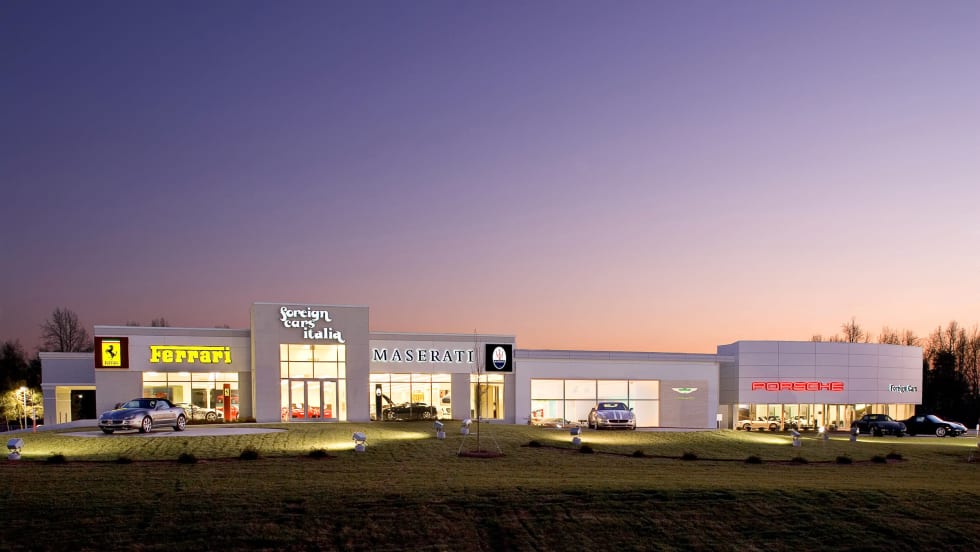
Luxe N.C. Dealerships Change Hands
A collection of Italian and English brand franchises were handed off to the owner’s friend in the business and include the Carolinas’ only Ferrari retail stores.
Read More →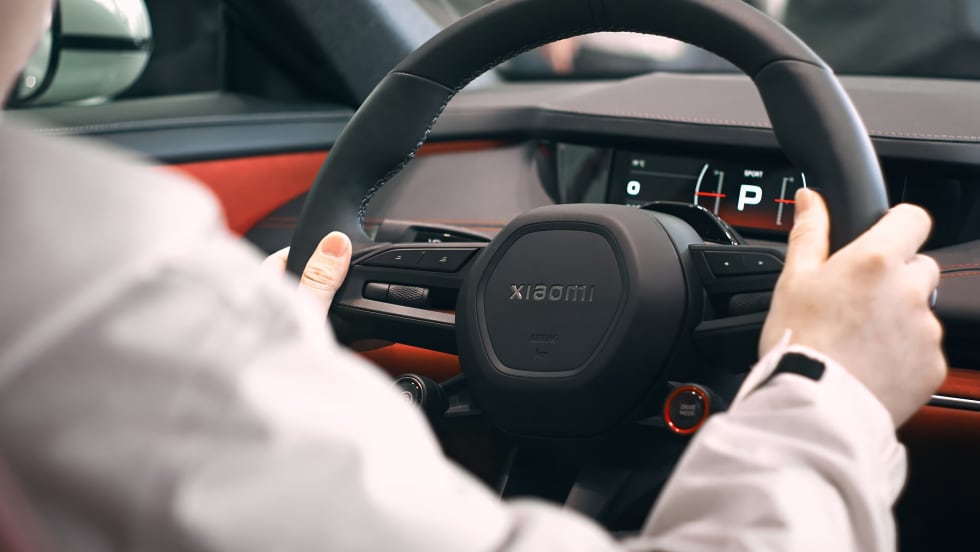
Exposure Drives Interest in Chinese Cars
At a recent demonstration, consumers had the chance to ride in a Chinese-branded vehicle, a firsthand experience that improved their perceptions and purchase intent.
Read More →
Automotive Consumers Sink Further in Debt
Most financing metrics hit records in the second quarter as more buyers locked themselves into long terms and high monthly payments.
Read More →
Agent Advocate
Rob Mancuso, who comes from a long line of auto dealers, values general agents’ place in the industry and makes a case for them taking an even bigger seat at the table.
Read More →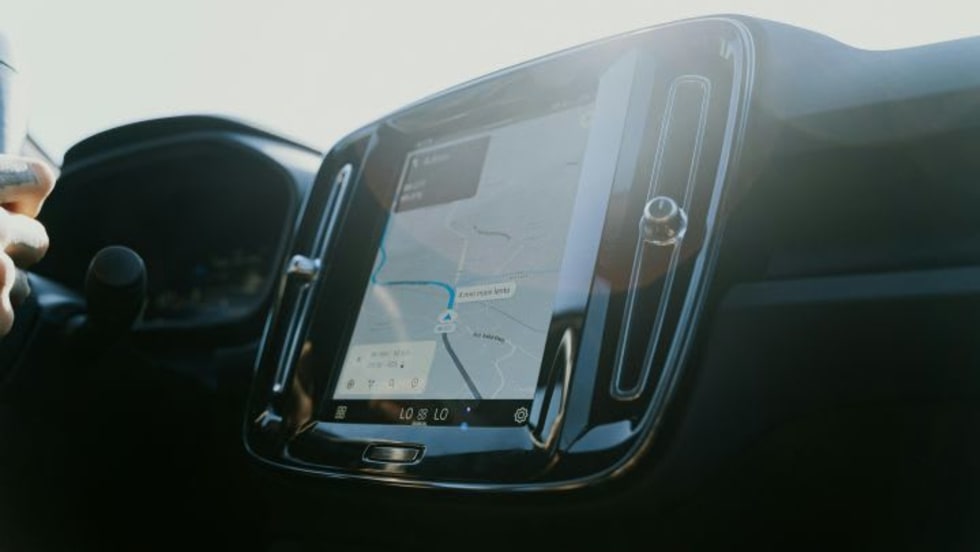
Driving Under Distraction
Though consumers gave higher marks to new vehicles in JD Power’s most recent initial-quality poll, high-tech interference worsened, pointing to craving for simplicity.
Read More →
Affordable New Cars a Thing of the Past
More than one out of five new vehicles sell for more than $60,000, according to Edmunds. That's up 7% compared to prepandemic 2019.
Read More →