



Hyundai Brand Loyalty Replaces Toyota for No. 1 Spot

FOUNTAIN VALLEY, Calif. - Brand loyalty for Hyundai recently surpassed that of Honda and replaced Toyota, allowing Hyundai to take the No. 1 spot among car shoppers, according to the latest Kelley Blue Book's www.kbb.com Market Intelligence data. Up from third place in Q4 2009, Hyundai saw the greatest increase in loyalty in February 2010, with Hyundai owners looking at new models within the brand increasing by 10.4 percentage points to 56.3 percent. Furthermore, according to Kelley Blue Book Values data, throughout the month of February 2010 Hyundai outperformed the overall car segment average by a healthy margin. Hyundai values increased 2 percent month-over-month, relative to a 0.3 percent increase for the entire car segment. "A large part of Hyundai's momentum is a result of introducing passionate new products like the 2011 Sonata and 2010 Tucson," said James Bell, executive market analyst for Kelley Blue Book's kbb.com. "To sustain this momentum, Hyundai should continue to promote its attractive new-vehicle lineup, solid warranty offer and strong price-points to new-car shoppers." In addition to topping brand loyalty, the all-new 2011 Sonata was named to kbb.com's Top 10 Most-Researched New Vehicles list for the first time. In February, the Sonata was the fifth most-researched new car on kbb.com alongside 'Top 10 Most-Researched' mainstays such as Accord, Civic, Camry and CR-V. "2009 marked an unprecedented year for the Hyundai brand and we are well poised to keep the momentum going in 2010," said John Krafcik, president and CEO, Hyundai Motor America. "With impressive new vehicles like the all-new Sonata and our dedication to deliver stylish, fuel efficient and affordable vehicles, more customers are adding Hyundai models to their shopping lists." This Kelley Blue Book Market Intelligence data analysis examined site traffic to used-car trade-in pages and new-car pricing report pages on Kelley Blue Book's kbb.com, and compared loyalty data from Q4 2009 to February 1 – 28, 2010. The Kelley Blue Book Values data within this release represents month-over-month used-vehicle depreciation percentages.
More Industry
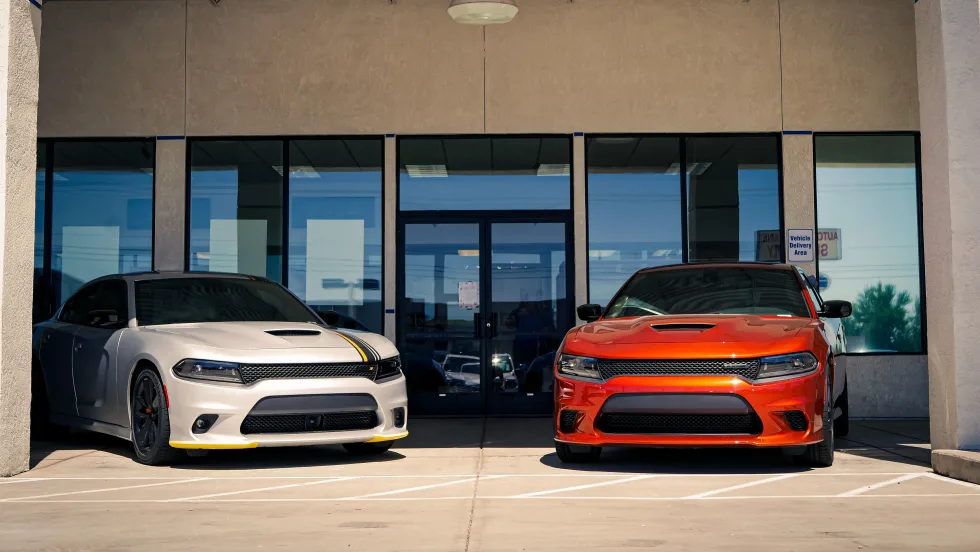
Auto Affordability Inches Up
The latest Cox Automotive and Moody’s Analytics index shows a slight increase in new-vehicle affordability despite high prices.
Read More →
Ohio Auto Group Under New Ownership
After 79 years with the Schluter family, Mansfield Auto Group has been acquired by Missouri-based Clement Auto Group.
Read More →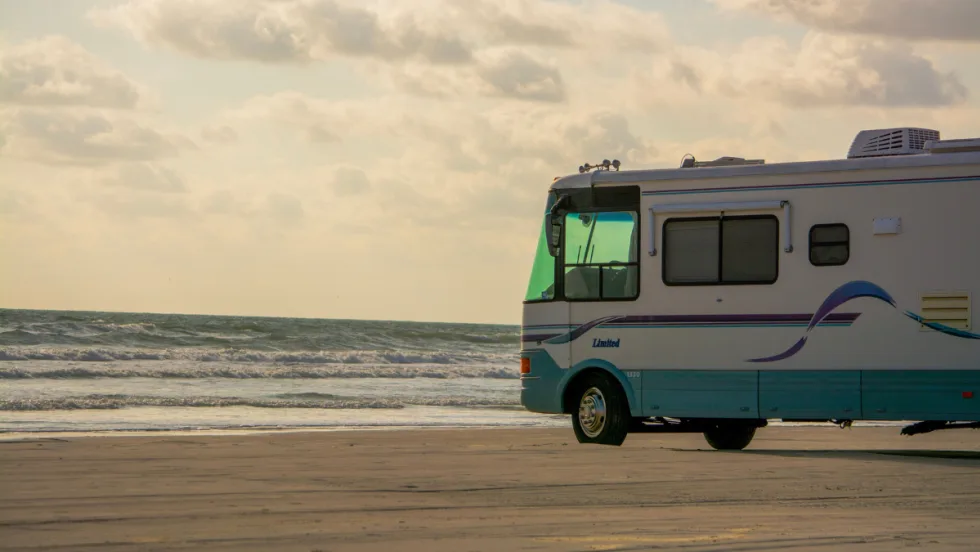
RV Group Expands Carolina Footprint
Blue Compass RV Columbia Northeast is the 13th RV dealership owned by Blue Compass in the Carolinas.
Read More →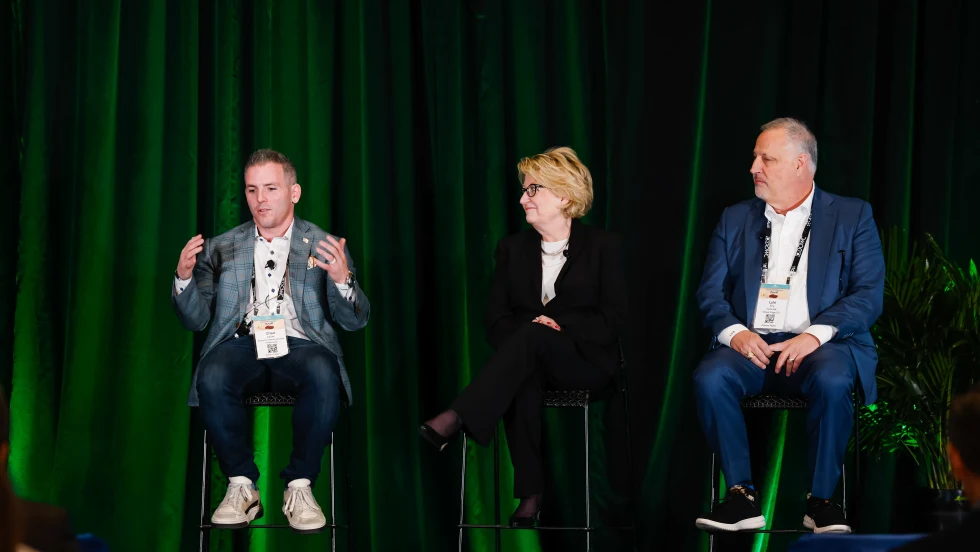
Agent Acumen
An Agent Summit panel of people who’ve been supporting auto dealers for years gave both timely and timeless advice for those starting out or mulling the prospect.
Read More →
Missed Maintenance Creates Opportunity
As families get back on the road and into daily school routines, service drives have an opportunity to capture customers who are behind on recommended vehicle maintenance.
Read More →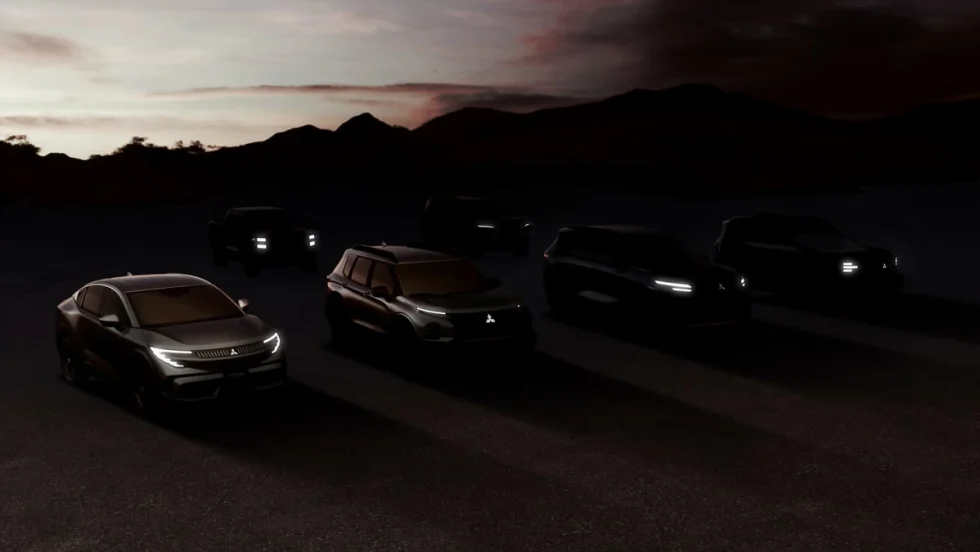
Mitsubishi Unveils U.S. Plan
The automaker announced a strategy that includes an expanded lineup and dealership presence, along with more ‘rugged’ and electric models.
Read More →
Selling to Grow
The question of whether you should sell your agency and if so, when, is up to you. But it’s a question worth asking to ensure you keep the business on the right path for yourself, employees and clients.
Read More →
Recalled Vehicles Hit 5-Year High
Though the number of events has fallen so far this year, impacted units are up significantly. Meanwhile, regulators consider consumer notification changes.
Read More →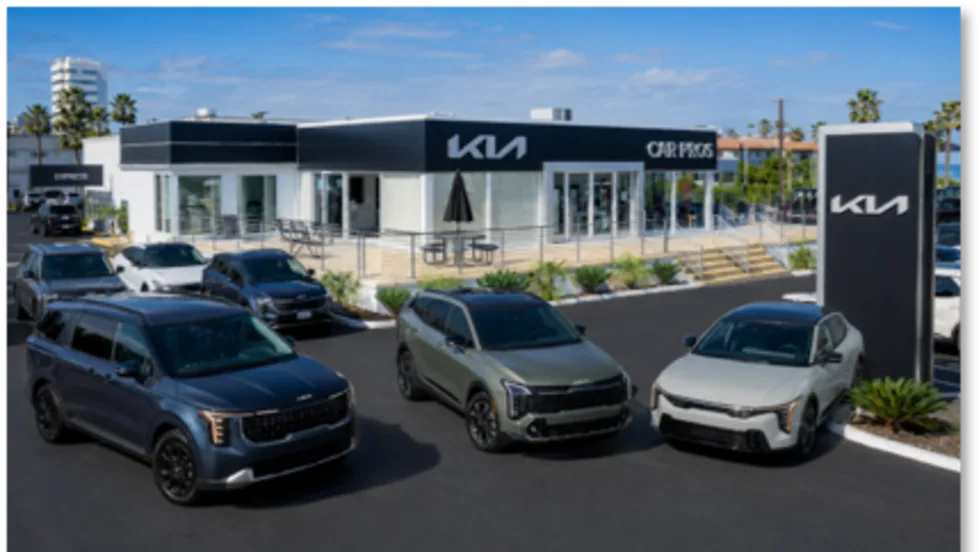
Auto Group Acquires Top-Performing Rooftop
Car Pros sold its Kia Huntington Beach location to Sutherlin Automotive Group, marking the buyer’s third location in Southern California.
Read More →
China as Pacesetter
Automotive leaders huddled on where North America stands in the global picture and how it can strengthen its position against the Asian juggernaut’s surging industry.
Read More →