



How GM IPO Won Over US Funds With Vows of Change

NEW YORK/DETROIT - One of the first signs General Motors Co. was driving toward a record-setting IPO with booming demand from U.S. investors came from an unlikely indicator: a sudden shortage of chocolate mousse at an investor meeting.
In one of the first appearances on a road show led by GM Chief Executive Dan Akerson that began just after the November elections, the automaker's underwriters arranged for potential investors to hear Akerson's pitch in New York City, reported Reuters.
GM had been expecting about 250 fund managers to turn up at Guastavino's, a former open air market cum architectural landmark beneath the 59th Street Bridge.
Instead, more than 500 crowded beneath the granite arches and vaulted tiled ceilings to hear from Akerson and Chief Financial Officer Chris Liddell.
Planners scrambled to find more lunches for the overflow crowd: salad, chicken, potatoes, iced tea and mousse.
A floor below, GM displayed five of its newer vehicles to catch investors' eyes.
Executives and bankers said that was when they began to realize they had a hit in the making with an IPO for a new GM less than a year-and-a-half after its landmark bankruptcy.
"The excitement was palpable. You could feel it," Akerson said on Thursday.
The strong demand that emerged from U.S. mutual fund investors and other fund managers in road show stops in Boston, Houston, Dallas, San Francisco and others turned the tide for the GM IPO, people involved in the process said.
Including a clause that would underwriters to sell more shares, GM's IPO will raise just over $23 billion, larger than the $22 billion raised by Agricultural Bank of China in July.
Between $3 billion and $4 billion in GM shares went to individual investors, a record IPO showing for Main Street.
From fear and loathing to greed
In September, with Akerson just weeks into the CEO job, underwriters argued that success for the deal would mean courting big overseas "cornerstone" investors, including sovereign wealth funds.
Bankers kicked off the first meetings with the likes of Singapore-based GIC and Temasek Holdings and investment authorities in Kuwait, Qatar and Dubai in October after the U.S Treasury signaled it had no objections, according to those involved in the process.
U.S. officials led by Ron Bloom, a former Lazard Freres banker, had been worried about the potential political backlash if a large share of GM stock was placed with foreign governments at the kind of discount - between 10 percent and 20 percent - that is typical for IPOs.
But when the domestic road show began in the first week of November, GM executives were surprised by how strongly U.S. mutual fund managers wanted in.
"We saw potentially all of the largest mutual funds over the past few weeks and I know - or I think I know - that virtually all of them put orders in," Liddell said.
The questions from U.S. investors, said GM's North American President Mark Reuss, repeatedly centered on one theme: "What's really changed - no kidding - in the company? That was a very consistent question throughout this."
Reuss, 47, GM's resident "car guy," hammered home a message about the automaker's devotion to quality and customer service after years of being criticized for ignoring both.
Liddell, 52, a New Zealand native and former Microsoft Corp CFO, delivered an equally reassuring message about the change in GM's once-lax financial management.
Never again, he said, would GM become "a $100 billion pension plan with a small company attached."
At Liddell's direction, GM began an effort days before the IPO road show aimed at of the biggest worries for potential investors: a $23 billion pension shortfall that went unfixed in the U.S. government bankruptcy.
Liddell was concerned that the estimated shortfall would rise at year end because the accounting effect of lower U.S. interest rates would overwhelm the better performance of its invested funds, one person familiar with his thinking said.
In late October, GM said it would devote $2 billion in stock and $4 billion in cash toward the U.S. pension shortfall after the IPO, leaving a gap of $13 billion the automaker told investors it would pay down over several years.
Liddell's goal was a "fortress balance sheet" that would protect GM from the inevitable ups and downs of a notoriously cyclical car business, he told investors.
One of his roadshow charts depicted the massive swings in U.S. car sales running back to 1913, including the fatal plunge for GM that began from the last peak in 2000.
"We know how we arrived here," Akerson said. "We know what went wrong and I believe we have learned a lot from that."
More Industry
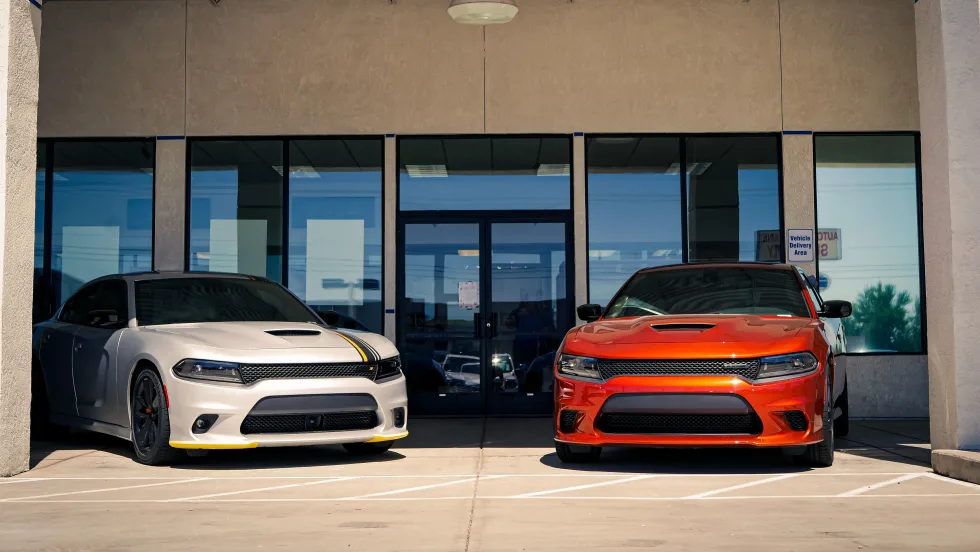
Auto Affordability Inches Up
The latest Cox Automotive and Moody’s Analytics index shows a slight increase in new-vehicle affordability despite high prices.
Read More →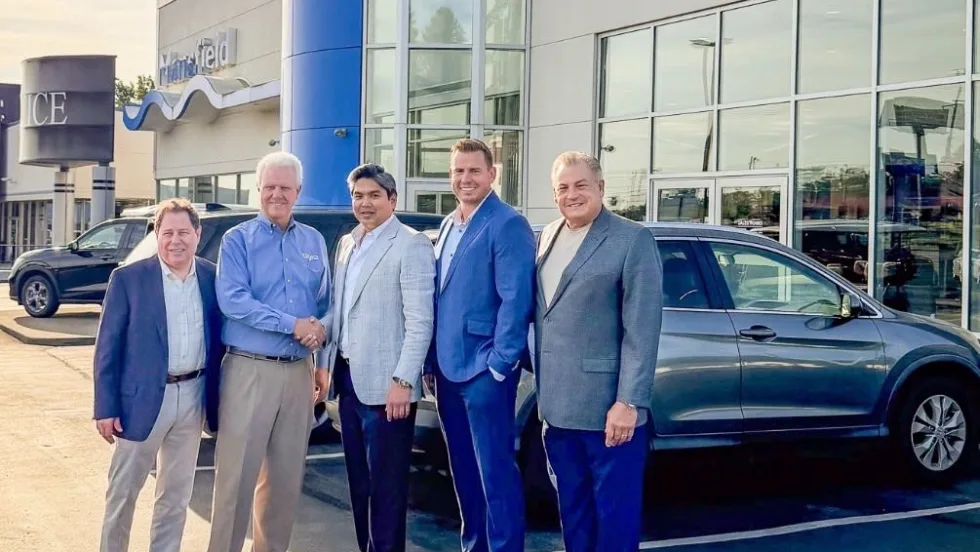
Ohio Auto Group Under New Ownership
After 79 years with the Schluter family, Mansfield Auto Group has been acquired by Missouri-based Clement Auto Group.
Read More →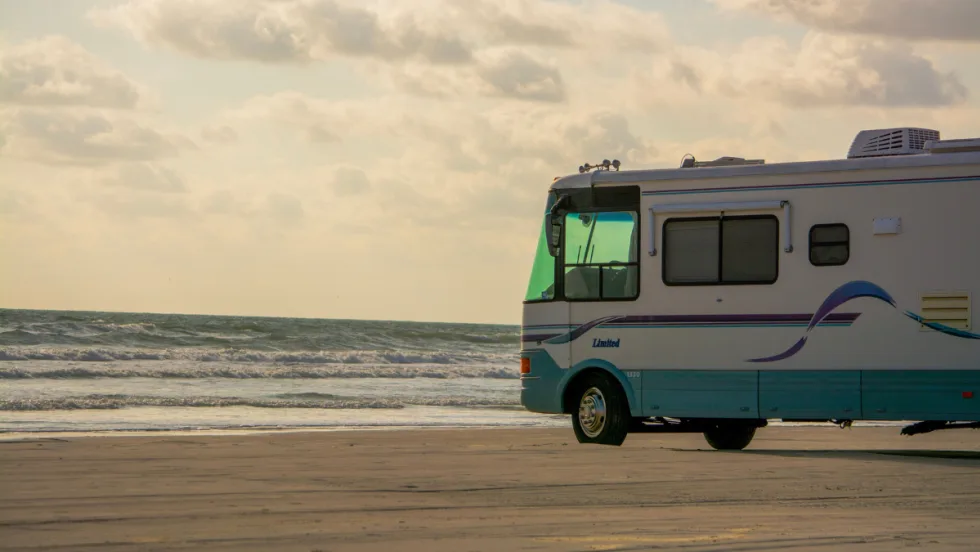
RV Group Expands Carolina Footprint
Blue Compass RV Columbia Northeast is the 13th RV dealership owned by Blue Compass in the Carolinas.
Read More →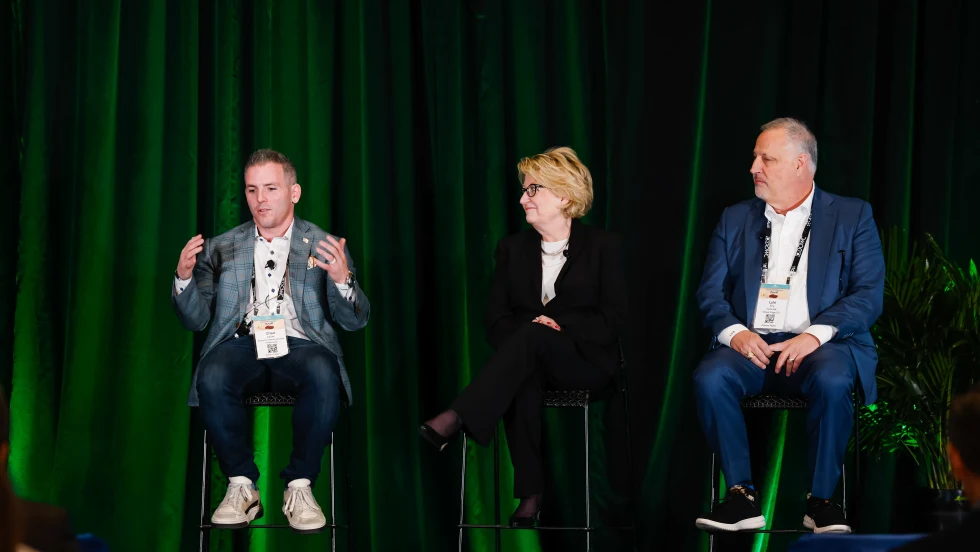
Agent Acumen
An Agent Summit panel of people who’ve been supporting auto dealers for years gave both timely and timeless advice for those starting out or mulling the prospect.
Read More →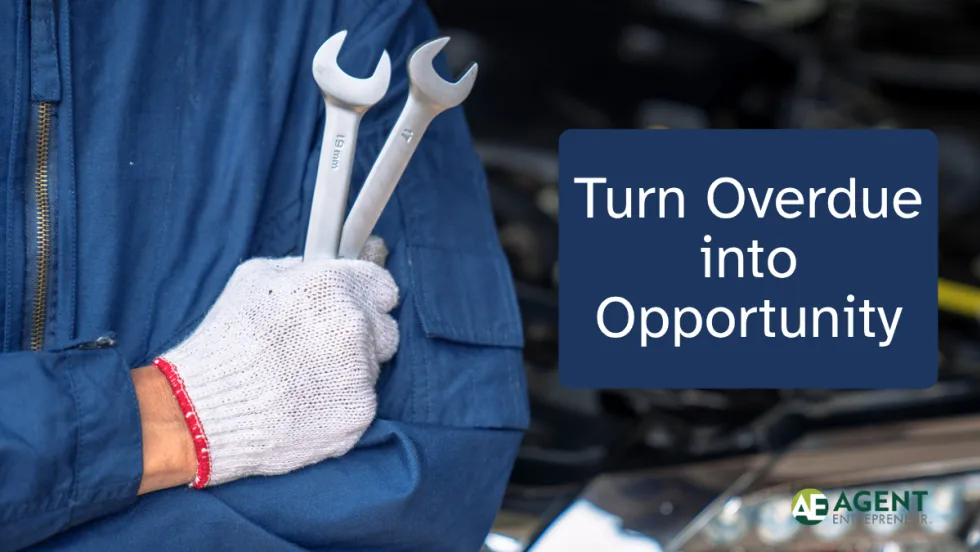
Missed Maintenance Creates Opportunity
As families get back on the road and into daily school routines, service drives have an opportunity to capture customers who are behind on recommended vehicle maintenance.
Read More →
Mitsubishi Unveils U.S. Plan
The automaker announced a strategy that includes an expanded lineup and dealership presence, along with more ‘rugged’ and electric models.
Read More →
Selling to Grow
The question of whether you should sell your agency and if so, when, is up to you. But it’s a question worth asking to ensure you keep the business on the right path for yourself, employees and clients.
Read More →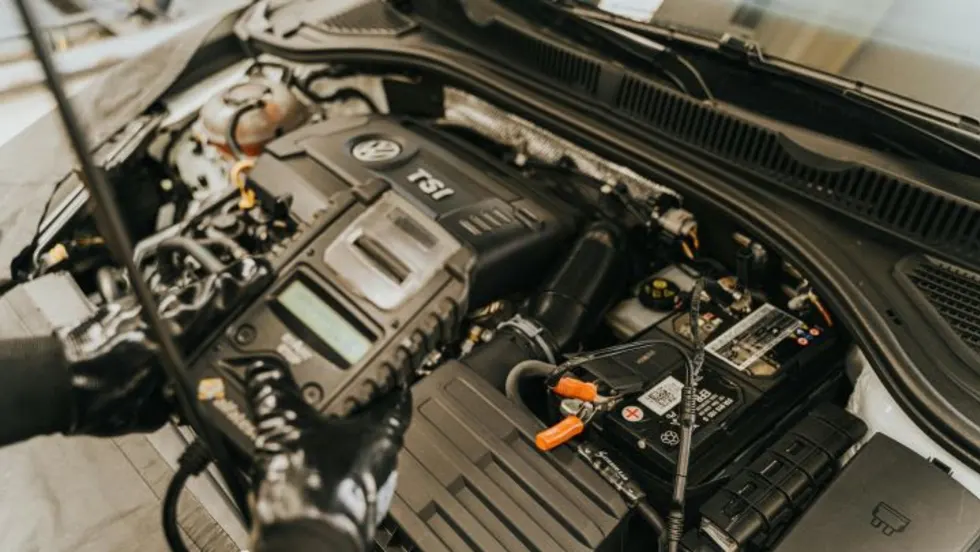
Recalled Vehicles Hit 5-Year High
Though the number of events has fallen so far this year, impacted units are up significantly. Meanwhile, regulators consider consumer notification changes.
Read More →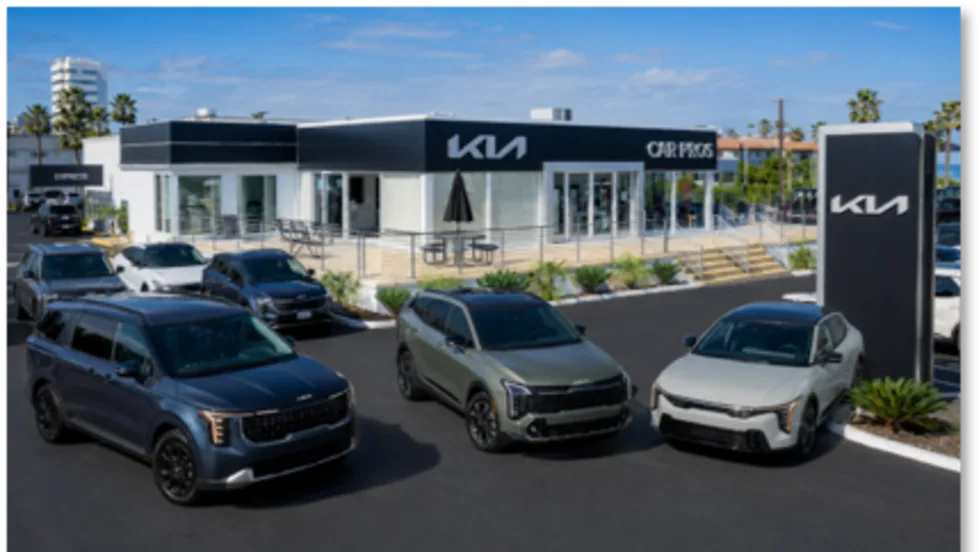
Auto Group Acquires Top-Performing Rooftop
Car Pros sold its Kia Huntington Beach location to Sutherlin Automotive Group, marking the buyer’s third location in Southern California.
Read More →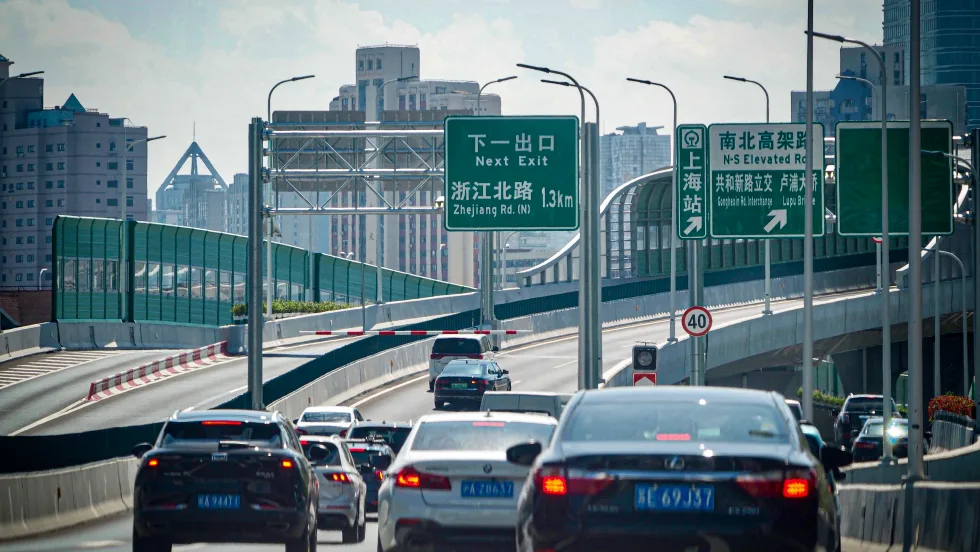
China as Pacesetter
Automotive leaders huddled on where North America stands in the global picture and how it can strengthen its position against the Asian juggernaut’s surging industry.
Read More →