



How Ford Got Back on the Fast Track to Success

PARIS — September, when this glamorous European capital is buzzing, is an exciting time to be in the City of Lights. For Ford CEO Alan Mulally, it was an especially good year, CNBC reported.
In a city where U.S. products are often treated with disdain, Ford was the toast of the annual Paris Auto Show. As the man in the driver's seat, Mulally was greeted as a rock star for engineering one of the biggest turnarounds in the auto industry’s history.
"Today Ford is in a different place,” he told a group of press and Ford executives at the Parte de Versailles exhibition hall. “(We’ve) returned to profitability faster than we had forecast."
That road to profitably has been extremely bumpy for Mulally and the iconic American company. When he took the wheel in 2006, Ford was veering badly off track - losing a staggering $17 billion that year alone. Its U.S. operations were bleeding cash. The company was struggling to absorb a string of acquisitions that included Aston Martin, Jaguar, Land Rover, Mazda and Volvo.
One of Mulally's first decisions was to bring a small group of Ford executives to the test track run by Consumer Reports, whose annual ratings influence millions of U.S. car buyers. Mulally and his team got a blunt assessment of Ford's quality.
“I wouldn't have touched a Ford vehicle eight years ago,” said David Champion, Consumer Reports’ director of automobile testing.
What followed were brutal, high-level meetings in a command center one floor below Mulally office – a place known as the Thunderbird Room. It’s where Ford’s top executives meet to review the company’s operations and flag problems. When Mulally arrived in 2006, no one dared admit anything was wrong. That would soon change.
At a meeting to review the launch of a new model crossover SUV, the Edge, Mark Fields, head of Ford’s Americas division, had some bad news. There was a problem with one of the hydraulic parts that would force a delay of the launch for a couple of weeks.
The room “got deathly quiet,” Mulally recalls. And then the company CEO started applauding.
It was a defining moment — a small gesture signaling an enormous change. Almost immediately, other executives felt free to admit they, too, had problems.
Mulally's solution was a plan he called "One Ford.” To fix the company, he would slash Ford's North American workforce by 40 percent and sell its subsidiaries. Ford would accelerate development of new products, redesigning the Taurus, Focus and Fiesta models, while cutting dozens of older models, including the Crown Victoria and jettisoning the entire Mercury brand.
"You just can't be world class on 97 different things,” he said. “Plus, we had different production systems for each of those brands and each of those models."
Mulally's plan was ambitious and would cost far more money than the company had on hand. So in November 2006, Ford management rolled the dice and mortgaged nearly every asset the company owned -- even the signature blue oval -- to borrow the cash.
"I'll never forget walking into the Waldorf Astoria - 520 bankers all looking at their cufflinks and listening to our plan to create a viable Ford.” He said. “And within two weeks we had raised $23.5 billion.”
It was a colossal gamble. But two years later, when the economy crashed in 2008 and plunging car sales left showrooms empty, Ford had enough cash to ride out the storm. General Motors and Chrysler staggered to Washington to plead their case to Congress for taxpayer-funded lifelines. Mulally went to the Capitol to support his competitors -- because if GM and Chrysler went out of business, dozens of suppliers might follow, dragging Ford down with them.
The hearings, he later told a meeting of Ford car dealers, were “surreal.” Both Chrysler’s then-CEO Robert Nardelli and General Motors then-CEO Rick Wagoner enthusiastically agreed to accept a dollar-a-year salaries in exchange for the bailout.
"So they got to me and they said, ‘What about you, Mr. Mulally, would you work for a dollar a year?’” he recalled. “I thought about it and I said, ‘No, I think I'm OK where I am.’"
Refusing that government bailout delivered Ford an unexpected and priceless advantage that dealers saw right away. Riding that wave of good will, Ford rebounded.
After bottoming in early '09, sales took off. By that summer, Ford was posting sales gains among the best in the industry. Customers returning to Ford showrooms found something else — improved quality.
By 2010, Consumer Reports — which had pummeled Ford a few years earlier — had elevated several models near the top of its lists.
For now, Mulally is on a roll. But it's not something he can take for granted.
The United Auto Workers may want to reclaim concessions they made when the car industry tanked. And sooner or later, Ford will face new competition from the more than 40 auto manufacturers in China.
But having steered the company back from the abyss, Ford's CEO has a moment to savor.
More Industry
Nebraska Rooftop Changes Hands
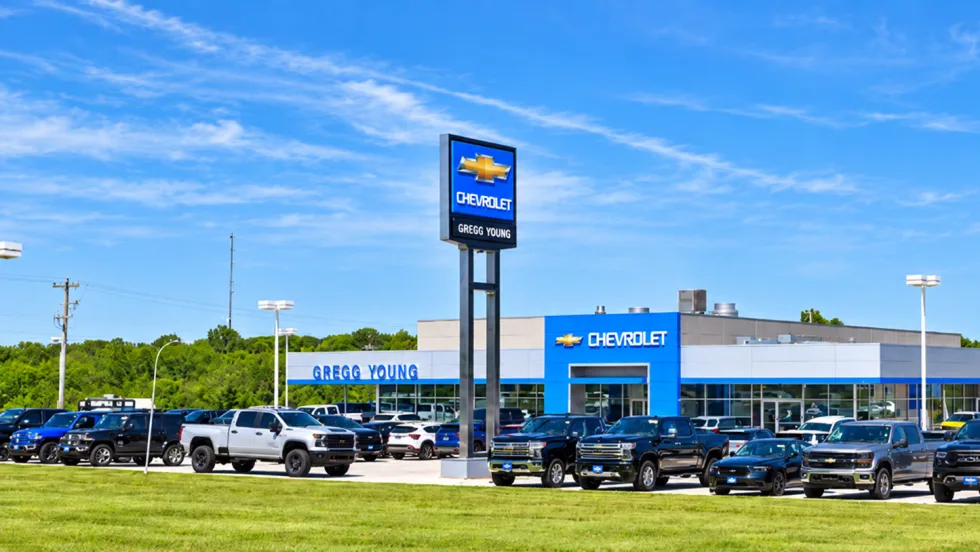
The Gregg Young Automotive Group has sold its second dealership to Janssen Auto Group, both in Plattsmouth, Neb.
Read More →
Penske Auto Group Deal a Record
The deal to take the dealership and transportation services company private sets a new pace for industry buy-sell transactions.
Read More →
War Toll a Damper on Used Auto Prices
Cox Automotive found wholesale depreciation to be elevated in September amid high fuel prices and this year's unusual hurricane season.
Read More →
Bridge the Maintenance Gap
With many drivers missing recommended maintenance, service departments offering transparency and efficiency have a better chance of reaching financially strained consumers.
Read More →
California Store Has New Owner
The longtime dealership in the northern part of the state is known for robust fleet sales and has served the state capital for 115 years.
Read More →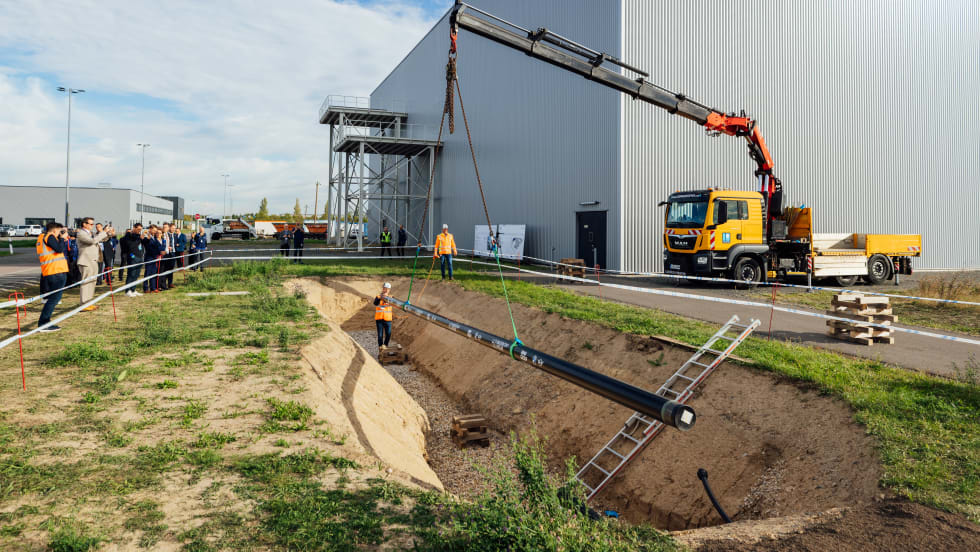
BMW Plant Pursues Cleaner Energy
BMW Group Plant Leipzig has utilized hydrogen to help power its production since 2013, but a new pipeline is planned to take it to another level.
Read More →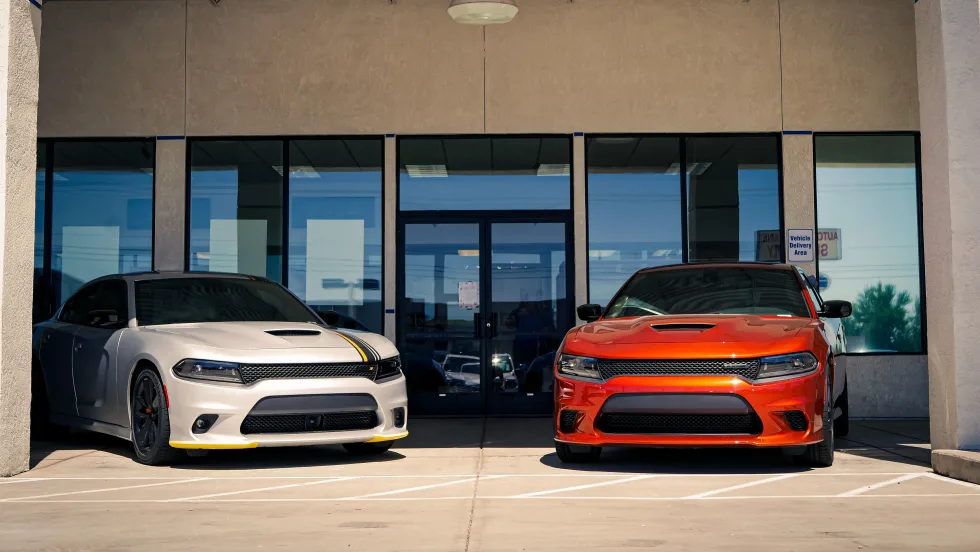
Auto Affordability Inches Up
The latest Cox Automotive and Moody’s Analytics index shows a slight increase in new-vehicle affordability despite high prices.
Read More →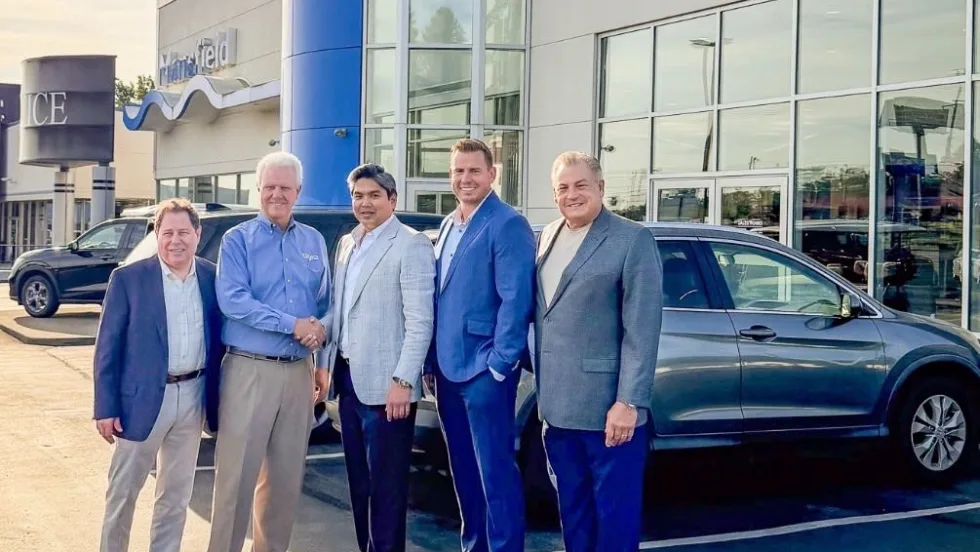
Ohio Auto Group Under New Ownership
After 79 years with the Schluter family, Mansfield Auto Group has been acquired by Missouri-based Clement Auto Group.
Read More →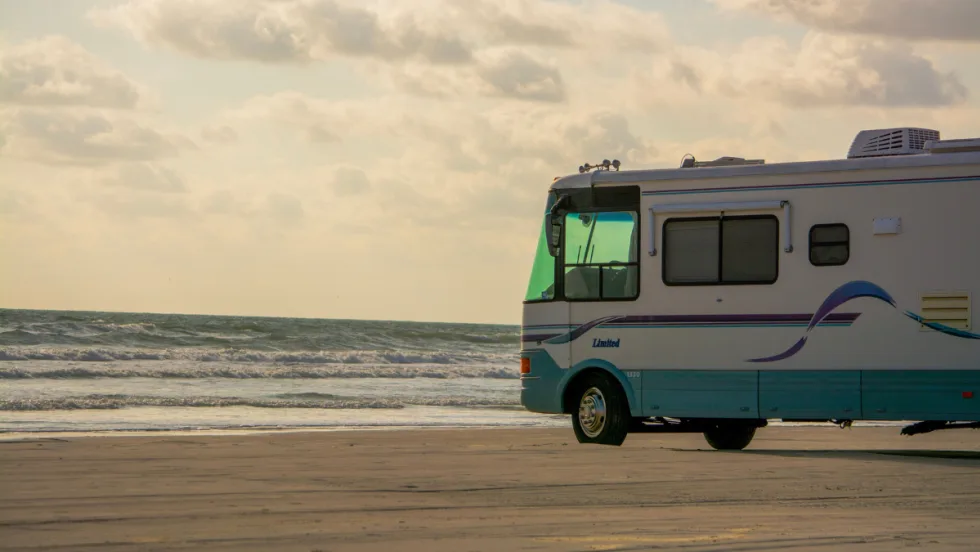
RV Group Expands Carolina Footprint
Blue Compass RV Columbia Northeast is the 13th RV dealership owned by Blue Compass in the Carolinas.
Read More →
Agent Acumen
An Agent Summit panel of people who’ve been supporting auto dealers for years gave both timely and timeless advice for those starting out or mulling the prospect.
Read More →