



House May Vote on Pared Auto Safety Bill

WASHINGTON — The U.S. House may consider a slimmed-down auto safety bill this week, despite concerns raised by automakers.
A comprehensive overhaul of the nation's auto safety system, introduced in the wake of Toyota Motor Corp.'s sudden acceleration woes, has been stalled for months in Congress, reported The Detroit News.
A pared-back auto safety bill sponsored by Rep. Bobby Rush, D-Ill., was introduced in Congress on Monday and could be voted on as early as this week under so-called fast-track rules used for generally noncontroversial bills.
The fast-track rules require two-thirds of House members to vote in favor.
Automakers are bracing for a vote on the bill.
They have raised concerns about a provision to make more data available to the public from the government's Early Warning Database designed to help regulators stop safety threats earlier.
The Alliance of Automobile Manufacturers, a trade group representing Detroit's Big Three automakers, Toyota Motor Corp. and eight others, circulated a note on Capitol Hill urging lawmakers to oppose the measure.
The bill would "overturn a 10-year-old regulation regarding confidential business information that has been upheld by a federal court," the e-mail said. "If there are legitimate public policy reasons to overturn the federal court's verdict, they should be debated in the sunshine rather than inserted quietly into a bill in the final hours of the 111th Congress."
Mike Stanton, president and CEO of the Association of International Automakers, said his group has concerns about the early warning provision as well.
House Democratic leaders haven't committed to calling a vote on the bill. The concerns raised by automakers could force changes to the bill or lead the House to scrap a vote before it adjourns for the year in the coming week or so.
The rest of the bill is largely noncontroversial — a fact automakers noted.
"Even though automakers are on the record supporting some of the individual measures included in H.R. 6518, we have to acknowledge they do nothing to address issues related to unintended acceleration and therefore should be considered as part of a comprehensive reauthorization of highway safety programs," the e-mail from Alliance of Automobile Manufacturers said.
The bill would require the Transportation Department to study the feasibility of more widespread use of in-vehicle technology to prevent alcohol-impaired driving and would require the National Highway Traffic Safety Administration to set rules to prevent rollovers in the largest vehicles.
The aim of the in-vehicle detection system is to prevent drunken drivers from starting their cars. In some states, judges may require ignition interlocks for convicted drunk drivers.
Automakers have done research on more advanced systems that would sample a driver's breath without requiring them to blow into a device.
The bill would require NHTSA "to explore the feasibility and the potential benefits of, and the public policy challenges associated with, more widespread deployment of in-vehicle technology to prevent alcohol-impaired driving."
It also would create a hotline for employees of automakers, dealers and mechanics to contact NHTSA directly and confidentially regarding potential safety defects.
At the same time, Sen. Jay Rockefeller, D-W.Va., has been trying to overcome some objections to his stalled safety bill.
Today, a coalition of consumer, health and safety groups that includes the Consumers Union, the Consumer Federation of America and Public Citizen urged Congress to act in the wake of Toyota's latest recall — its 17th safety recall of the year. The automaker has now recalled 6.75 million vehicles this year. That is a record for the company.
The groups said passage is "an urgent national priority before any more needless deaths and injuries occur as a result of defective motor vehicles. The American public cannot wait any longer."
More Industry

California Calling? What's Up With the State's New CARS Act?
Should auto dealers outside of California be concerned about its new price-transparency law? Yes, and you can guide them in the right direction.
Read More →
Tennessee Transaction Latest in Buy-Sell Flurry
Four stores move from a longtime local family business to one of the country’s biggest automotive groups as part of the industry’s continued consolidation.
Read More →
SUV Joins Safety Rankings
Thanks to a seat belt redesign, the Nissan Kicks has earned a Top Safety Pick award from the Insurance Institute for Highway Safety.
Read More →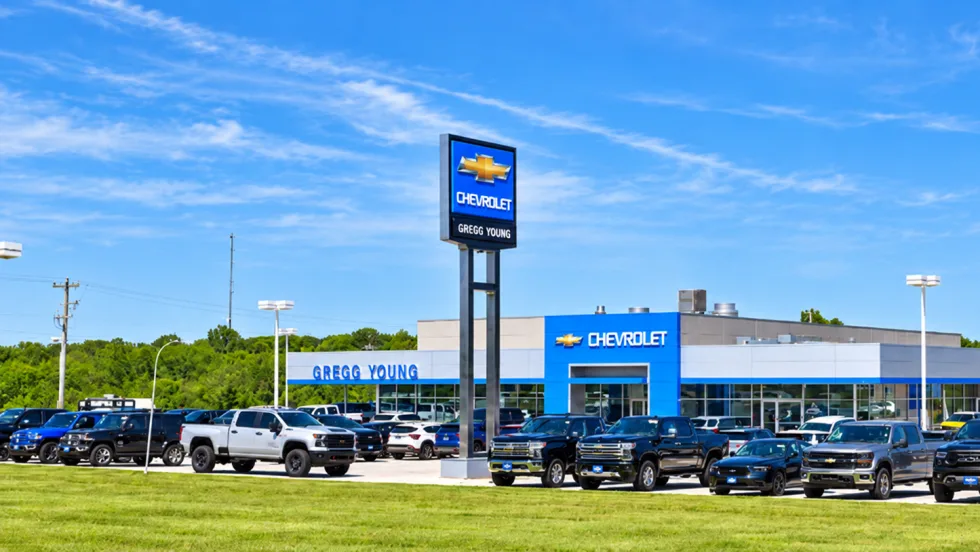
Nebraska Rooftop Changes Hands
The Gregg Young Automotive Group has sold its second dealership to Janssen Auto Group, both in Plattsmouth, Neb.
Read More →
Penske Auto Group Deal a Record
The deal to take the dealership and transportation services company private sets a new pace for industry buy-sell transactions.
Read More →
War Toll a Damper on Used Auto Prices
Cox Automotive found wholesale depreciation to be elevated in September amid high fuel prices and this year's unusual hurricane season.
Read More →
Bridge the Maintenance Gap
With many drivers missing recommended maintenance, service departments offering transparency and efficiency have a better chance of reaching financially strained consumers.
Read More →
California Store Has New Owner
The longtime dealership in the northern part of the state is known for robust fleet sales and has served the state capital for 115 years.
Read More →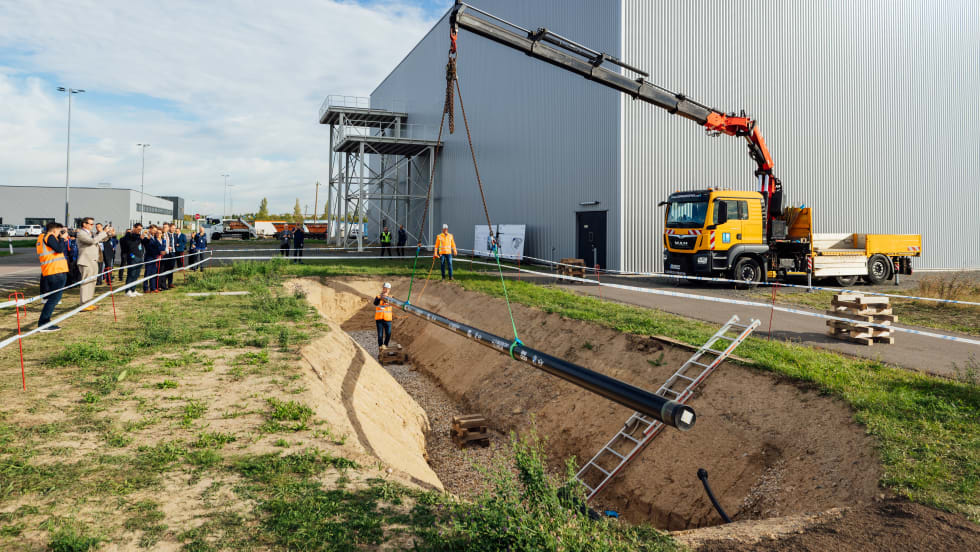
BMW Plant Pursues Cleaner Energy
BMW Group Plant Leipzig has utilized hydrogen to help power its production since 2013, but a new pipeline is planned to take it to another level.
Read More →
Auto Affordability Inches Up
The latest Cox Automotive and Moody’s Analytics index shows a slight increase in new-vehicle affordability despite high prices.
Read More →