



Honda Chides Rivals Using Fleet Sales, Subprime Lending
Honda Motor Co., losing share in the growing U.S. auto market, chided competitors for using low-margin fleet sales and over-reliance on subprime lending to boost sales, reported Bloomberg. Excluding rental and business-fleet sales, which Honda eschews, Accord topped Toyota Motor Corp.’s Camry, the U.S. passenger-car volume leader, with 181,939 deliveries in the first half, Honda ... Read More »

Honda Motor Co., losing share in the growing U.S. auto market, chided competitors for using low-margin fleet sales and over-reliance on subprime lending to boost sales, reported Bloomberg.
Excluding rental and business-fleet sales, which Honda eschews, Accord topped Toyota Motor Corp.’s Camry, the U.S. passenger-car volume leader, with 181,939 deliveries in the first half, Honda said, citing IHS Automotive data. Camry retail sales were 178,183, according to IHS’s Polk unit. Honda, which doesn’t have a fleet sales division, also isn’t using subprime lending or loans with durations as long as seven years to boost business, John Mendel, executive vice president of U.S. sales, said yesterday on a conference call.
“In addition to a heavy reliance on fleet sales to boost volumes, we are seeing some of our competitors adopt short-term tactics to stoke sales, like big jumps in subprime lending and 72-month terms,” Mendel said, without naming specific companies. “We have no desire to go there.”
Honda, fifth in U.S. volume, had a 1.3 percent drop in sales of Honda and Acura brand autos this year through July, while industrywide deliveries expanded 5 percent. The Tokyo-based company attributes the slowdown to the delayed release of its redesigned Honda Fit hatchback and Acura TLX sedan, both of which were due in the first half of 2014.
The company’s Civic compact and CR-V sport-utility vehicle also are the retail sales leaders in their segments.
Honda avoids large-scale fleet sales as a long-term strategy to maintain resale values for its models that rank among the industry’s highest.
‘Dark Underbelly’
“We probably should care and differentiate between retail and overall sales, because retail sales are generally much more lucrative,” said Jack Nerad, senior analyst for Kelley Blue Book. “That’s why Honda is so adamant about this.”
Rising incentives, fleet sales and ever longer loans are the “dark underbelly” of the U.S. auto sales expansion this year, Nerad said.
Industrywide incentives averaged $2,883 per vehicle in July, up 13 percent from a year earlier, according to Autodata Corp. Honda spent an average of $1,834 per vehicle, up 3.7 percent from a year earlier, while Detroit-based General Motors Co., Ford Motor Co. and Fiat SpA’s Chrysler Group each offered customers at least $3,400 per vehicle. Per-vehicle spending for Toyota averaged $2,188 in July and Nissan Motor Co., which has a goal of outselling Honda in the U.S., offered $2,891, according to Woodcliff Lake, New Jersey-based Autodata Corp.
2014 Goal
Along with Accord and Civic topping Toyota’s Camry and Corolla as the best-selling cars in their categories to individual buyers, Honda’s CR-V sport-utility vehicle ranks as the retail leader among SUVs and has the most total sales of any SUV in the U.S. for the 10 years through June, the company said.
Even with the slow start that pulled down Honda’s market share to 9.1 percent through July from 9.7 percent a year earlier, the company will post its best-ever U.S. sales in 2014, Mendel said in a phone interview. Combined Honda and Acura auto sales peaked at 1,551,542 in 2007, before the U.S. recession hit.
“We’ll beat that by at least one,” he said.
Honda’s U.S. sales unit is based in Torrance, California. The company’s American depositary receipts fell 0.1 percent to $34.08 at the close in New York yesterday. They have declined 18 percent this year before today.
More Industry
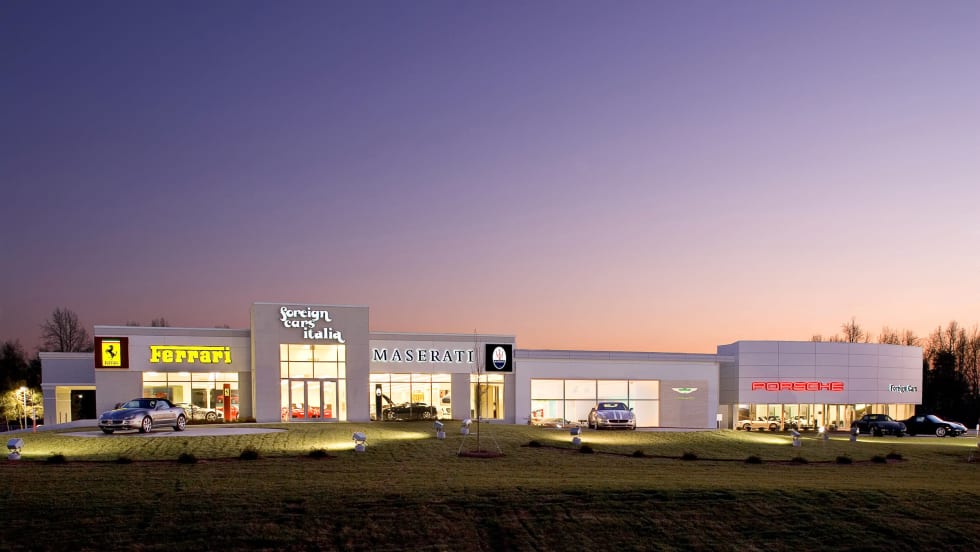
Luxe N.C. Dealerships Change Hands
A collection of Italian and English brand franchises were handed off to the owner’s friend in the business and include the Carolinas’ only Ferrari retail stores.
Read More →
Exposure Drives Interest in Chinese Cars
At a recent demonstration, consumers had the chance to ride in a Chinese-branded vehicle, a firsthand experience that improved their perceptions and purchase intent.
Read More →
Automotive Consumers Sink Further in Debt
Most financing metrics hit records in the second quarter as more buyers locked themselves into long terms and high monthly payments.
Read More →
Agent Advocate
Rob Mancuso, who comes from a long line of auto dealers, values general agents’ place in the industry and makes a case for them taking an even bigger seat at the table.
Read More →
Driving Under Distraction
Though consumers gave higher marks to new vehicles in JD Power’s most recent initial-quality poll, high-tech interference worsened, pointing to craving for simplicity.
Read More →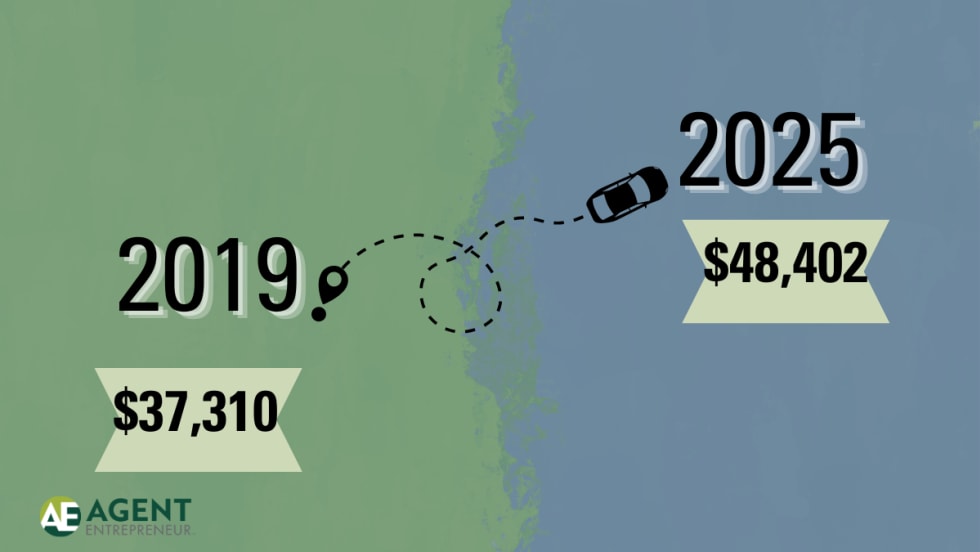
Affordable New Cars a Thing of the Past
More than one out of five new vehicles sell for more than $60,000, according to Edmunds. That's up 7% compared to prepandemic 2019.
Read More →
State Follows Federal Warning on Auto Ads
The Massachusetts attorney general cautioned the state’s automotive dealers to be upfront with the consuming public about their vehicle prices or risk punishment.
Read More →
Consumer Outlook on the Rise
Younger generations are feeling more positive about their financial futures and current affordability pressures than older generations, according to recent TransUnion data.
Read More →
Pennsylvania Dealership Under New Retailers
The sale of the Chrysler Dodge Jeep Ram store puts a family auto group on a leaner path as first-time dealers take the helm.
Read More →
Battery Storage Takes Priority Over EVs
U.S. automakers are prioritizing battery energy stationary storage over electric-vehicle production as the consumer demand for EVs lags the rest of the world.
Read More →