



Honda and Sony Corp. Ink Deal for High Value EV Venture
Honda Motor Co. and Sony Corp. have entered agreement to set up a “high-value-added” electric vehicle venture under the name Sony Honda Mobility Inc.

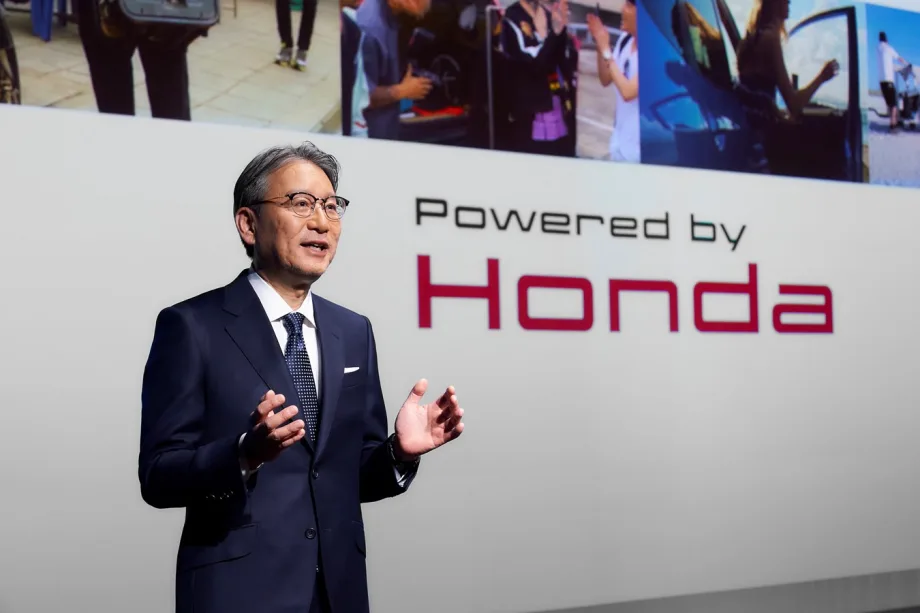
Honda CEO Toshihiro Mibe
Honda
Honda Motor Co. and Sony Corp. have entered agreement to set up a “high-value-added” electric vehicle venture this year under the name Sony Honda Mobility Inc. The partnership is expected to deliver a “new generation of mobility and services.”
The joint venture teams two iconic Japanese brands from two of the country’s most important business industries: automotive and high technology.
The companies will establish the 50-50 company yet this year with the goal of starting EV sales and providing mobility services in 2025, the announcement reported. The deal is subject to regulatory approval.
Yasuhide Mizuno, currently a senior managing officer at Honda, will head the new company as CEO. Mizuno was formerly Honda’s chief officer for automobile operations before being tapped to head the Honda-Sony JV Prep Office on June 1.
Izumi Kawanishi, a Sony executive vice president, will assume the role of COO.
Sony Honda Mobility will be based in Tokyo. The venture will marry Honda’s expertise in engineering and manufacturing vehicles, and expertise in after-sales service, to Sony’s skills in imaging, sensing, telecommunications and entertainment, the companies said.
The agreement formalizes a memorandum of understanding that Honda and Sony announced in March. The new company is expected to sell its vehicles in the U.S., Japan and Europe.
Honda CEO Toshihiro Mibe reports the initial enterprise will be small but will allow the company to test new business models.
“At the new company, we will strive to create new value through the fusion brought about by the combination of our different industries,” Mibe said in a joint statement.
Honda has announced plans to invest 5 trillion yen ($37.16 billion) over the next 10 years in electrification as it rolls out 30 EVs globally and builds production capacity for 2 million EVs annually by 2030.
Honda plans to be ready to supply 800,000 EVs to North America by 2030.
Originally posted on Auto Dealer Today
More Industry
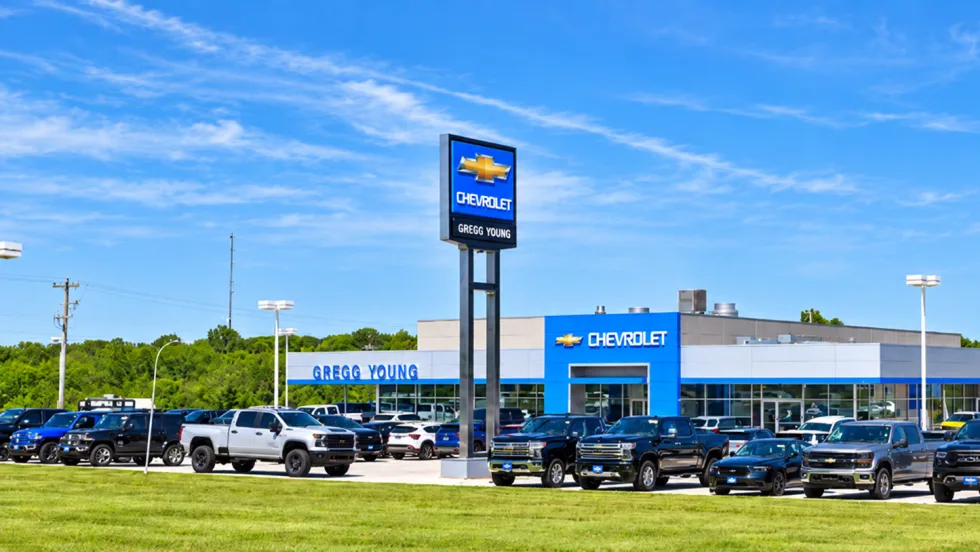
Nebraska Rooftop Changes Hands
The Gregg Young Automotive Group has sold its second dealership to Janssen Auto Group, both in Plattsmouth, Neb.
Read More →
Penske Auto Group Deal a Record
The deal to take the dealership and transportation services company private sets a new pace for industry buy-sell transactions.
Read More →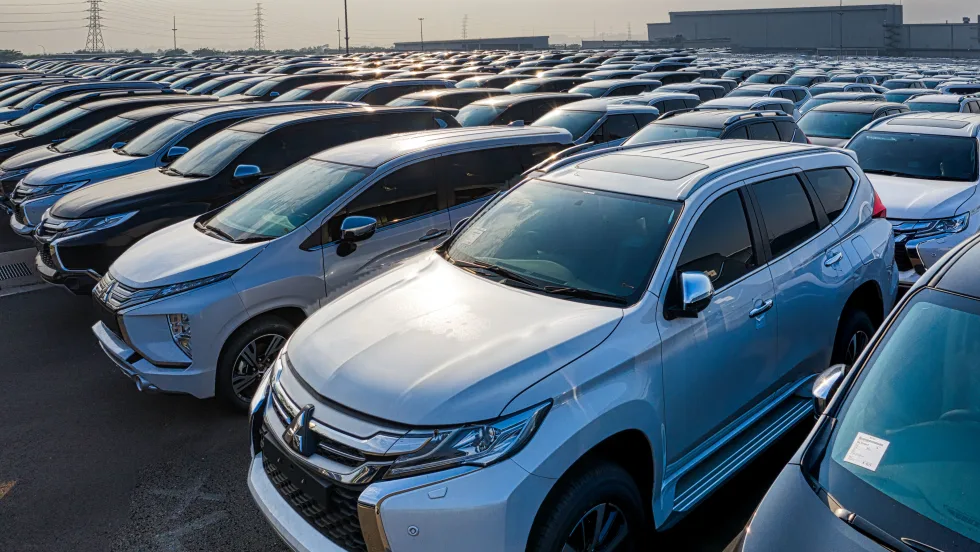
War Toll a Damper on Used Auto Prices
Cox Automotive found wholesale depreciation to be elevated in September amid high fuel prices and this year's unusual hurricane season.
Read More →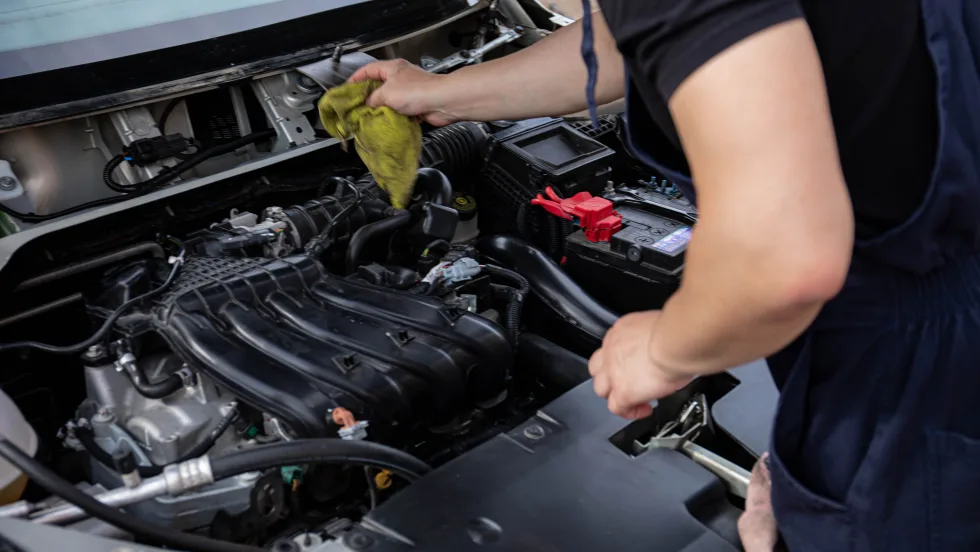
Bridge the Maintenance Gap
With many drivers missing recommended maintenance, service departments offering transparency and efficiency have a better chance of reaching financially strained consumers.
Read More →
California Store Has New Owner
The longtime dealership in the northern part of the state is known for robust fleet sales and has served the state capital for 115 years.
Read More →
BMW Plant Pursues Cleaner Energy
BMW Group Plant Leipzig has utilized hydrogen to help power its production since 2013, but a new pipeline is planned to take it to another level.
Read More →
Auto Affordability Inches Up
The latest Cox Automotive and Moody’s Analytics index shows a slight increase in new-vehicle affordability despite high prices.
Read More →
Ohio Auto Group Under New Ownership
After 79 years with the Schluter family, Mansfield Auto Group has been acquired by Missouri-based Clement Auto Group.
Read More →
RV Group Expands Carolina Footprint
Blue Compass RV Columbia Northeast is the 13th RV dealership owned by Blue Compass in the Carolinas.
Read More →
Agent Acumen
An Agent Summit panel of people who’ve been supporting auto dealers for years gave both timely and timeless advice for those starting out or mulling the prospect.
Read More →