



Halts On Japanese Auto Output Are Extended

TOKYO - Toyota Motor Corp. and other major Japanese auto makers extended some halts on domestic assembly into next week, but other auto factories began starting back up after last week's earthquake.
The global auto industry is monitoring what is happening in Japan since any major disruption in part shipments can shut down plants elsewhere.
Toyota said all vehicle assembly in Japan will remain suspended until Tuesday as it works to get parts and while some employees remain unable to get to work, reported The Wall Street Journal.
But in a sign that operations might soon return to normal, Toyota said it would resume production Thursday at seven Japanese plants to supply domestic markets with replacement parts. On Monday, the plants will start production to supply Toyota's overseas markets with parts. The world's largest auto maker by sales has 12 factories in Japan.
Most of Japan's auto makers halted domestic production after Friday's earthquake and tsunami as they grappled with supply shortages, damaged facilities and power outages. Uncertainty about the ability to get supplies and continued disruptions from the disaster still are delaying some manufacturers from resuming full production.
Suzuki Motor Corp. said it will continue to suspend production until Monday. Honda Motor Co., Mazda Motor Corp. and Isuzu Motors Ltd. said their domestic plants will remain closed through at least Sunday.
Nissan Motor Co., however, said it will resume production Thursday and Friday at two of its Japanese auto-assembly plants by using remaining parts. Continued operation will depend on the ability to get additional parts, Nissan said.
Operations at three other Nissan vehicle-assembly plants in Japan, including a damaged plant located in Tochigi close to the quake-struck area, will be halted until Sunday. The car maker said it expects to take longer for its Iwaki engine plant in Fukushima Prefecture, which continued to feel earthquake aftershocks, to restore operations.
The company's facilities in the Americas were expected to continue operating.
Mitsubishi Motors Corp. resumed domestic production Wednesday and planned to operate its three plants Thursday. Production after Friday will depend on its ability to procure sufficient parts.
Bridgestone Corp.'s Tokyo factory resumed production Tuesday. But a fire Wednesday at the tire maker's plant in Nasu in northern Japan threatened to delay the factory's restart. The fire, the cause of which hadn't been determined, was extinguished in less than an hour. The plant, as well as factories in Tochigi and Kuroiso, had been expected to open by Wednesday night.
The factories produce a variety of car, truck, bus and motorcycle tires and shipments were expected to begin Friday. Production of bus and truck tires were a priority because they will be in large demand in the devastated areas.
The auto industry operates on a just-in-time delivery basis, with parts arriving at plants just hours before they are needed on the production line. The approach leaves auto makers vulnerable to disruptions in parts delivery.
Toyota dealerships in the U.S. have expressed concerns about the supply of Prius hybrids, which are made in Japan. The recent surge in gasoline prices has driven demand for the car in the U.S., and some dealers were running out of stock.
The Automotive Components Manufacturers Association of India said that India's auto-parts makers usually stock critical components for two to four weeks' requirements and that the industry body was hopeful of supply normalizing before that.
More Industry

Penske Auto Group Deal a Record
The deal to take the dealership and transportation services company private sets a new pace for industry buy-sell transactions.
Read More →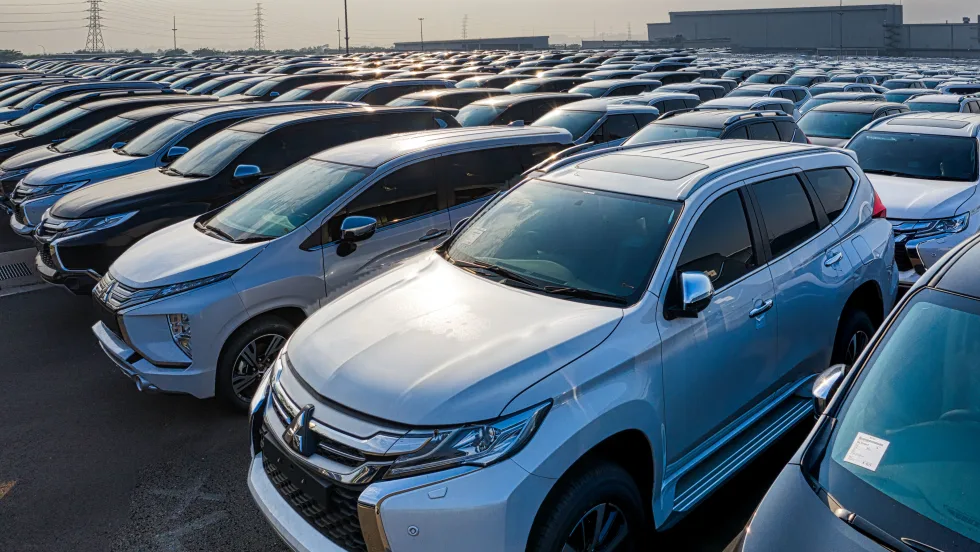
War Toll a Damper on Used Auto Prices
Cox Automotive found wholesale depreciation to be elevated in September amid high fuel prices and this year's unusual hurricane season.
Read More →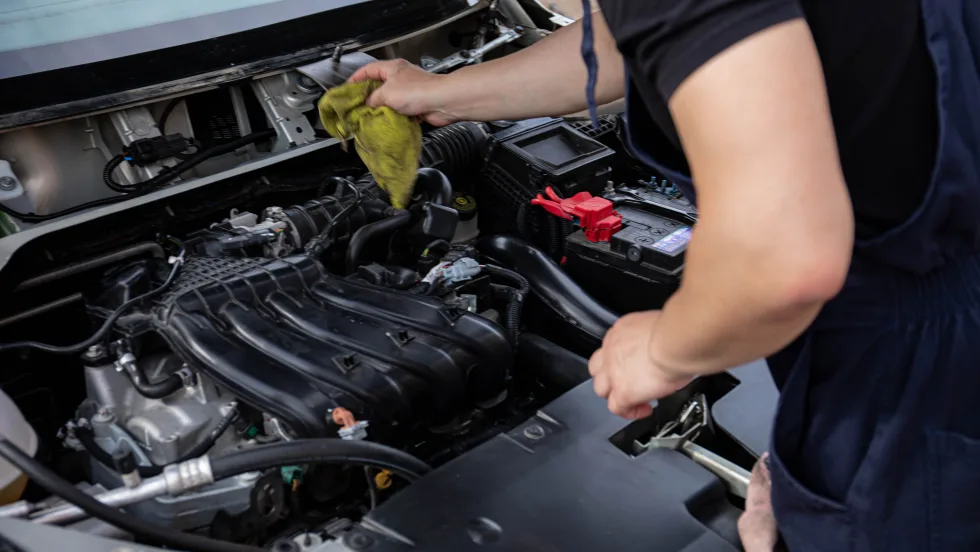
Bridge the Maintenance Gap
With many drivers missing recommended maintenance, service departments offering transparency and efficiency have a better chance of reaching financially strained consumers.
Read More →
California Store Has New Owner
The longtime dealership in the northern part of the state is known for robust fleet sales and has served the state capital for 115 years.
Read More →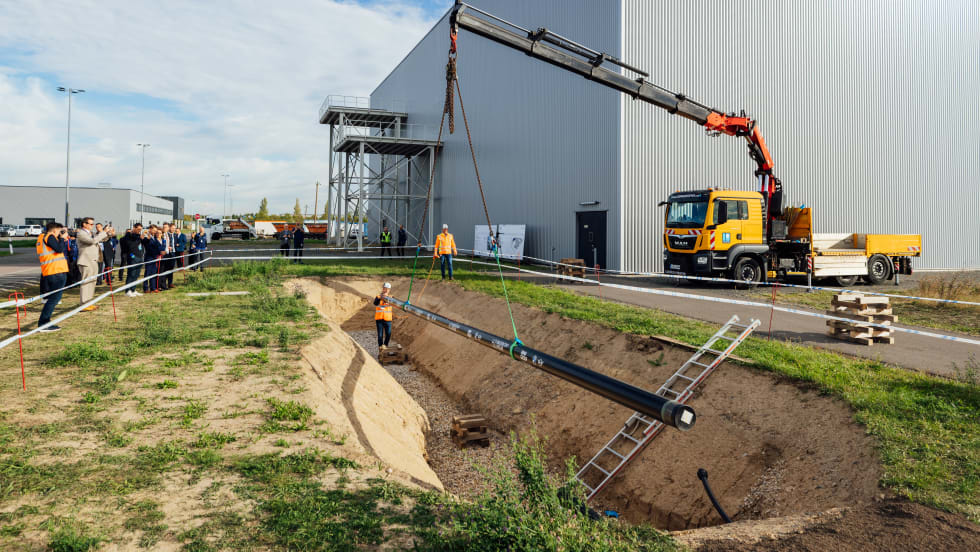
BMW Plant Pursues Cleaner Energy
BMW Group Plant Leipzig has utilized hydrogen to help power its production since 2013, but a new pipeline is planned to take it to another level.
Read More →
Auto Affordability Inches Up
The latest Cox Automotive and Moody’s Analytics index shows a slight increase in new-vehicle affordability despite high prices.
Read More →
Ohio Auto Group Under New Ownership
After 79 years with the Schluter family, Mansfield Auto Group has been acquired by Missouri-based Clement Auto Group.
Read More →
RV Group Expands Carolina Footprint
Blue Compass RV Columbia Northeast is the 13th RV dealership owned by Blue Compass in the Carolinas.
Read More →
Agent Acumen
An Agent Summit panel of people who’ve been supporting auto dealers for years gave both timely and timeless advice for those starting out or mulling the prospect.
Read More →
Missed Maintenance Creates Opportunity
As families get back on the road and into daily school routines, service drives have an opportunity to capture customers who are behind on recommended vehicle maintenance.
Read More →